
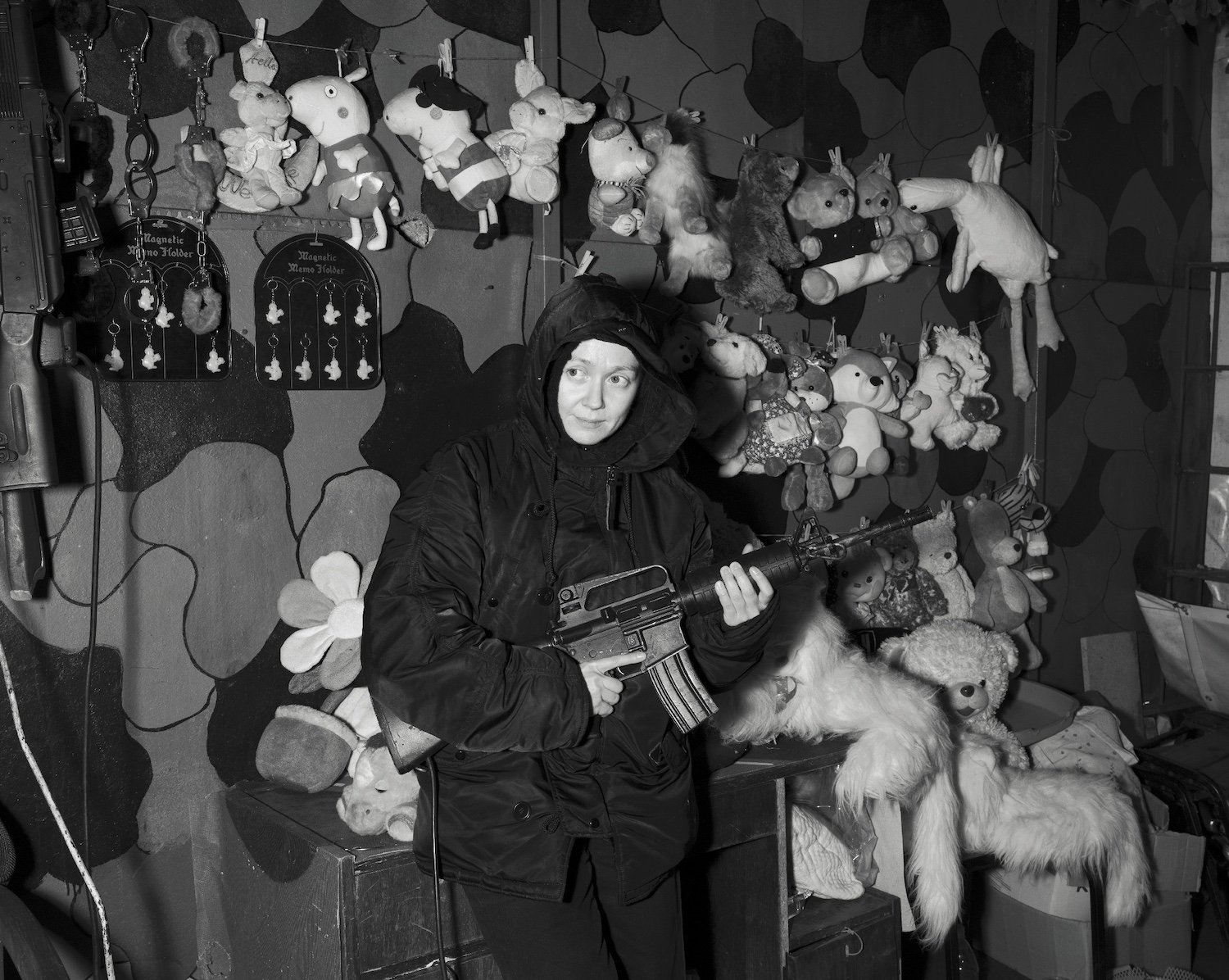
Beyond the frontline: Aria Shahrokhshahi’s journey through Ukraine
Forged over seven years living and volunteering in Ukraine, Wet Ground by British-Iranian artist Aria Shahrokhshahi cuts straight through and beyond the frontlines of Russia’s full-scale invasion. Published by Loose Joints, Shahrokhshahi’s introspective black and white photographs reveal the continuities of everyday life, vibrant subcultures and the ever-shifting identities of those weathering relentless violence and precarious futures. In conversation with Nathan Leigh Taylor, he reflects on his time as a humanitarian volunteer, surviving a missile strike and the challenge of expressing experiences beyond the familiar language of war photography.
Aria Shahrokhshahi | Interview | 28 May 2026
Join us on Patreon
Nathan Leigh Taylor: Wet Ground has been described as being made ‘from inside the war rather than in response to it.’ How did living and volunteering in Ukraine shape the way you photographed?
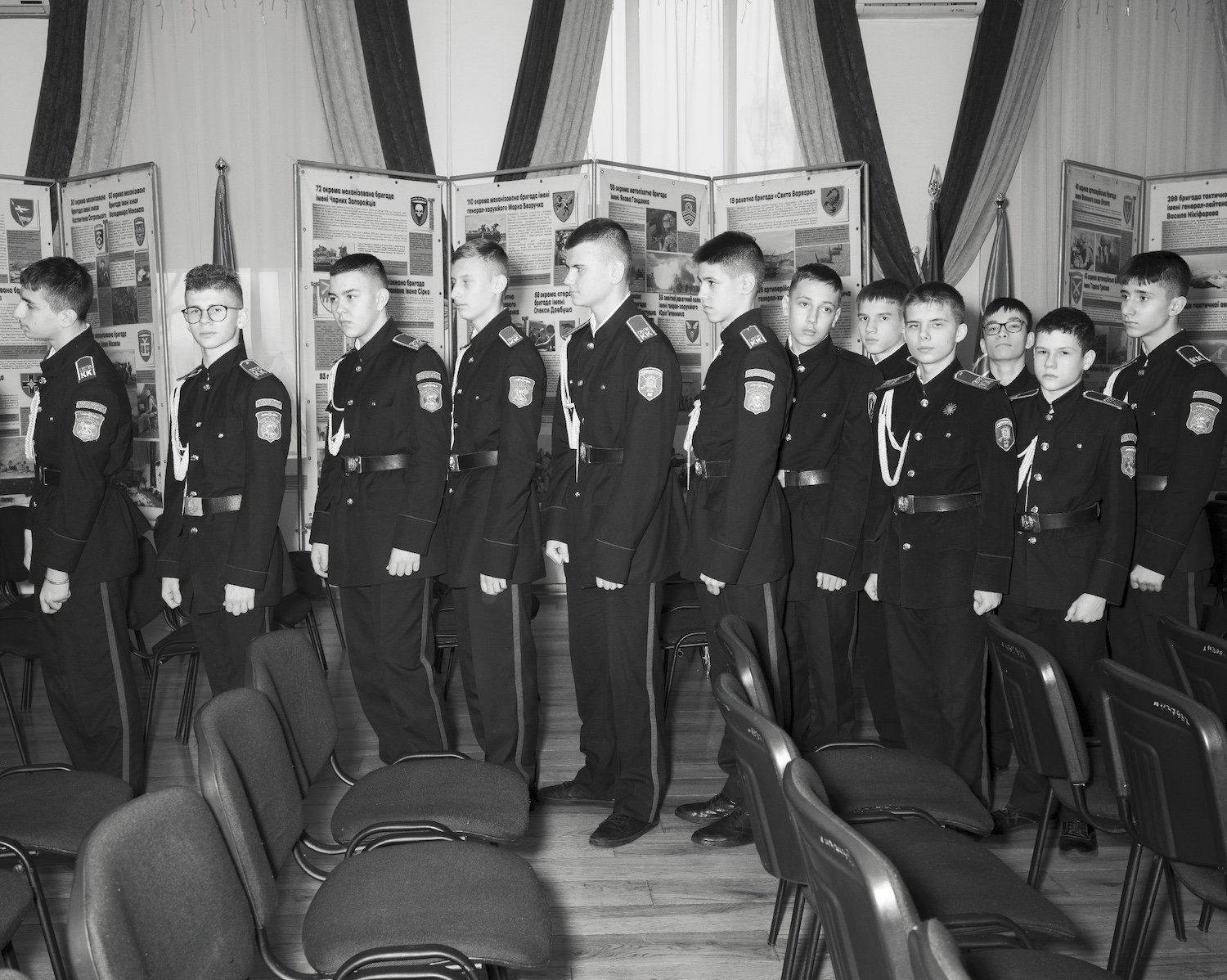
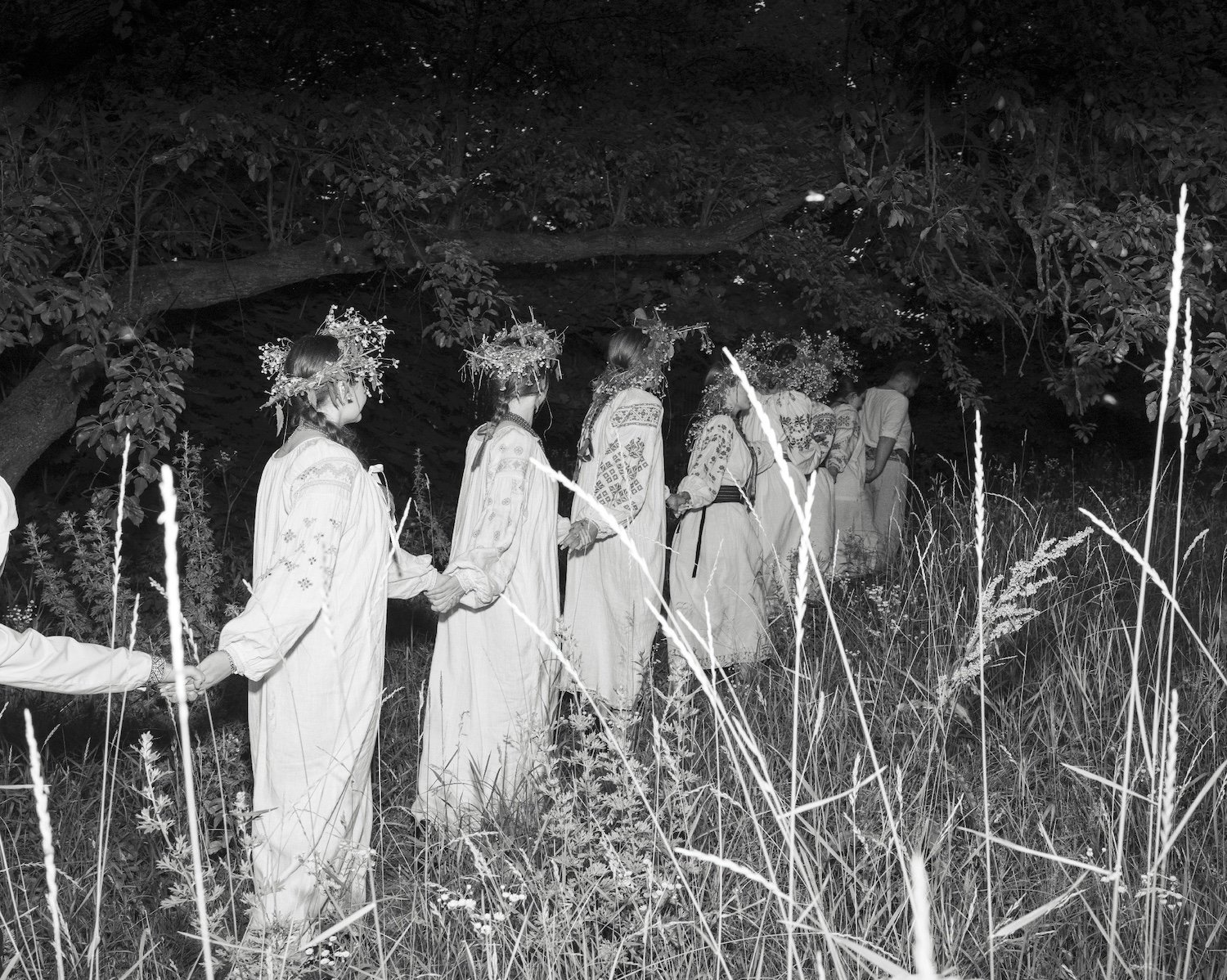
Aria Shahrokhshahi: I think one thing that’s important to mention is that the work started in 2019, before the full-scale invasion by the Russian Federation, and many of the project’s central ideas were already there from the beginning. I was interested in questions of identity, reclamation, shifting culture, masculinity, and what happens when a nation’s sovereignty is under attack.
During the Euromaidan Revolution in 2014 and the partial occupation of Ukraine by Russia, a lot of these questions around Ukrainian identity became increasingly pertinent, and the full-scale invasion only amplified the things I was already trying to explore.
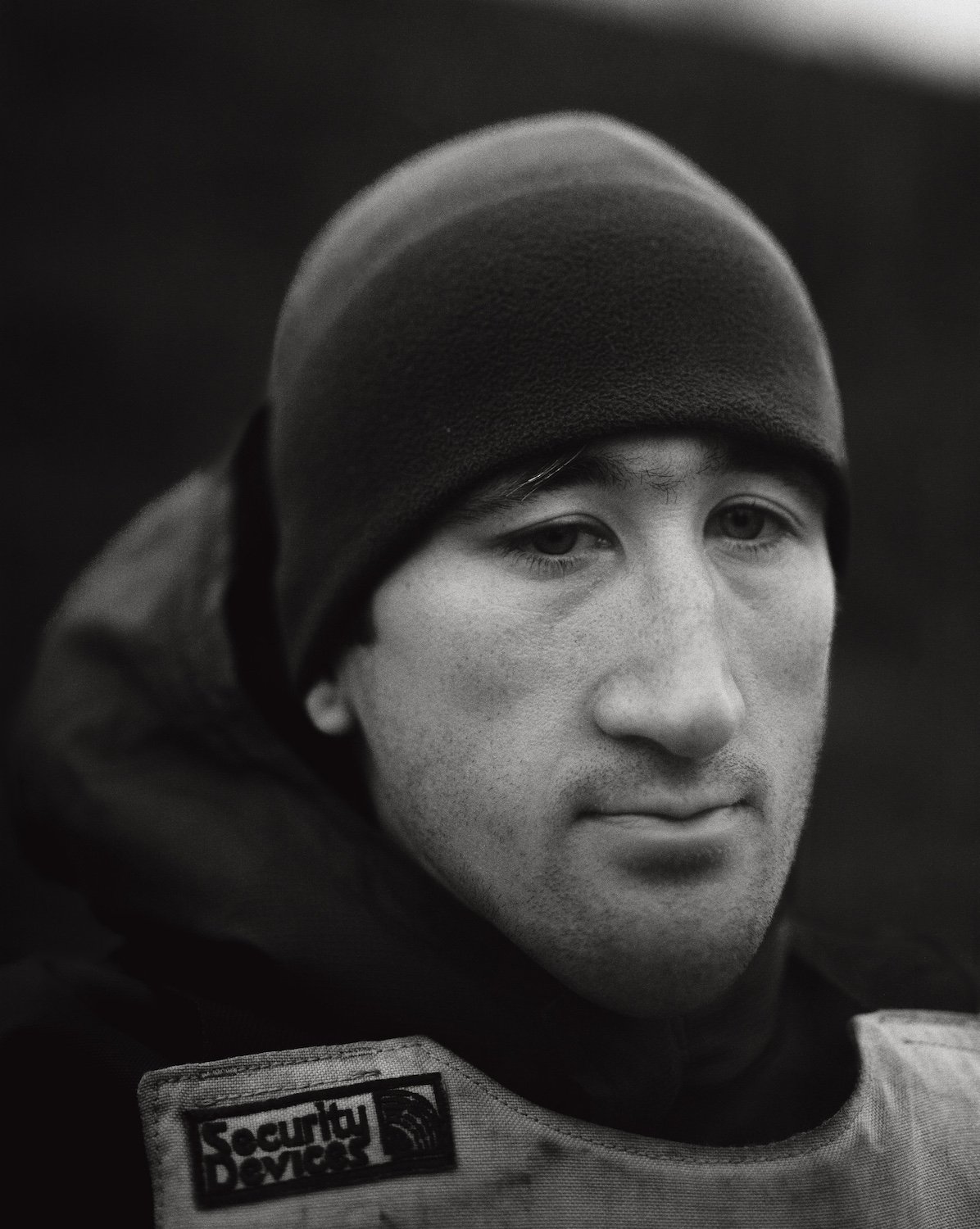
I would say that being witness to the unbelievable kindness, especially from NGO BASE UA, amidst the horror of war has been one of the greatest honours of my life. In war, you see the best and the worst of people, and I think that inevitably became part of the way I understood and approached the work.
NLT: Although Wet Ground emerges from within an active conflict, you have positioned yourself outside the category of ‘war photographer.’ How did that position develop, and do you think the work could complicate or challenge how war photography is typically understood?
AS: While there has been a concerted effort to position both the work and myself outside of the ‘war photographer’ space, I understand that for some people it will still be seen as work about war. But for me, that’s not really what the work is about.
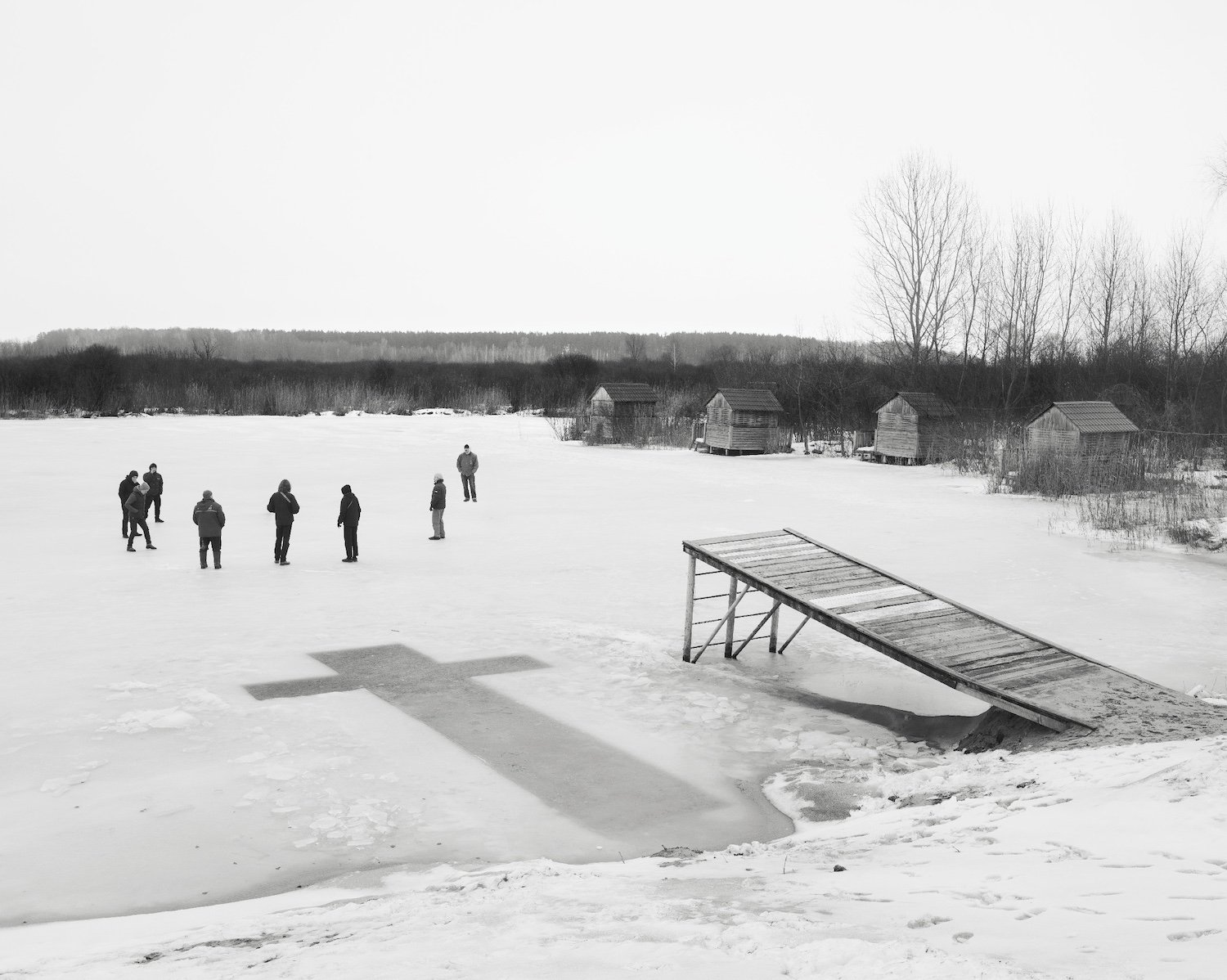
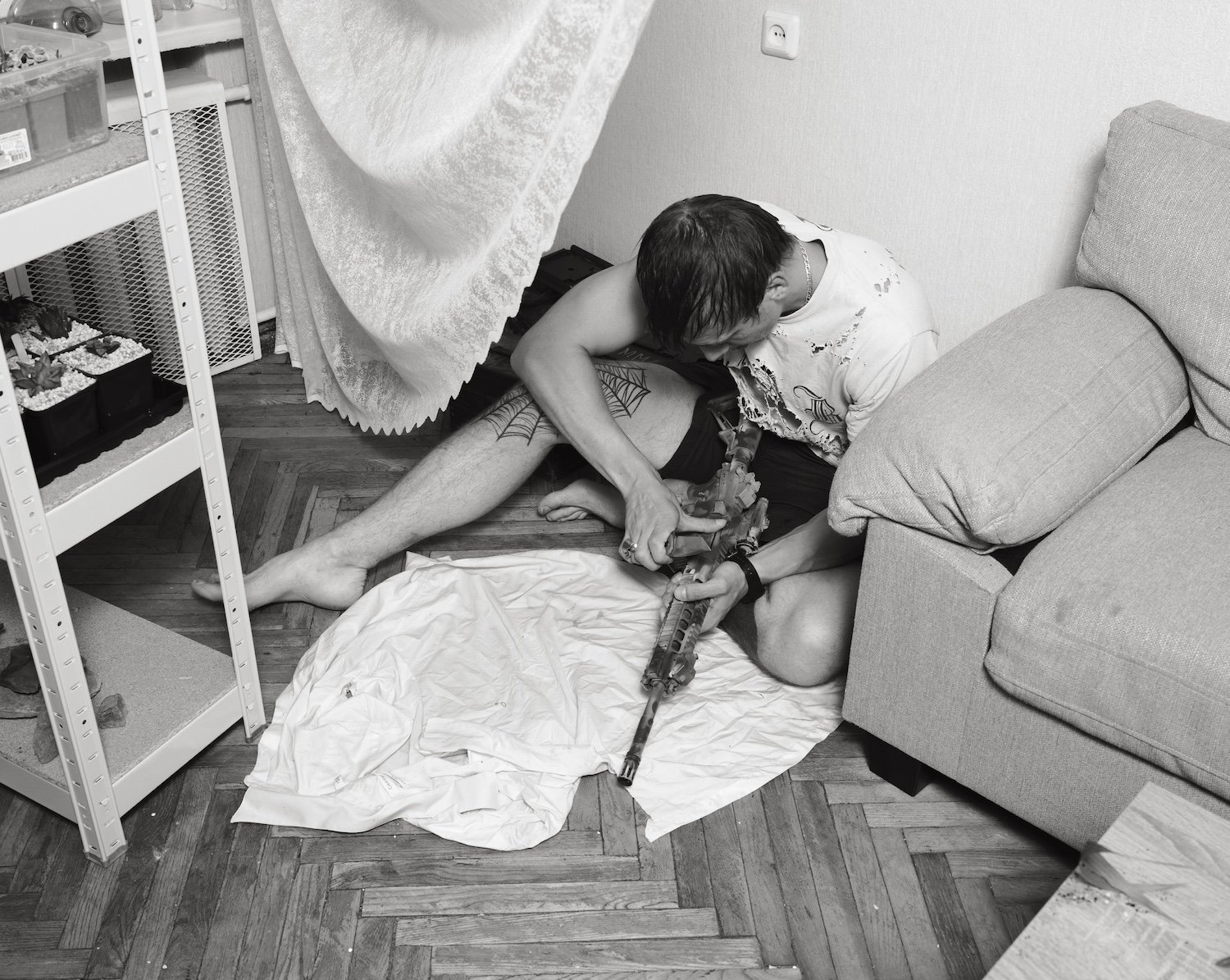
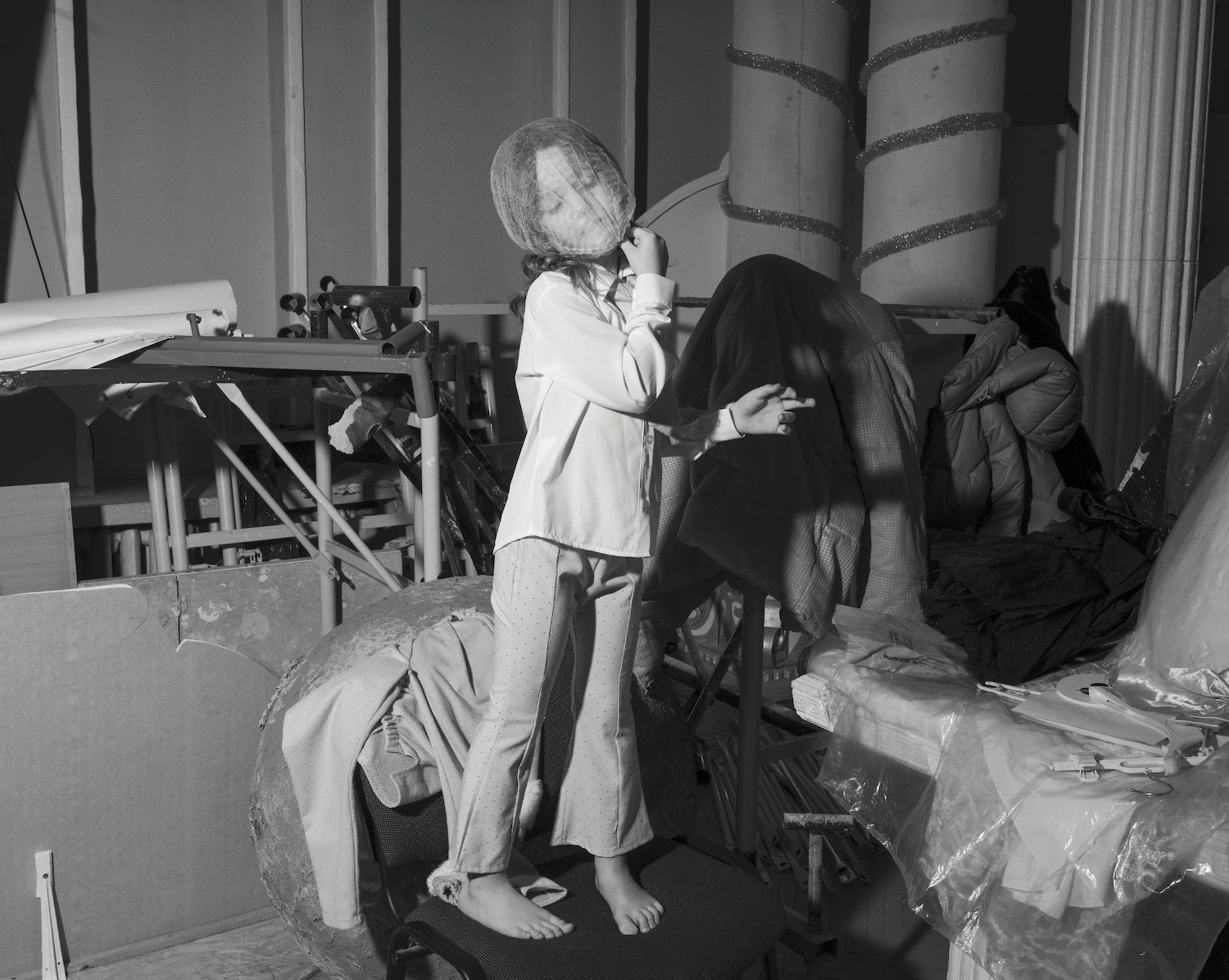
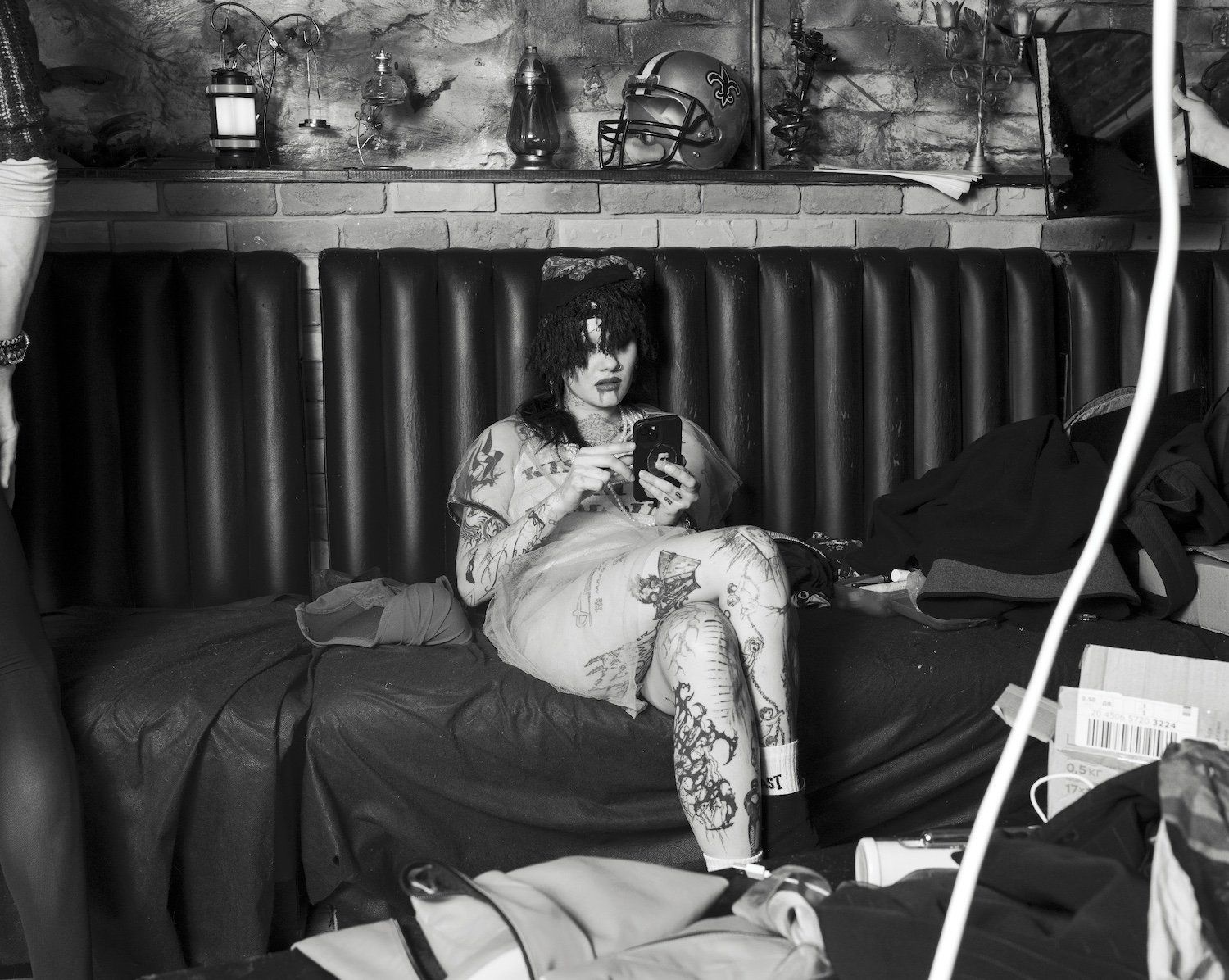
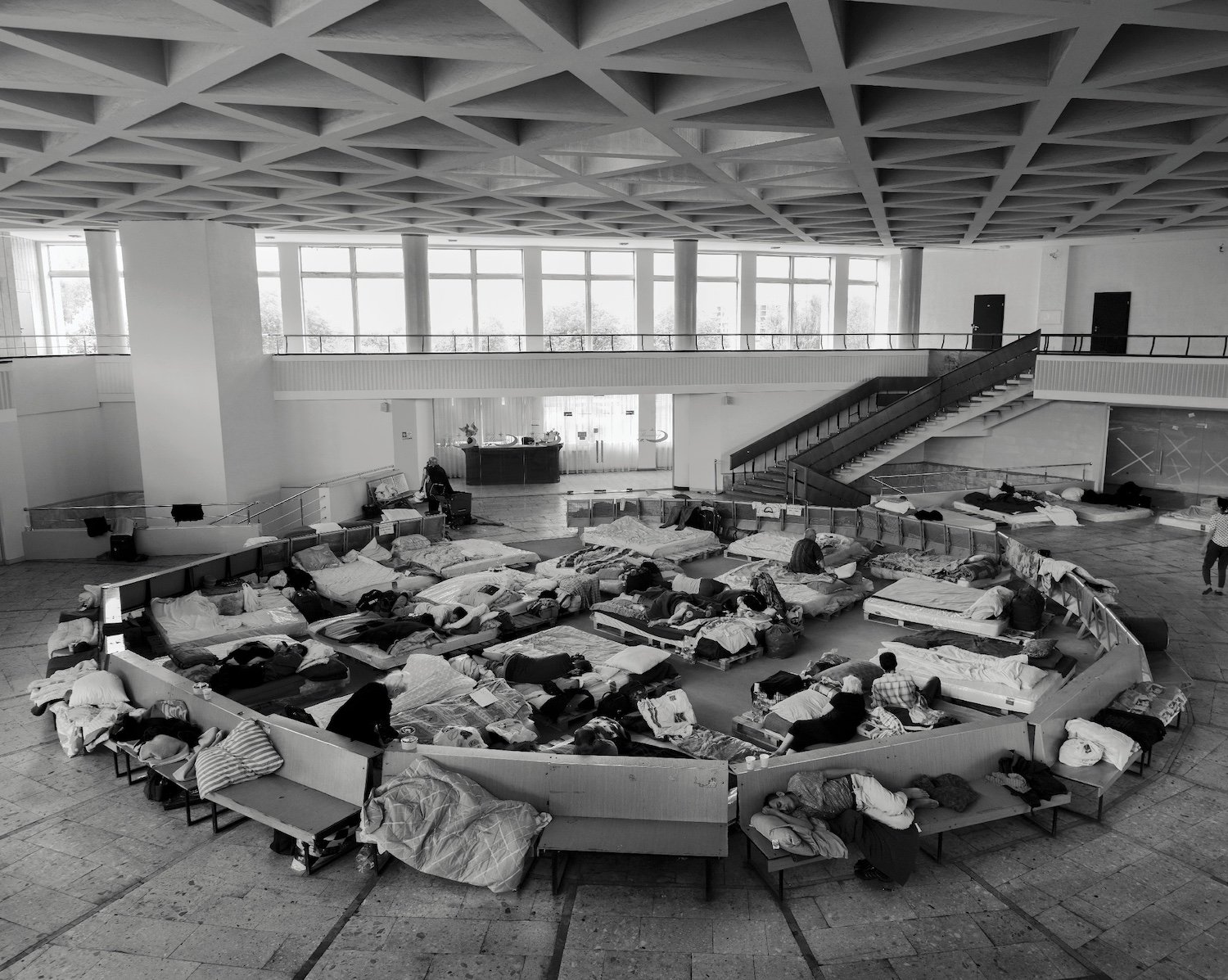
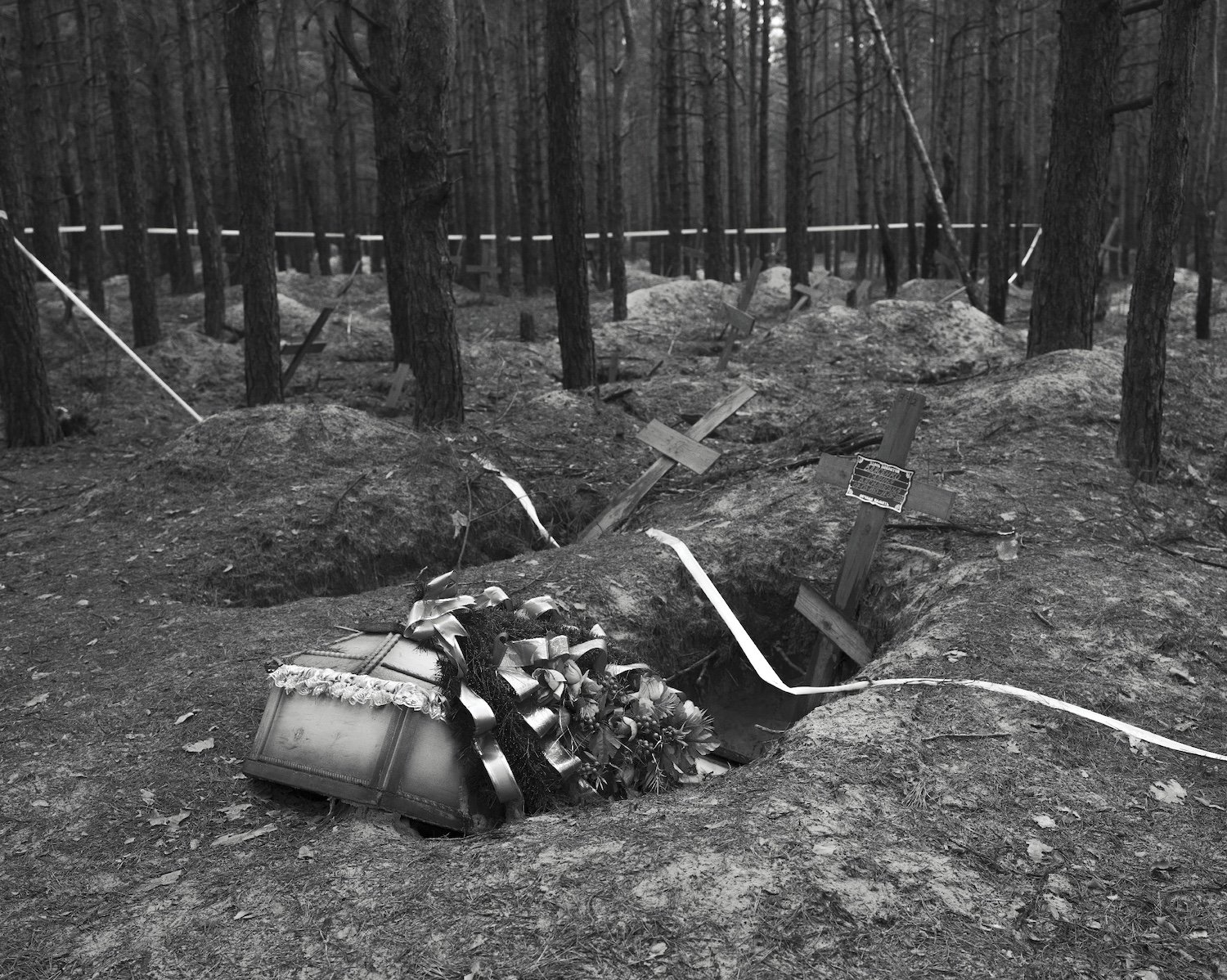
It’s about the beauty of normality within chaos, the shifting identity of a nation and, ultimately, it’s a way for me to make sense of the world around me and communicate a feeling to others. A lot of the work is actually quite introspective.
To be frank, I have no real interest in war. I never intended to make work in a place at war, and I don’t intend to do so again. Ukraine is one of the most incredible places I’ve ever had the chance to spend time in, filled with extraordinary people, and for me the work is far more an observation of a country and its people than a focus on war.
That said, it’s not something I would ever try to ignore. Ukrainians face constant violence and war crimes against the civilian population, and in the opinion of many global human rights organisations and charities, there is an ongoing attempt to ethnically cleanse a nation by authoritarian aggression.
I also have two other long-form bodies of work in progress – one in Iran where my family live, and another in the UK – so rejecting the label of ‘war photographer’ comes from feeling that it’s dishonest and doesn’t represent my work or the way I think about making work.
NLT: How did you approach sequencing the images in the book? Were there particular themes, rhythms or narratives you wanted the viewer to experience? Were there images that changed significance when placed in dialogue with others?
AS: I thought carefully about who I wanted to publish the book with, and I’ve always found the way Loose Joints sequence and create sentences within an edit absolutely beautiful, so I really felt like they were the right match.
Sarah Chaplin Espenon and I spent three days in Marseille laying all the images out on the floor and making sentences and rhythms with the photographs. That’s where a lot of the feeling came from. There were images that I had essentially written off that Sarah shone a light on, allowing me to look at them from a different perspective.
One image that really revealed itself during the edit was of Baby Theo, photographed just minutes after he was born. I had almost discarded the image because I felt I hadn’t made the photograph I originally hoped to. But once we saw it in sequence, it suddenly made complete sense. It became an image of hope and new life.
It’s less about two images working together and more about the sentences you create in sequence to develop momentum. What comes before and after. It’s about the breaths and pauses you need to complete or emphasise a point within an edit.
NLT: Wet Ground walks the line between conceptual reflection and historical document. How do you view Wet Ground in this regard? Do you see the book as primarily a record, a meditation or something else entirely?
AS: Quite simply, the goal of the work is to try and make a poem with pictures. I’m always trying to communicate a feeling that I have. I’m not interested in fact or historical documentation in the surface-level sense.
I think the work has multiple practicalities and uses, but for me it was important to provide a different way of looking at something that has already been so well documented. A meditation, or conceptual reflection, would be a good way to describe it.
What always interests me is finding another way to look at a place, situation or idea that exists outside of the usual language surrounding it. That’s what Wet Ground is an attempt to do for me.
NLT: The title Wet Ground refers to a moment during a civilian evacuation when wet ground prevented a missile from detonating. Could you reflect on why that experience stayed with you, and how the idea of ‘wet ground’ operates as a metaphor throughout the book?
AS: During the seven years making the work, I spent a lot of time working as a humanitarian volunteer. It never felt right to simply be there making photographs.
I was lucky enough to already have an amazing group of friends in Ukraine prior to the full-scale Russian invasion, and they let me join them volunteering with NGO BASE UA, evacuating civilians from frontline areas. On 10 February 2024, during an evacuation in the east of the country, a GRAD missile landed around fifteen metres away from us. Instead of detonating, it was absorbed into the earth because it had been raining and the ground was wet.
That’s a very literal origin of the title, but over time I became more interested in the wider metaphorical interpretation. Wet ground is always shifting.
I also became interested in Chernozem, the black soil that not only saved our lives, but is also a cornerstone of Ukrainian identity. Before the war, Ukraine produced around a third of the world’s grain, and agriculture remains deeply tied to both the country’s economy and national identity.
But what always feels most important to me in conversations around land is that land is never just material space. It’s places where someone learnt to ride their bike, had their first kiss, built memories. That relationship between land and memory became very important to me, and having the title closely connected to that felt right.
NLT: The book opens with a poem by Charlotte Shevchenko Knight, setting a tone for the images that follow. How did you come to select this text, and what significance does it hold for the work?
AS: I first came across Charlotte’s work through her book Food For The Dead, and specifically a poem called ‘Happy Violence’. One thing that’s really important to me in my work, and something that really interests me, is the mystery of photography. The images that make you think, make you wonder.
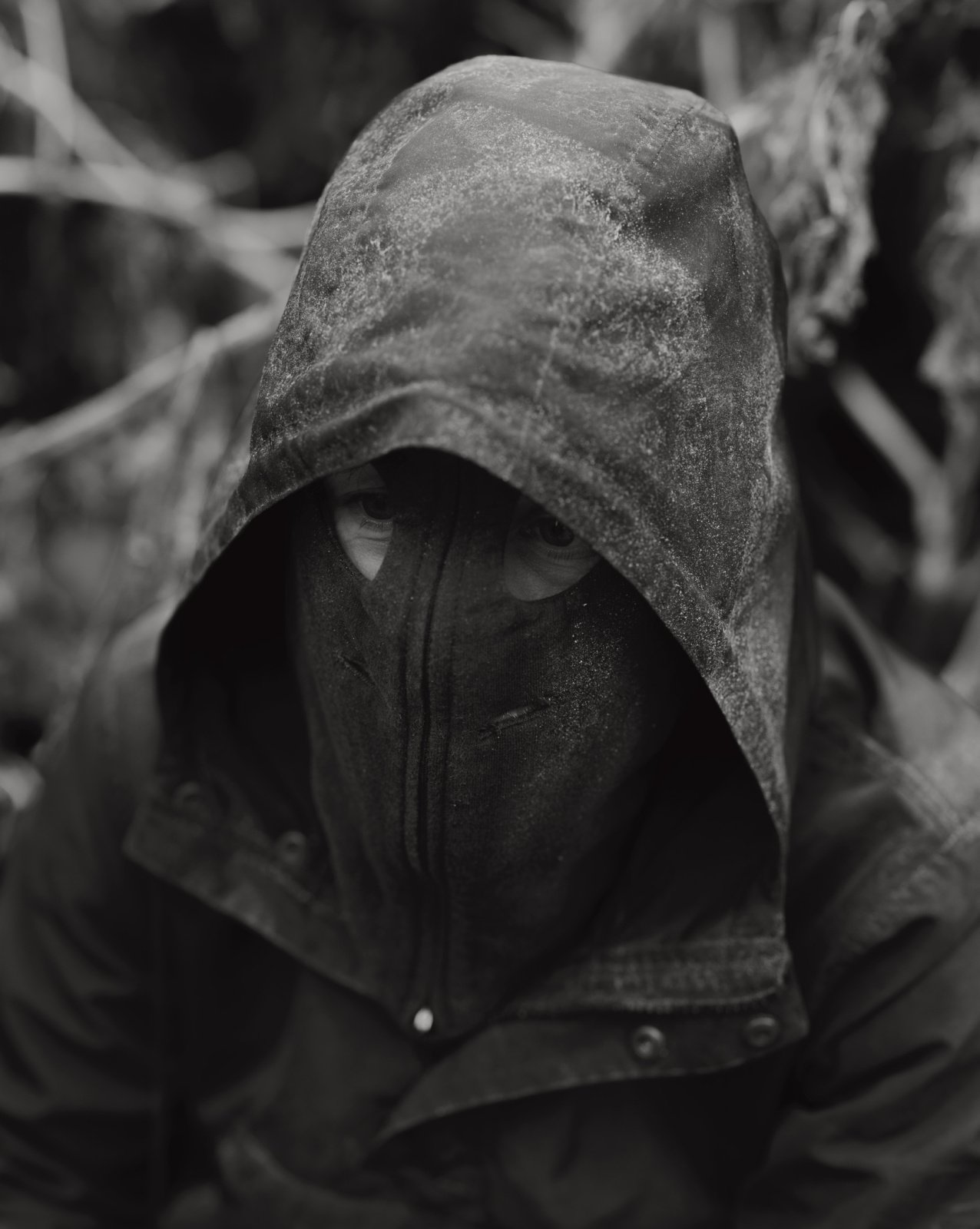
I think the quickest way to bore someone is to tell them everything, so I like to make work that leaves space for people to question what they’re seeing and try to understand the context themselves. I think something interesting happens once context is removed, because people fill in the gaps with their own experiences and their relationship to the work changes because of that.
‘Happy Violence’ spoke to me very deeply for that reason. The way Charlotte assembled sentences took my mind somewhere else. It wasn’t on the nose, it made me question and wonder, and it engaged something in me emotionally. I felt she was the perfect fit for the book.
Myself and Loose Joints were always aligned in not wanting a descriptive foreword. A poem felt more appropriate. It was a real collaboration, and I feel so lucky to have her text in the book. I think one of the things it does really well is engage that sense of mystery I’m always looking for within work.
NLT: What would you hope an international reader comes to understand differently after spending time with the book?
AS: It’s a difficult question, because I understand that every reader will interpret the work differently depending on their own experiences and the context they bring to it. But I hope what comes across is not only the beauty of Ukraine and its people, but also the duality of existence and the complexity of identity during this incredibly strange and difficult time.
I hope Wet Ground allows people to see Ukraine in a way they maybe haven’t seen before. I hope the work makes them stop and think, question and wonder, feel and laugh, and that engaging with it might encourage them to spend time learning more through other, more didactic sources about what Ukrainians are facing.
I hope the work maintains a non-didactic approach – that people are able to look at the pictures with a sense of mystery and wonder and, almost like reading a novel, create a world they can step into, even momentarily.
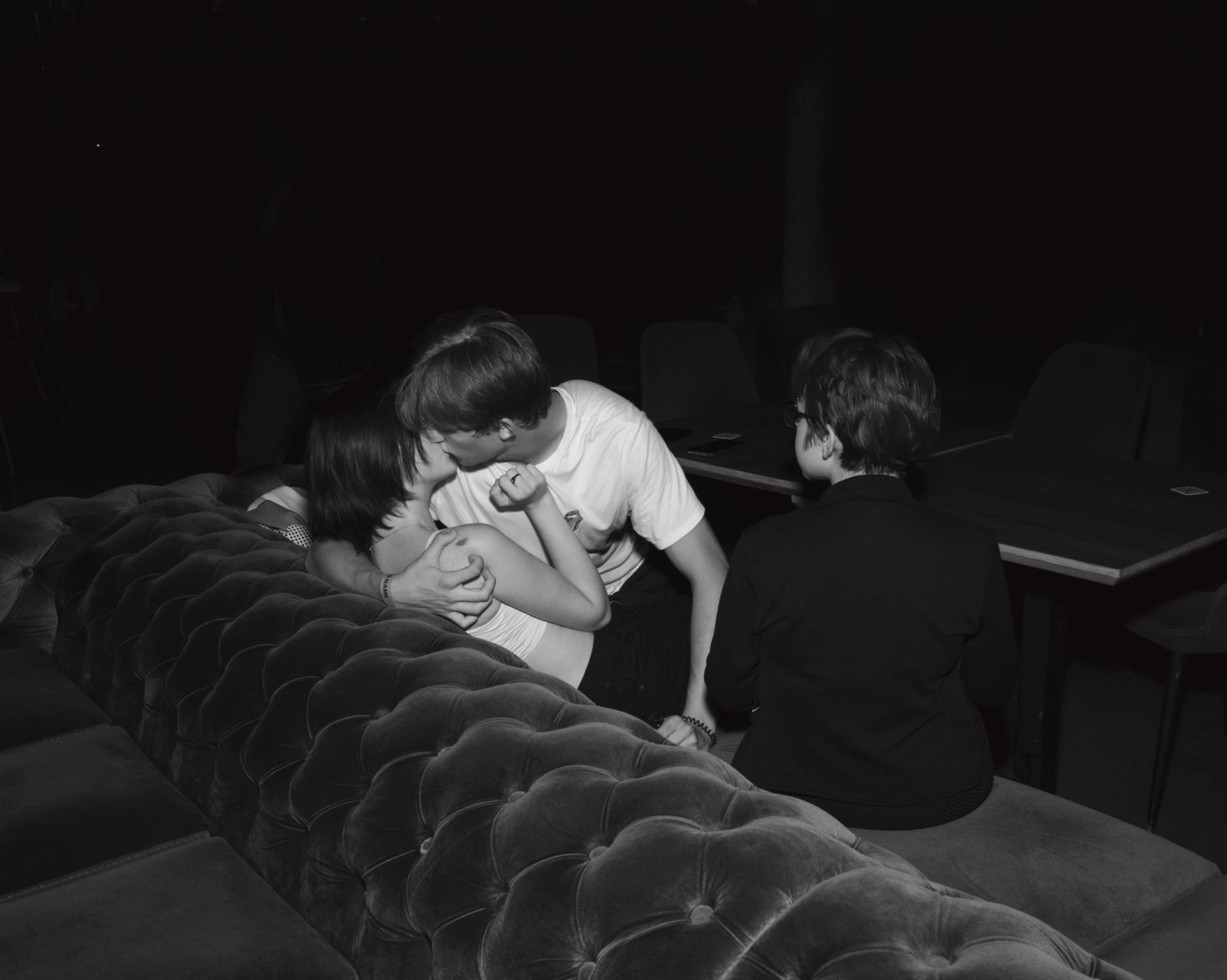
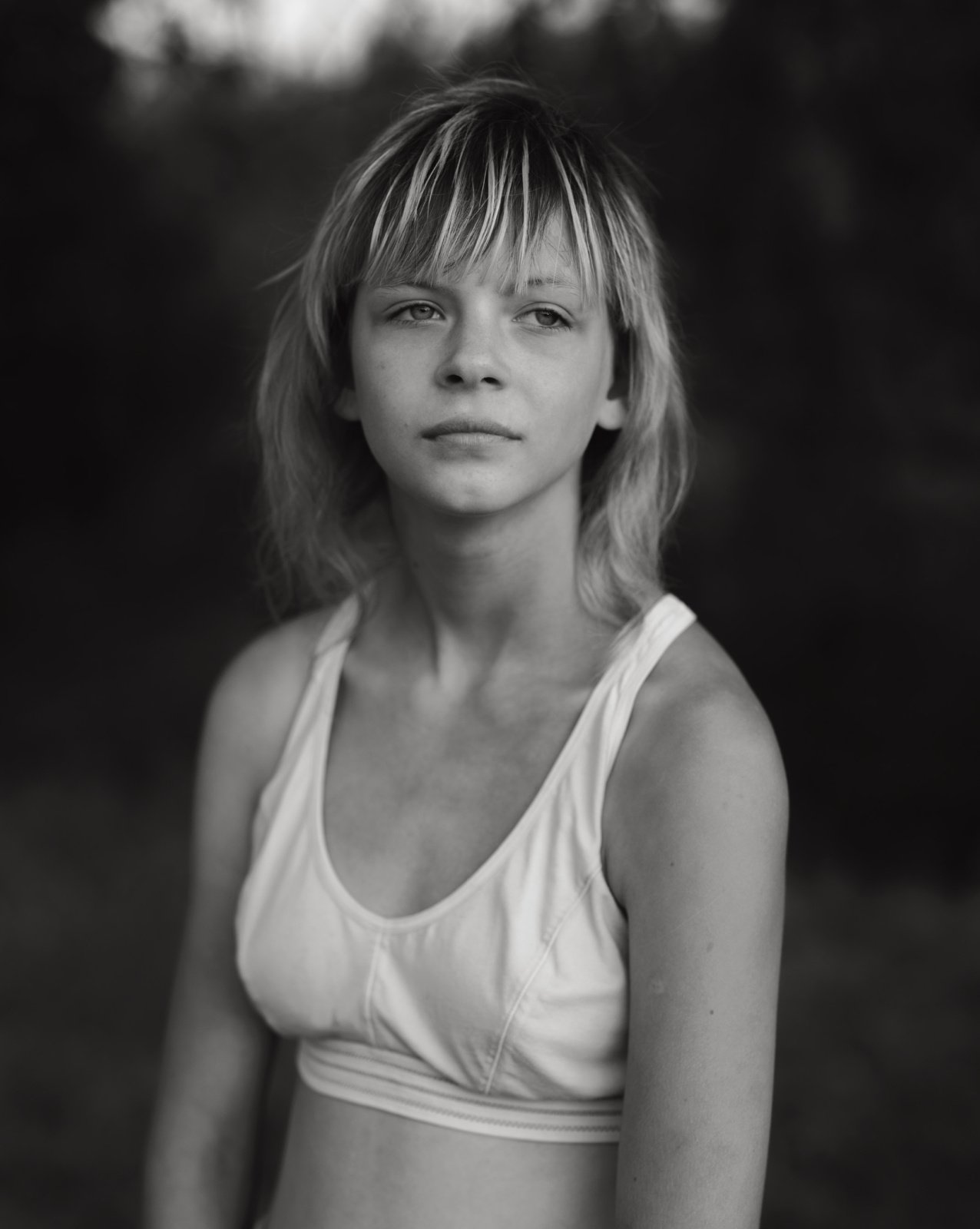
I think many depictions of war are so unrelatable for most people. Whether it’s an adolescent kiss in a nightclub or cuddling with a loved one, those smaller human moments close the distance and reconnect people to the reality of what others are experiencing.♦
All images courtesy Loose Joints © Aria Shahrokhshahi 2026.
Wet Ground (2026) by Aria Shahrokhshahi is published by Loose Joints.
—
Aria Shahrokhshahi (b. 1996) is a British-Iranian multi-disciplinary artist, whose practice has been shaped by a deep fascination with the intricate dynamics of diverse communities and the complexities of the human condition. With a focus on social structures and the human experience, Shahrokhshahi’s work serves as a critical exploration of the relationships and power dynamics that inform everyday life.
Nathan Leigh Taylor (b. 1990) is a UK-based photographer and writer.
1000 Words favourites
• Renée Mussai on exhibitions as sites of dialogue, critique and activism
• Roxana Marcoci navigates curatorial practice in the digital age
• Tanvi Mishra reviews Felipe Romero Beltrán’s Dialect
• Discover London’s top five photography galleries
• Tim Clark in conversation with Hayward Gallery’s Ralph Rugoff on Hiroshi Sugimoto
• Academic rigour and essayistic freedom as told by Taous Dahmani
• Shana Lopes reviews Agnieszka Sosnowska’s För
• Valentina Abenavoli discusses photobooks and community
• Michael Grieve considers Ute Mahler and Werner Mahler’s posthumous collaboration with their late family member
• Elisa Medde on Taysir Batniji’s images of glitched video calls from Gaza
Join us on Patreon today and be part of shaping the future of photographic discourse


