
Capitalism’s dream sequence: Sara Cwynar at The Approach
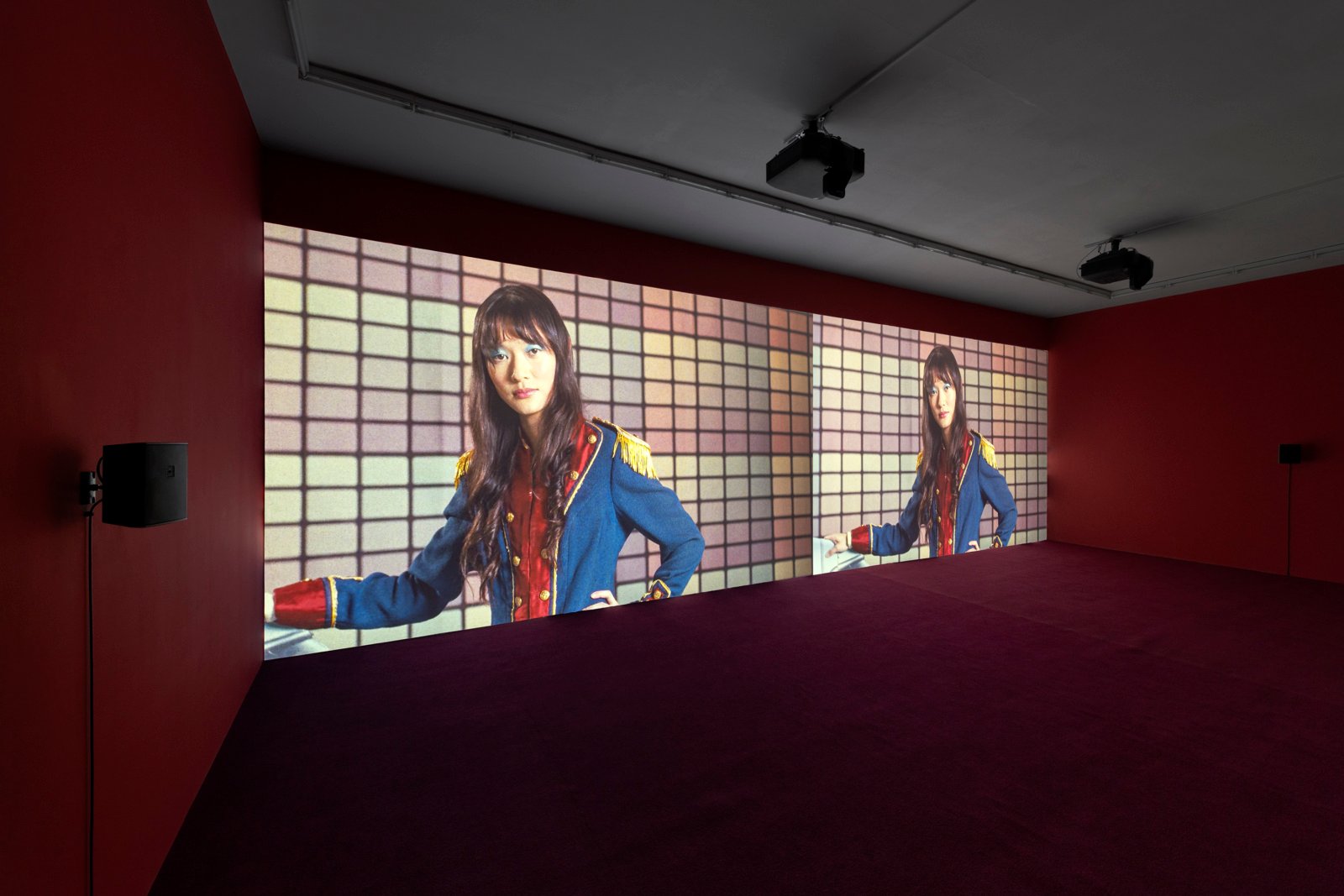
Sara Cwynar’s Baby Blue Benzo transforms The Approach, London, into a restless theatre of image capitalism, pairing a 21-minute film with photographs installed in the annexe. Linking the Mercedes-Benz 300SLR Uhlenhaut Coupé and benzodiazepines through archival collage, performance and consumer spectacle, the exhibition examines how images convert value, anxiety and desire into cultural products. Beginning with her own disorientating encounter at the gallery, Gem Fletcher traces the film’s references, rhythms and sonic intensity, positioning Cwynar’s work as both a warning and a form of subliminal education.
Gem Fletcher | Exhibition Review | 4 June 2026
Join us on Patreon
I’m lost. It’s been a minute since I’ve been to The Approach, and I’d totally forgotten it’s above a pub, requiring visitors to cosplay East End punter to access the space via the downstairs bar. As I meander through the bustling lunchtime crowd, my headphones are full of the work of writer and psychotherapist MJ Corey reflecting on the progression in performance dynamics between Instagram and TIKTOK – vacant selfies and flat vocal affect in the former mutating to vibrant, excessive caricature personality in the latter – all while referencing Erving Goffman’s theories of dramaturgy. When I finally reach the doorway into Sara Cywnar’s latest exhibition, Baby Blue Benzo, I attempt to quietly slip into the blacked-out viewing room to watch her film of the same name. I failed. My presence triggers a dog that is now barking and lunging at me, to the embarrassment of its owners.
“Everything is moving forward as planned,” states the laconic, authoritative male narrator.
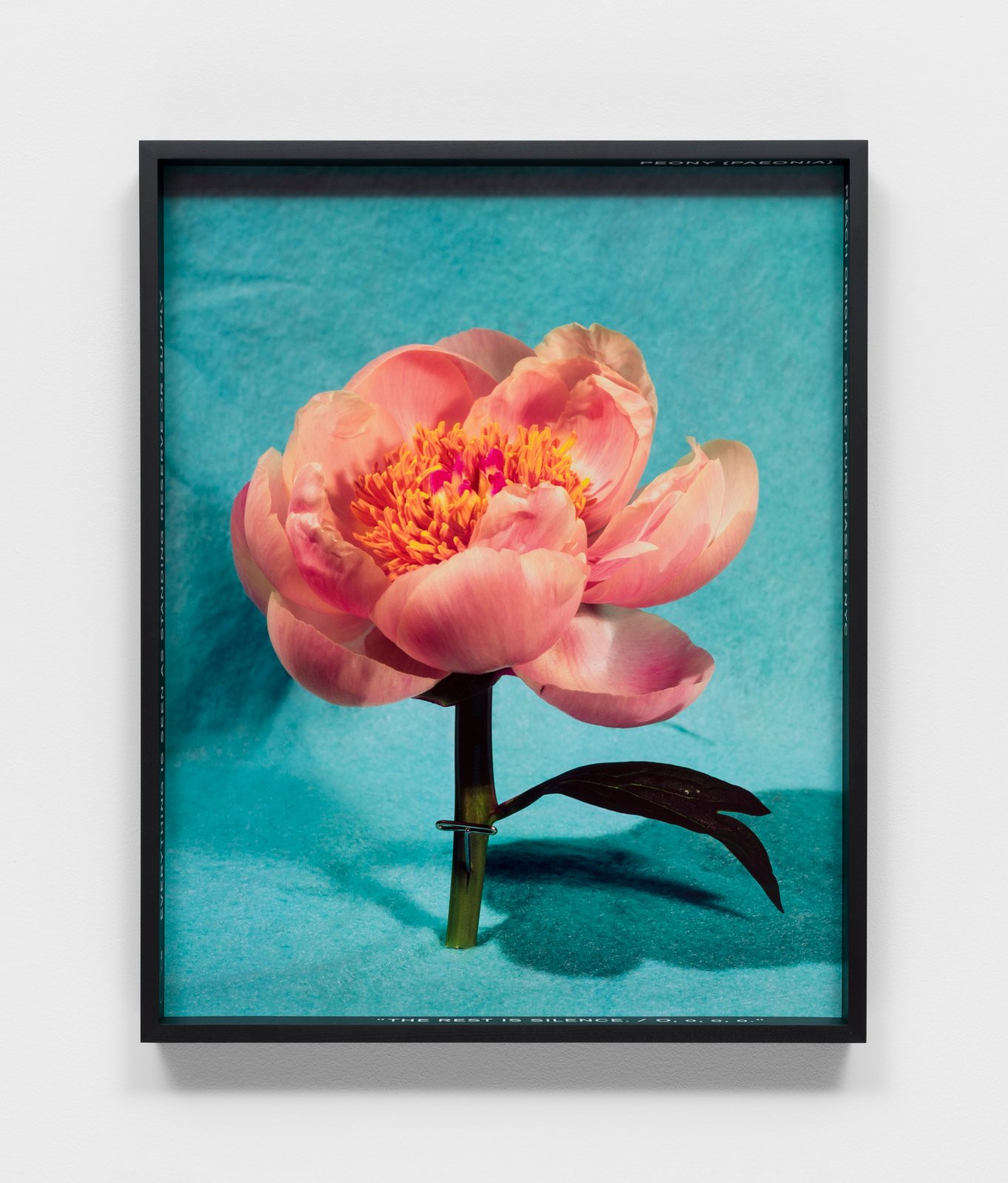
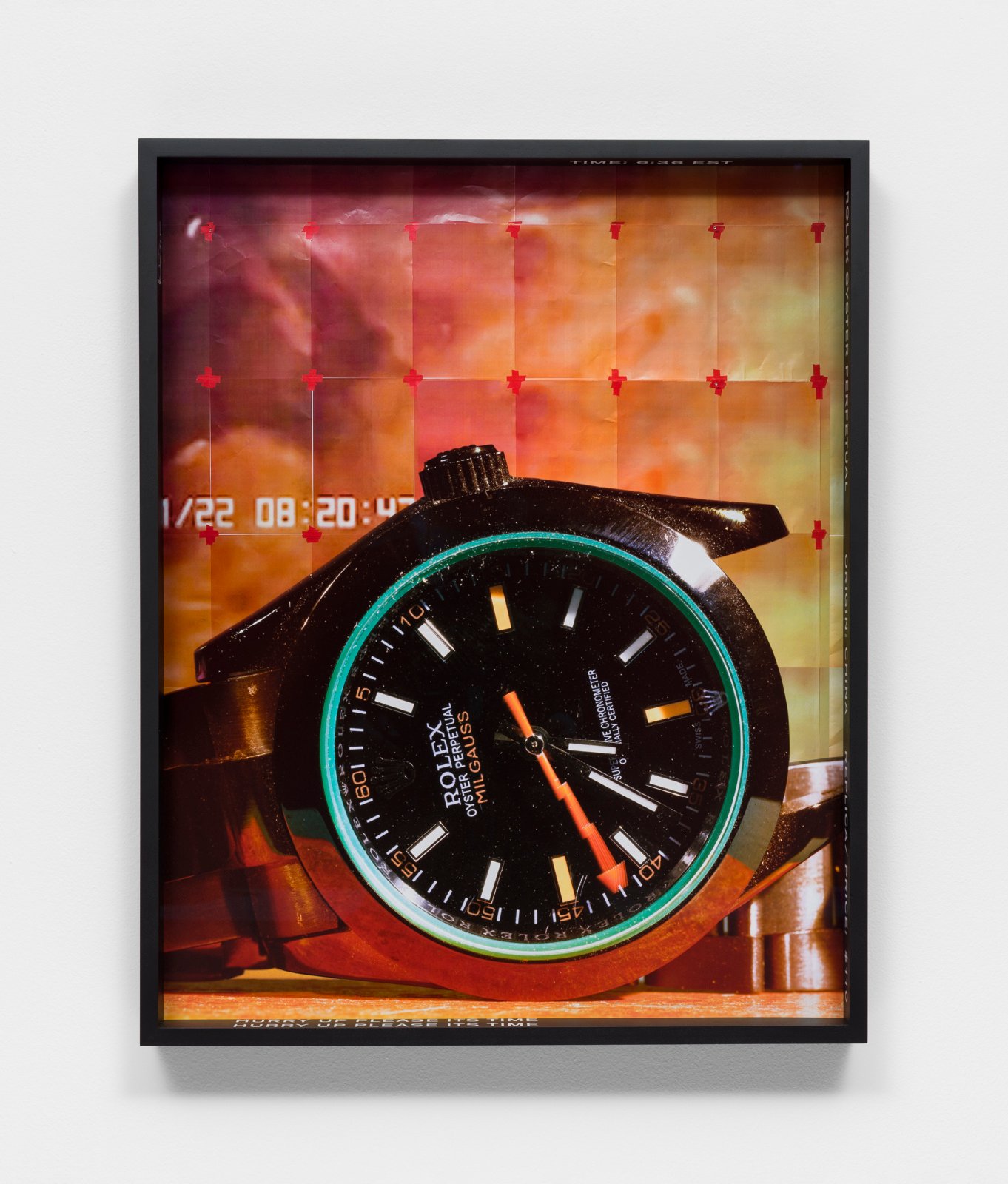
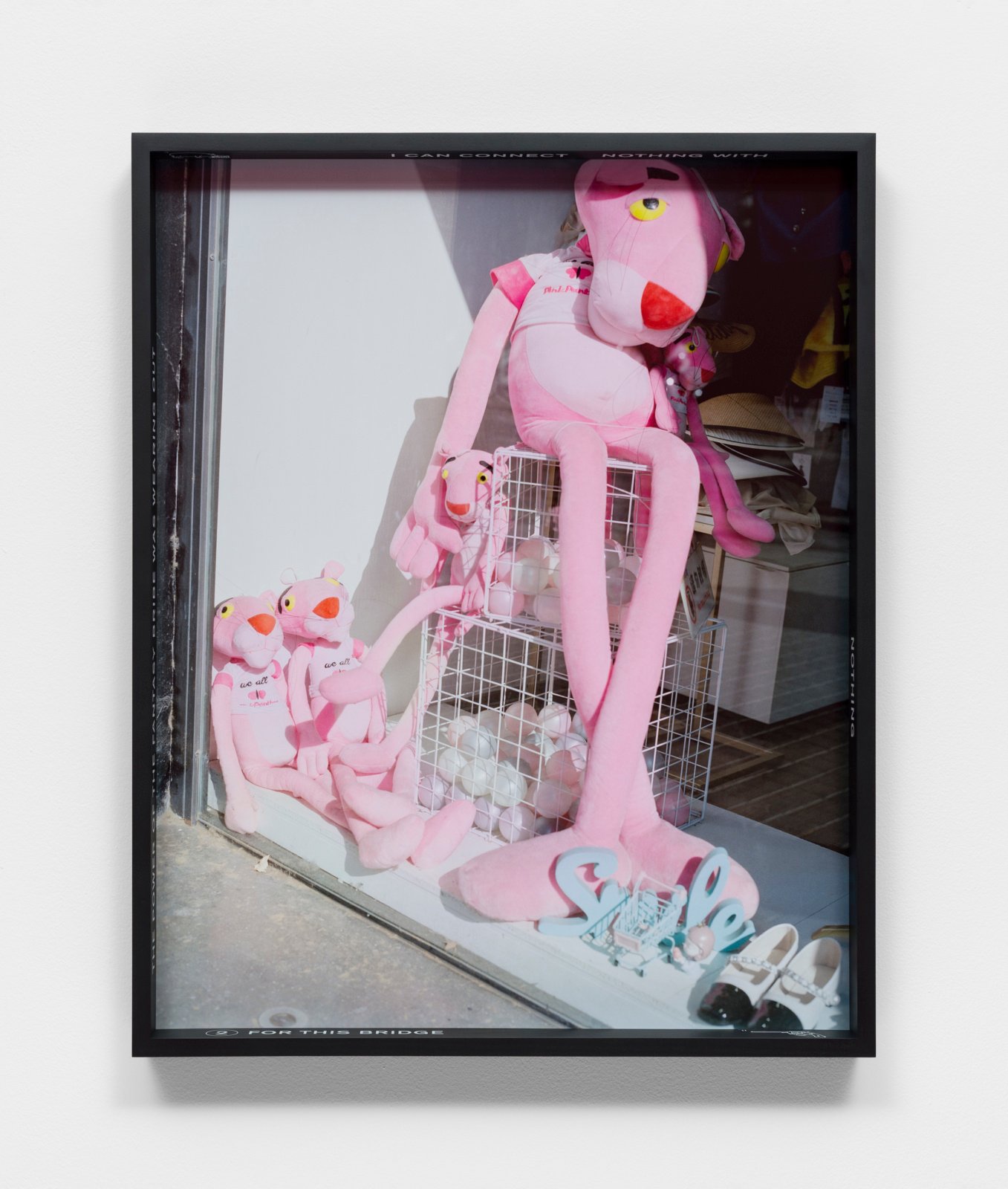
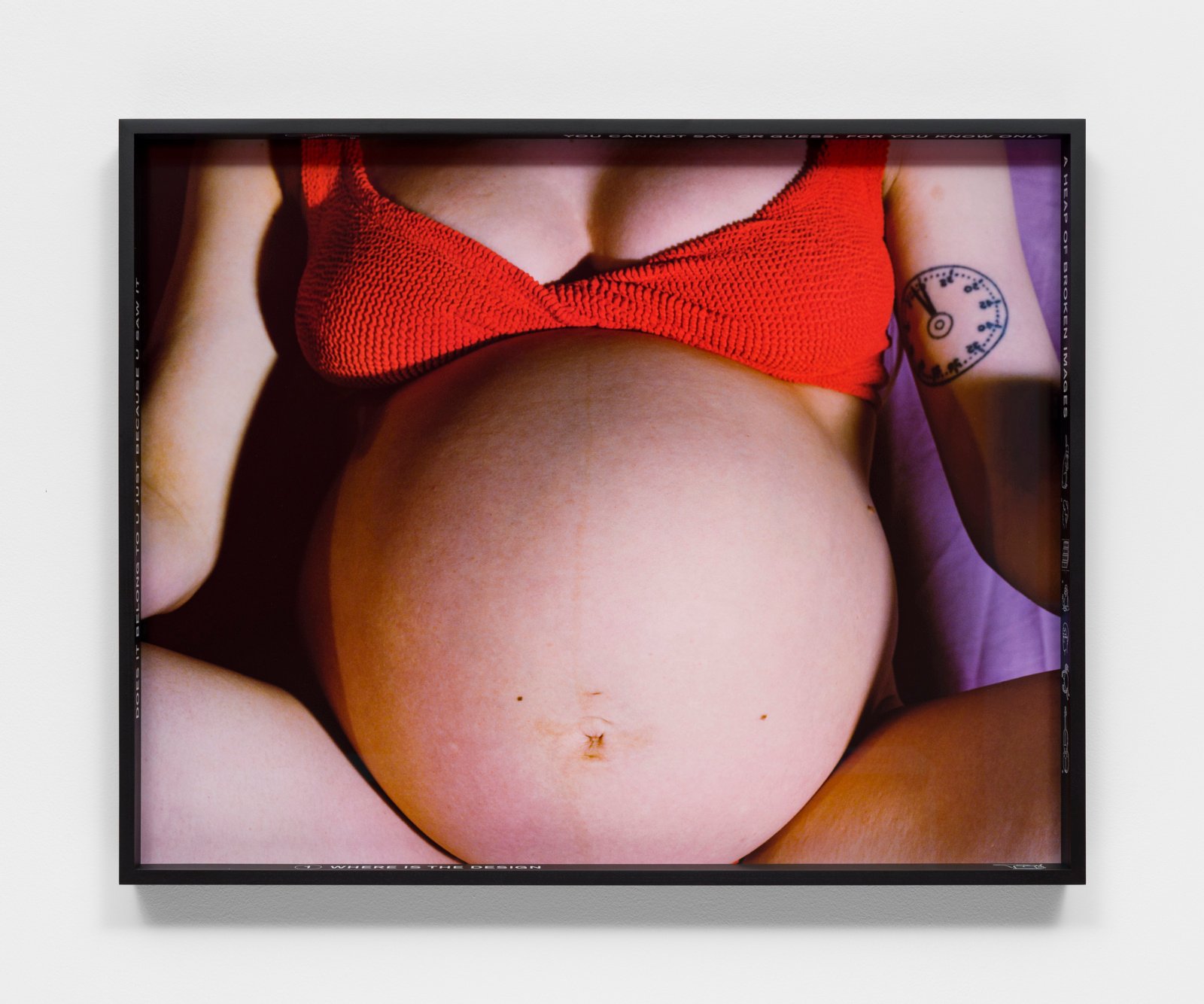
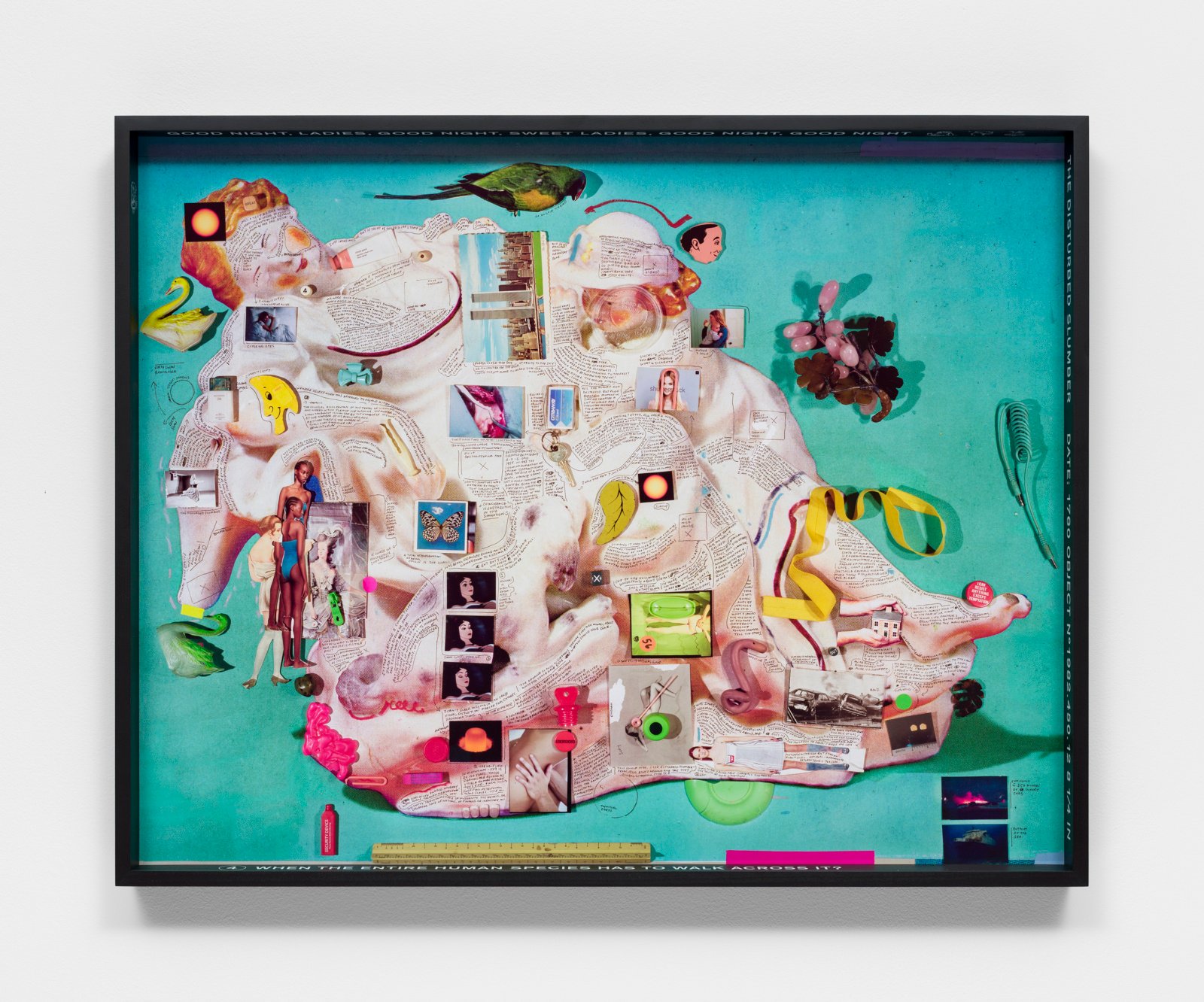
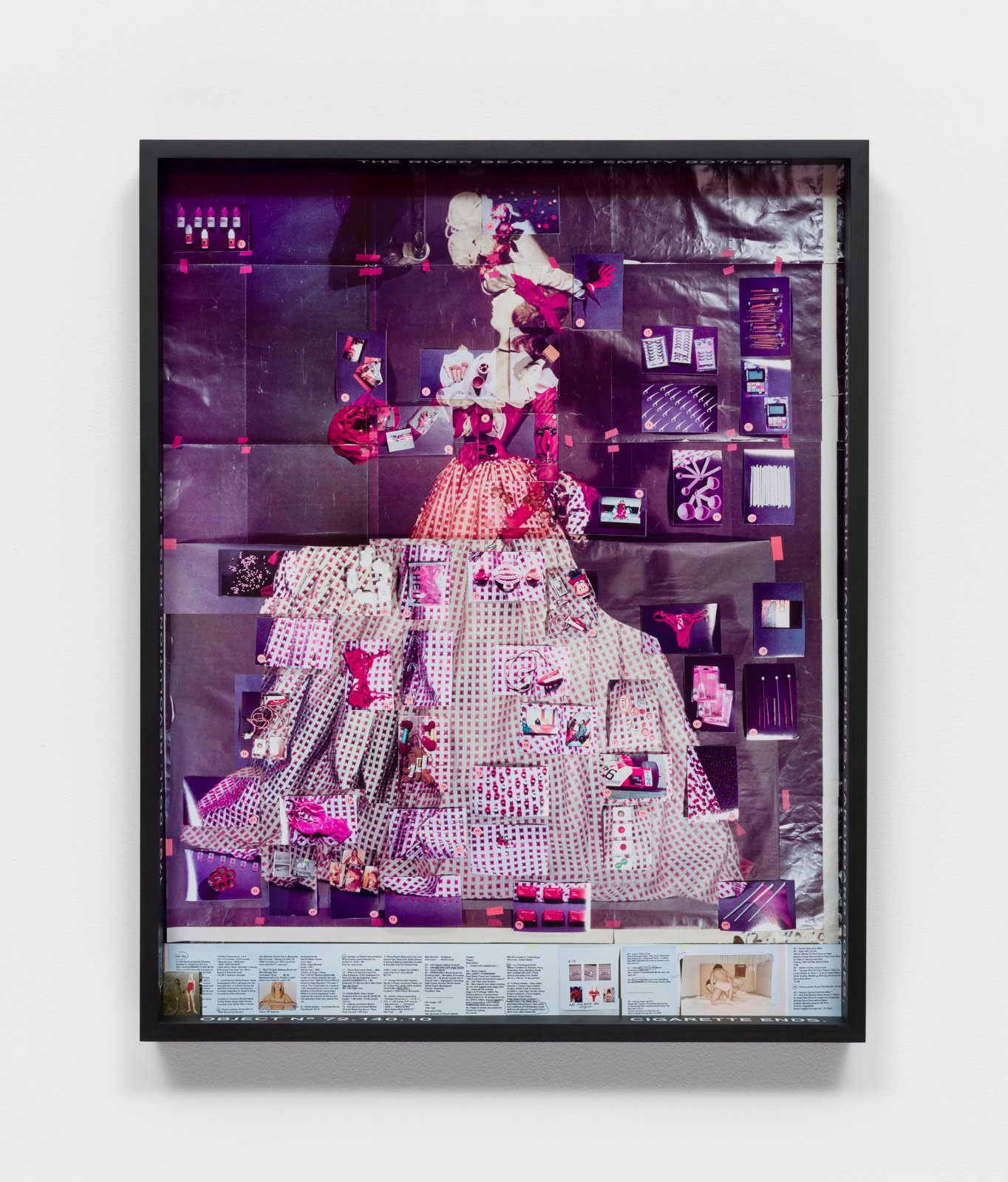
Looking back, everything about this series of events offered the perfect disorientating precursor to Cwynar’s show. For the last decade, the New York-based artist’s mission has been to physically and conceptually disassemble images to reveal the power they exert over our personal and collective imagination. Baby Blue Benzo is her most potent attempt yet. At its core, the 21-minute opus unravels the arbitrariness of value and the way in which photography helps create the desire on which capitalism thrives. The film – and a small series of images on display in the gallery’s annex – traffic in allegory, taking cultural touchpoints, including but not limited to a Mercedes-Benz, Pamela Anderson, an 18th century doll costume and Benzodiazepines (benzos), to unravel the perpetual harm that binds capitalism, desire, misogyny, and information overload in the digital age.
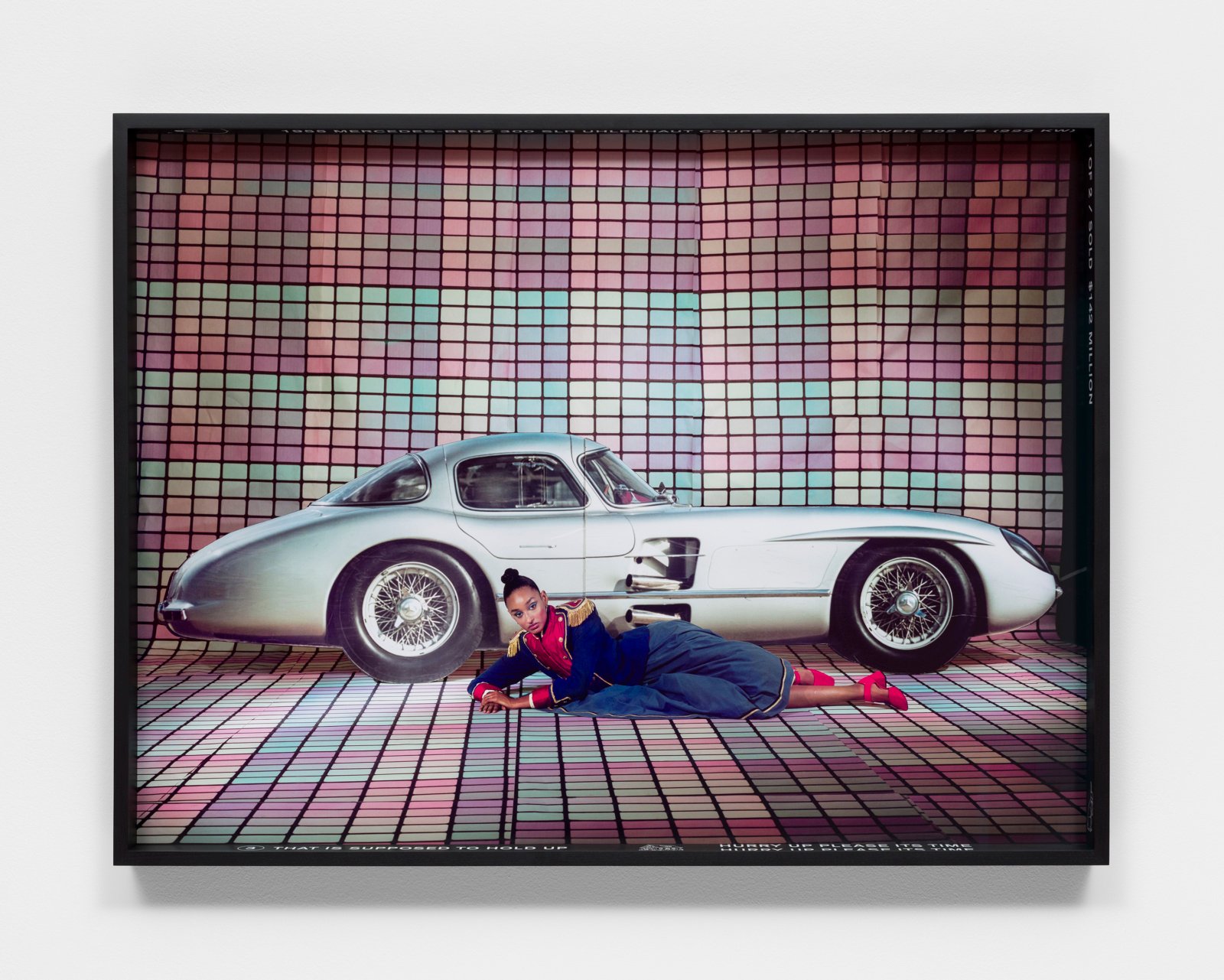
The film’s central protagonist is the Mercedes-Benz 300SLR Uhlenhaut Coupé. The world’s most expensive car, which sold at auction for 135 million euros in 2022. Cwynar uses the Benz as a recurring motif. An object of desire that drives the conceptual narrative, while quietly nodding to the vehicle’s dark history in the 1955 Le Mans Disaster, in which a number of vehicles collided into the spectator arena killing 82 people. The disaster became the deadliest in motorsports history, and Mercedes-Benz cancelled its racing programme immediately after. And yet, the car acquired its prestige and subsequent worth from its failure to fulfil its purpose. This grand waste of manufacturing is something Cwynar critiques throughout the film, using the Benz as a fulcrum to the perverse ways objects (and images) accumulate fiscal and social value.
Next comes Benzodiazepines: a class of highly effective, but highly addictive sedatives commonly prescribed for anxiety and insomnia, conditions which the artist has experienced herself. Developed in 1955 (just like the Benz), the little blue pill is used to parallel an insomniac’s drifting illogic and speak to the experience of living in an era of accelerated image capitalism. It’s here Cwynar parses the simultaneous desire for progress and rest – a world where we constantly yearn for both satisfaction and relief – while encountering a daily mashup of images and information unlike anything we could have imagined until a few decades ago. Ironically, sleep is now our last remaining autonomous space, rendering the cruelty of insomnia as something more savage. Not just because it offers relief from a tirade of content, but because it prevents us from accessing a world of imagination where alternative ideas and values that rebel against the status quo can thrive.
In truth, Baby Blue Benzo is a film with endless subplots. Nothing is neutral, and every gesture is steeped in theory and provocation. Under her lead inquiry, Cwynar references Allan Sekula’s The Traffic in Photographs, provoking questions about images and power. How does photography turn people into products? What’s the difference between consuming a product and an image? Is a picture enough? Ideas from Lauren Berlant, Charles Baudelaire, Saidiya Hartman and Maurice Merleau-Ponty circulate throughout the narration, alongside personal reflections from Cwynar and a reading from the Mercedes-Benz sales literature.
The multifaceted script is delivered by Cwynar and her long-term collaborator, actor Paul Cooper, whose rich ASMR tone reflects our collective ambivalence towards images while gradually building a sense of unease and existential dread. In addition, Cwynar uses the sonic experience to heighten her quick cuts, both playing and mocking our dwindling attention spans. Every few minutes, the film’s dramaturgy pivots, driven by the throb of the beats, which range from Porche by Charli XCX to Metz’s Demolition Row. Occasionally, the action pauses, enabling the pub downstairs to casually announce itself by a clattering of pans in the kitchen.
Making poetry out of collisions has long been Cwynar’s artistic purview, and throughout Baby Blue Benzo, she unsettles the space between nostalgia and the contemporary, between what’s authentic and constructed, between the replica and the original, creating her own typology of dissonance. This tension is particularly felt in the ‘collage’ scenes, where hundreds of images pulled from the internet, print and Cwynar’s ever-expanding personal archive are removed from their contexts and positioned on multiple panes of glass layered on top of each other. These scenes invoke Aby Warburg’s Mnemosyne Atlas (1925–29) and his attempt to understand recurring visual themes and patterns across time and cultures by obsessively organising collections of images on flat planes. In Cwynar’s interrogation, the images shift constantly, utilising a mid-century animation technique that feels eerily reminiscent of doomscrolling. Although, instead of the vertical scroll of social media, the film moves horizontally, mimicking the assembly line or the treadmill, evoking the exhaustive reality of endless production, endless images and the endless pursuit of upward mobility.
Now, with five films under her belt, Cwynar seems to feel at home in the theatre of ideas she has created. Every decision in Baby Blue Benzo is carefully tuned to create maximum impact. What’s more, she asserts herself through more on-camera appearances than ever before, playing roles as varied as motor show model, film-maker, figure skater, influencer, and film director. Her performance, which ricochets between earnest and sardonic, brings a sense of levity, making the hard and dark truths the project mirrors back to us more palatable.
Cwynar’s work, just like the raging Alsatian I first encountered in the gallery, is an alarm. A canary in the mine. A rallying call to address our relationship to photography and its role in manufacturing illusion and advancing capitalism. Her delivery is a masterclass in subliminal education – a visual world that welds advertising aesthetics and attention-economy storytelling strategies to deliver consumer critique through a blend of irony and sincerity.
“Seduce me?” asks Cooper desperately as one chapter comes to an end.
“Please,” responds Cwynar.♦
All images courtesy of the artist and The Approach, London.
Baby Blue Benzo runs at The Approach, London, until 7 June 2026.
—
Gem Fletcher is a writer, consultant and podcaster. Her work has been published in Foam, Aperture, Dazed, Creative Review and The British Journal of Photography. She also hosts The Messy Truth podcast, a series of candid conversations that unpack the future of visual culture and what it means to be a photographer today.
Images
1-Peach Peony, 2026
2-Fake Rolex Oyster Perpetual Milgauss, China, 2026
3-Pink Panther Mother, 2025
4-Pregnant, 2026
5-Lihem with Mercedes Benz 300 SLR, 2026
6-The Disturbed Slumber, 1760, 2026
7-Doll Index, 1791-1950, 2026
8-Baby Blue Benzo, 2024
1000 Words favourites
• Renée Mussai on exhibitions as sites of dialogue, critique and activism
• Roxana Marcoci navigates curatorial practice in the digital age
• Tanvi Mishra reviews Felipe Romero Beltrán’s Dialect
• Discover London’s top five photography galleries
• Tim Clark in conversation with Hayward Gallery’s Ralph Rugoff on Hiroshi Sugimoto
• Academic rigour and essayistic freedom as told by Taous Dahmani
• Shana Lopes reviews Agnieszka Sosnowska’s För
• Valentina Abenavoli discusses photobooks and community
• Michael Grieve considers Ute Mahler and Werner Mahler’s posthumous collaboration with their late family member
• Elisa Medde on Taysir Batniji’s images of glitched video calls from Gaza
Join us on Patreon today and be part of shaping the future of photographic discourse


