



The limits of juxtaposition: Arthur Jafa and Richard Prince at Fondazione Prada, Venice
During the 61st Venice Biennale, Nancy Spector’s Helter Skelter: Arthur Jafa and Richard Prince at Fondazione Prada’s Ca’ Corner della Regina functioned as the unofficial US pavilion. The exhibition is ultimately ‘about’ America, writes Peter Watkins – its images, violences, fantasies, and distortions – but that ambition is also where its problems sharpen, as the pairing of Jafa and Prince threatens to compress two complex practices into an overly neat art-world conversation.
Peter Watkins | Exhibition review | 10 September 2026
Join us on Patreon
What do you get when you place America’s two most notorious image-scavengers in a Venetian palazzo together, and ask them to talk with one another? There is an unmistakable tension, one we might expect to complicate, or peel open our prefigured readings of these two art world heavyweights. Or rather, are we instead presented with a diametrically opposed view of the moon; connected, yet never visible to one another?
Helter Skelter: Arthur Jafa and Richard Prince, Nancy Spector’s exhibition at the Fondazione Prada’s Ca’ Corner della Regina, stakes its ambition on the belief that juxtaposition can generate this kind of peculiar dialogue – that two artists never before placed in formal conversation might, side by side, reveal something neither could alone is perhaps too lofty an ambition, but why else put these artists together?
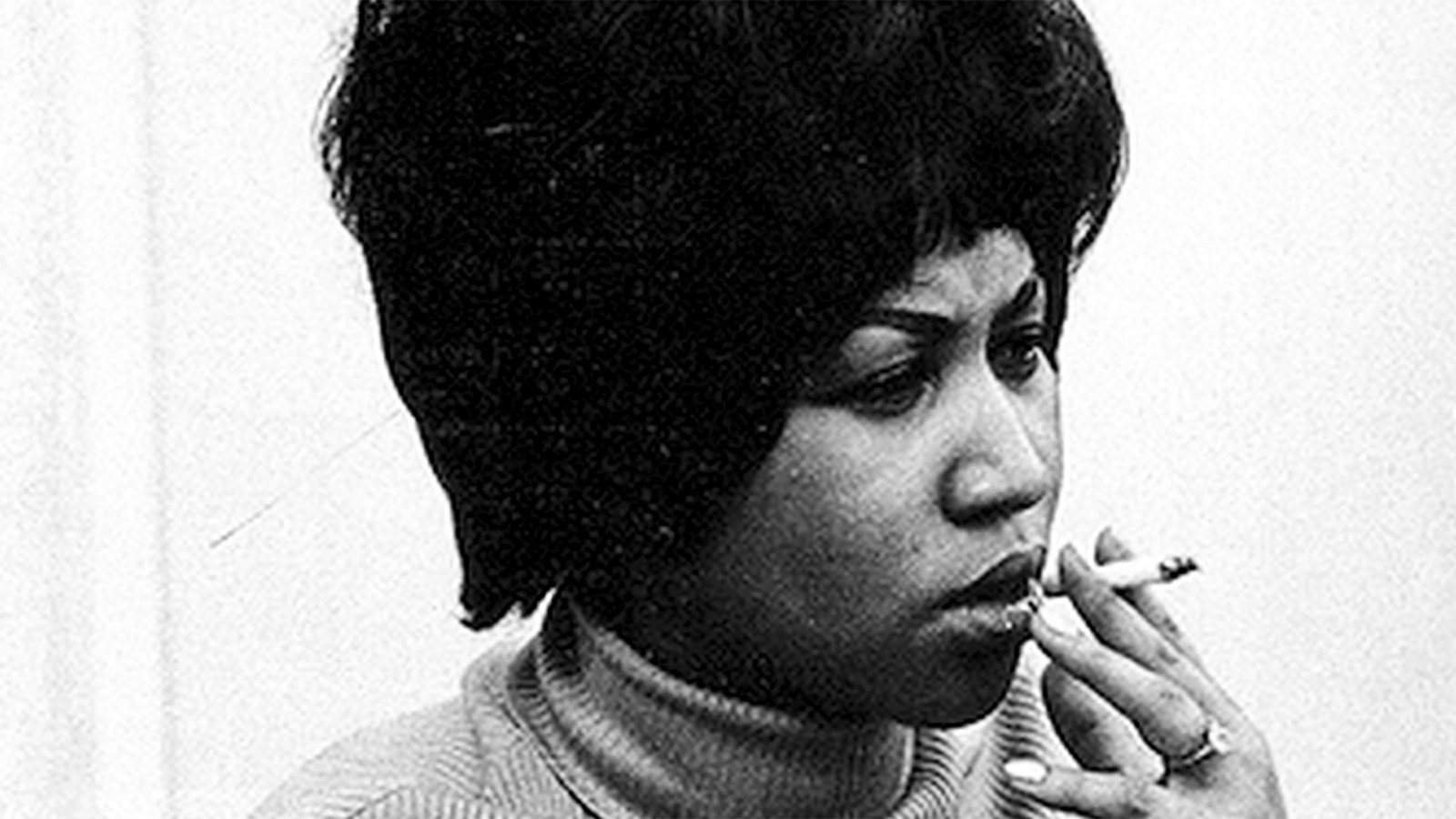
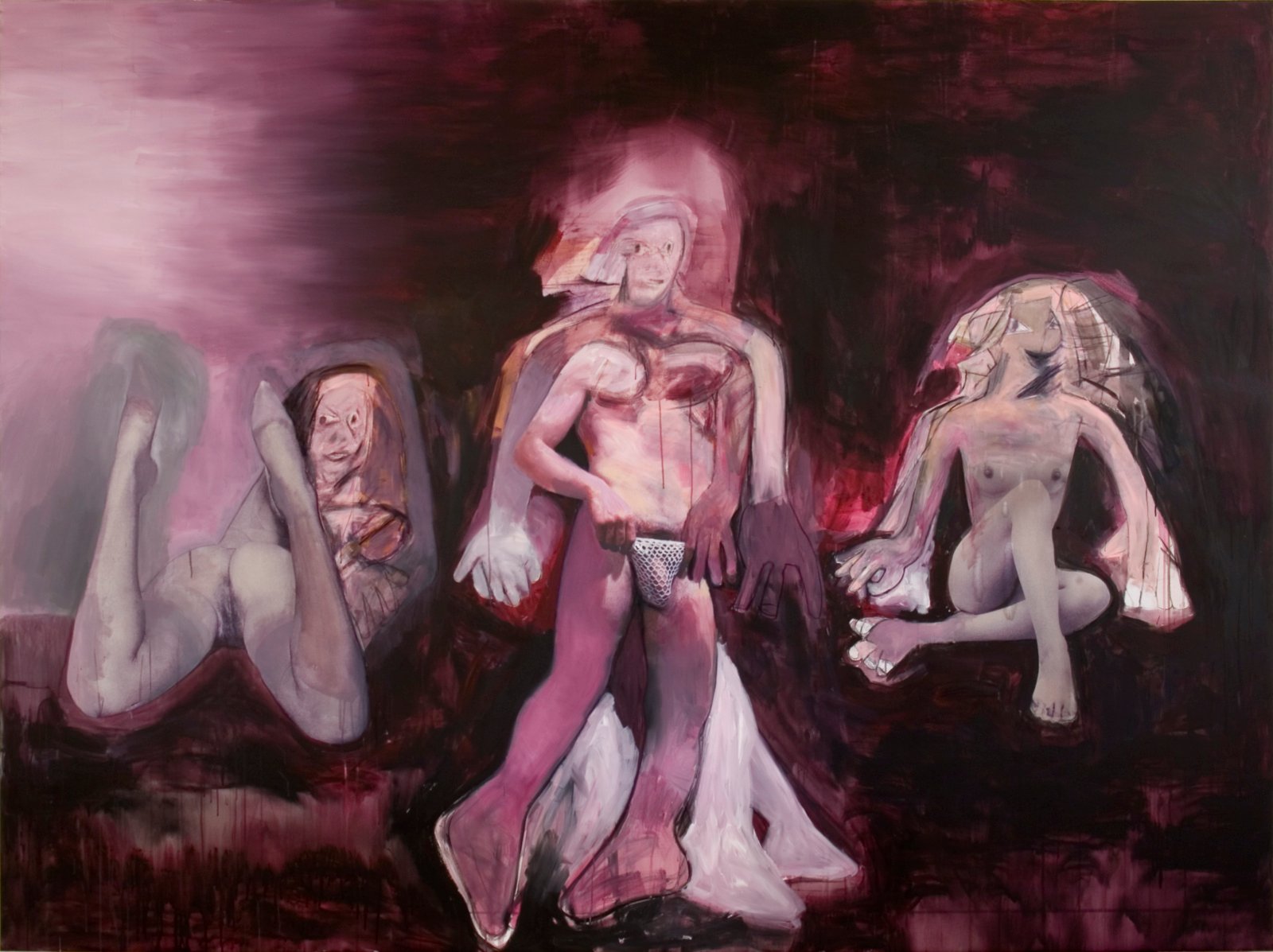
The conceptual scaffolding of this show is built on appropriation, of course. Jafa (b. 1960) and Prince (b. 1949), a decade apart in age, are positioned by Spector as shared inheritors of Duchamp’s readymade – his shift from making to taking recast here as a kind of artistic piracy, an image scavenging without permission. Prince has spent four decades working over the mechanisms of American desire and white masculinity, from his rephotographed Marlboro cowboys to the Instagram grabs that eventually landed him in well documented legal trouble. Jafa, meanwhile, has spent a considerable time wrangling the accumulated visual archive of Black American life into something considerably heavier: the emotionally devastating charge of Love Is the Message, the Message Is Death alone would be reason enough to take this show seriously.
What holds the exhibition together, finally, is its subject: America itself, in all its grit and grift, its death and its despair, its subcultures and its self-mythology. And here is where the exhibition’s real difficulty surfaces, one it gestures toward rather too obliquely for comfort. In the absence of any serious American Pavilion this year (stripped funding, political neutrality under Trump’s American juggernaut of cultural destruction), the whispers around the lagoon pitched this exhibition as the unofficial American pavilion, and that is what it felt like.
Whilst dividing the two artists’ contributions along racial lines might feel on the surface almost too obvious to need pointing out – it is precisely that obviousness that could be considered part of the problem here. To stage a dialogue between a Black artist excavating the trauma and transcendence of Black American life and a white artist circling the iconography of white American masculinity is to accept a kind of asymmetry that can’t really be made neutral by curatorial goodwill alone. The works do not occupy the same political ground, and to its credit, the exhibition doesn’t pretend they do. But juxtaposition flattens as easily as it illuminates. Placing Jafa’s grief beside Prince’s irony risks aestheticising the former while lending the latter a gravitas that sometimes feels inseparable from the prestige he has accumulated within the art world itself.
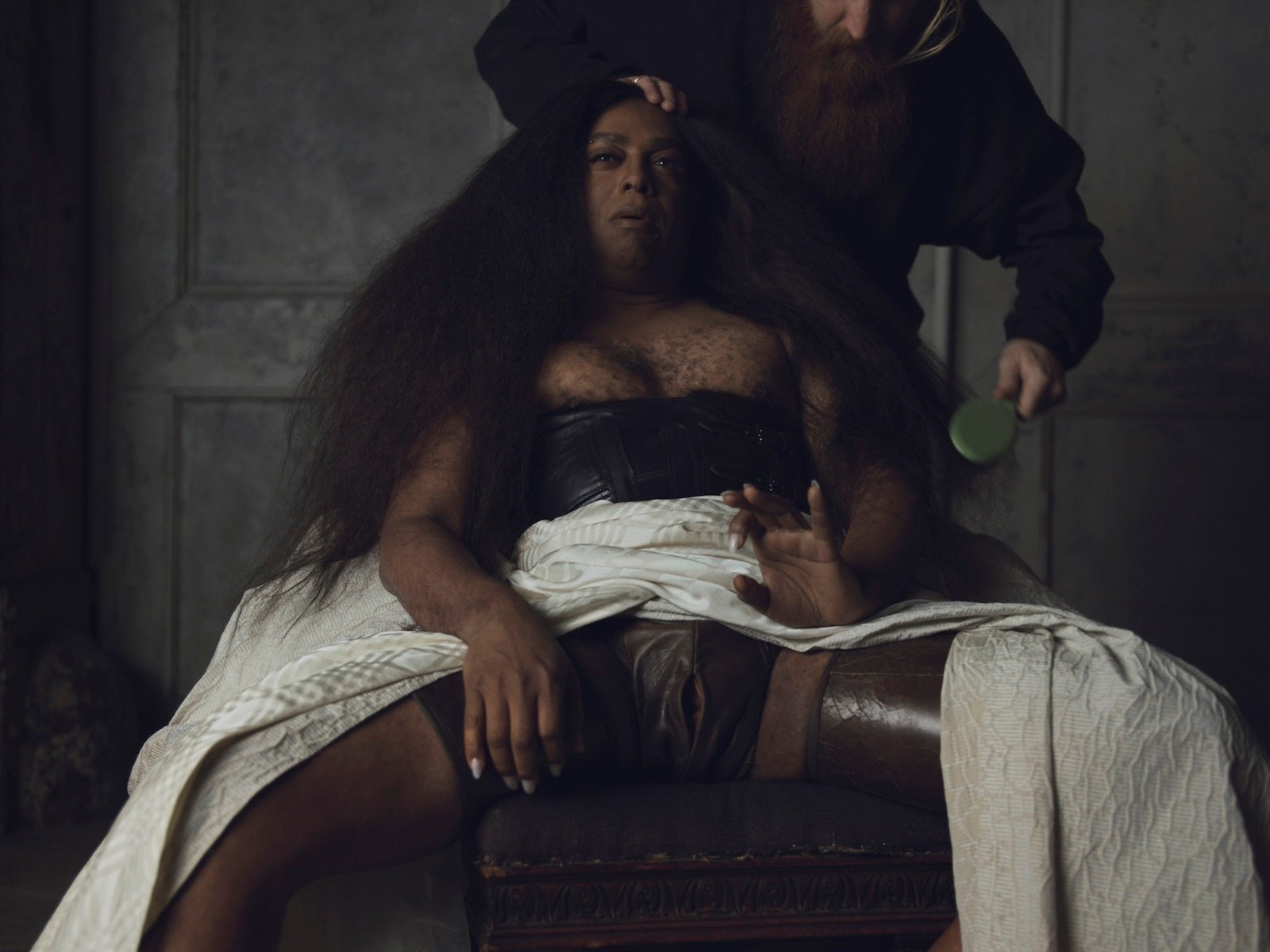
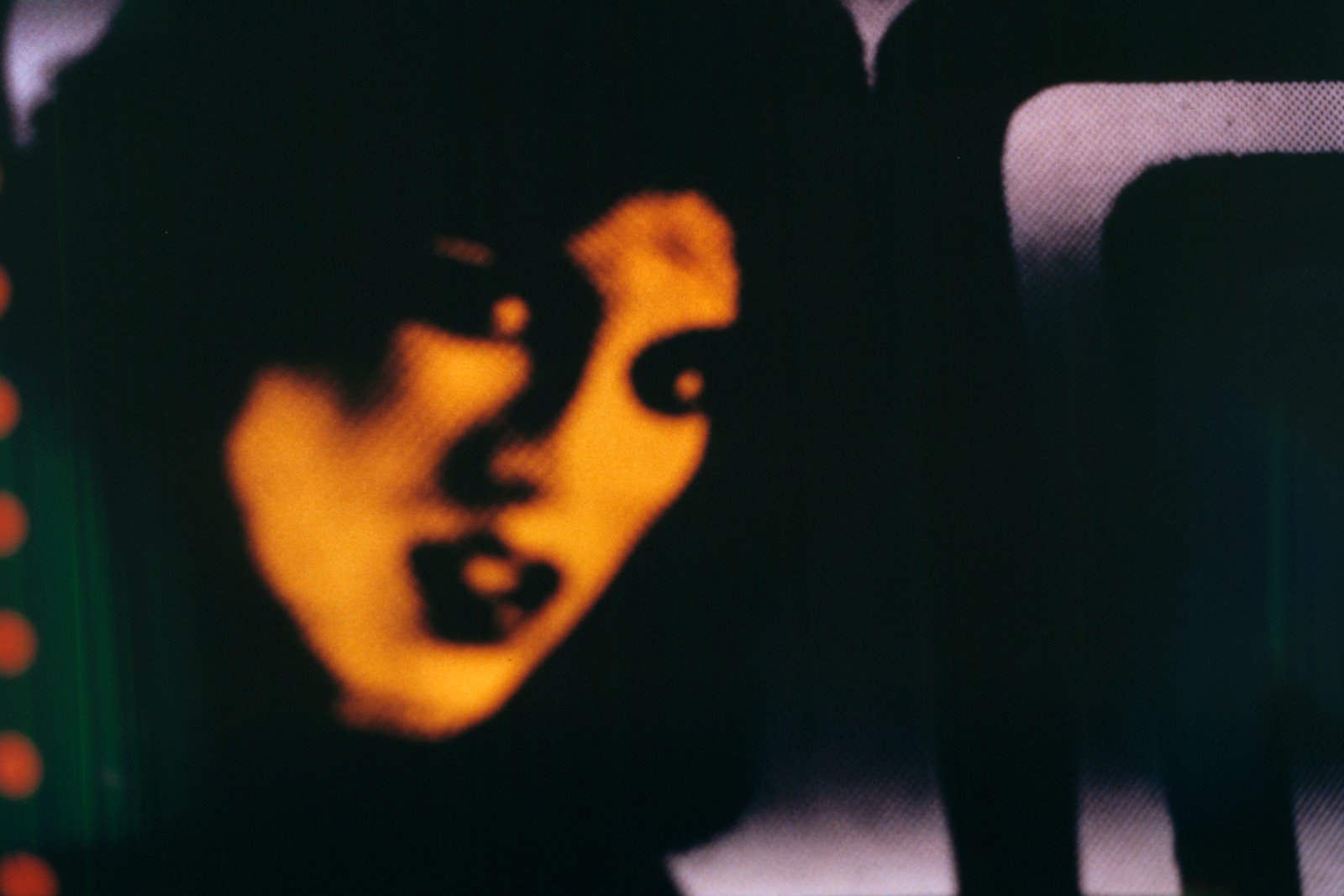
This tension crystallised more sharply than not in the room projecting Love Is the Message, the Message Is Death (2016) – for my money the most important artist’s film of the last decade, and perhaps the true fulcrum the rest of the exhibition quietly springs out from. Built from found footage, dashcam recordings, viral clips and scored to Kanye West’s Ultralight Beam, the piece refuses the viewer any settled emotional register. Joy and catastrophe are cut so close together that we smile, cry and shake our heads in rage at the injustice fundamentally embedded in the machinary of the richest nation on the planet. Black death and Black joy pinned to each other by the gaze of the watching world, especially as it circulates online. Christina Knight has pushed back against reading the film only in the spectacle of Black suffering. For Black viewers, she suggests, it’s the collapse of joy and violence that registers as a mode of recognition within contemporary America. The film’s force lies in refusing to resolve that ambiguity. It seeks discomfort; to pull and wrench at our capacity to access an empathic register. Placed rooms away from Prince’s cooler, more ironic material, Jafa’s film would simply suck everything into its orbit, if it weren’t isolated as we find it here.
The exhibition’s title, “Helter Skelter”, carries a troubled history: a McCartney penned Beatles song from The White Album, the phrase Charles Manson seized on to prophesy an apocalyptic race war and the title of a 1992 MOCA exhibition, criticised for excluding Black artists. To reclaim the phrase now, for an exhibition co-headlined by a Black artist, is a pointed corrective. Spector calls it an unruly readymade. It’s certainly apt: taking a contaminated cultural object and converting it, through selection alone, into a frame for critique.
The exhibition’s most intimate offering is a collaboratively conceived zine, assembled from images the two artists exchanged while the show was being built. It feels like a record of two sensibilities testing out common ground in real time, rather than being paired retrospectively by curatorial fiat. It’s a small thing, but it does more to demonstrate genuine exchange than anything in the surrounding rooms. I recently chanced upon a video interview with Jafa, who with his greying cornrows, suggests that “when I grow up, I want to be like Richard Prince.” The affection and debt he sees in the groundwork Prince laid out is palpable in his smiling, straightforward and somewhat cheeky demeanor.
During Biennale week, Venice now belongs as much to Prada, Pinault’s twin outposts at Palazzo Grassi and Punta della Dogana and a widening cast of private foundations as it does to the Biennale’s own, always slightly uneasy system of national pavilions. This parallel, better-funded circuit increasingly sets the terms for what gets discussed, photographed and remembered from any given edition. Just as Jafa and Prince take images without asking permission, these foundations have taken hold of the city’s civic and historic fabric, converting Venice itself into something closer to a readymade backdrop for brand-building than a neutral host – can there ever be one? Whether that’s cause for cynicism or simply the current condition of how large-scale contemporary art gets seen at all, is a harder question than this show, or this city, seems able to answer at this moment. Certainly, the strongest offerings this year came from such spaces.
Helter Skelter seems to reward a good measure of skepticism. The Ca’ Corner della Regina, with its faded grandeur, makes an apt stage – a European palazzo hosting an exposé of American myth, the old world reflecting the new world’s chaos back at itself. The asymmetries between Jafa and Prince, of race, of register, of stakes, are real, and the show is most honest when it leaves them unresolved. What it offers is not a neat little thesis on appropriation but two radically different pairs of eyes that happen to share a method. Whether the affinity is truly elective, or simply convenient, the encounter generates real heat, and left me questioning whether all these issues actually need to be ironed out ahead of time, or if it’s our job as viewers to take command of that unresolved tension, and roll with it.
All images courtesy of Fondazione Prada Ca’ Corner della Regina, Venice.
Helter Skelter: Arthur Jafa and Richard Prince runs 9 May–23 November 2026 at Ca’ Corner della Regina, Venice.
—
Peter Watkins is an artist and educator based in Prague, Czech Republic. Watkins received his MA in Photography at the Royal College of Art in 2014, and has since exhibited his work internationally, receiving several awards for his ongoing practice. His work is held in the collections of the Victoria & Albert Museum, London, and Fotomuseum Winterthur, Switzerland. His book The Unforgetting was published by Skinnerboox in 2020. He is currently teaching at FAMU, Prague.
Images:
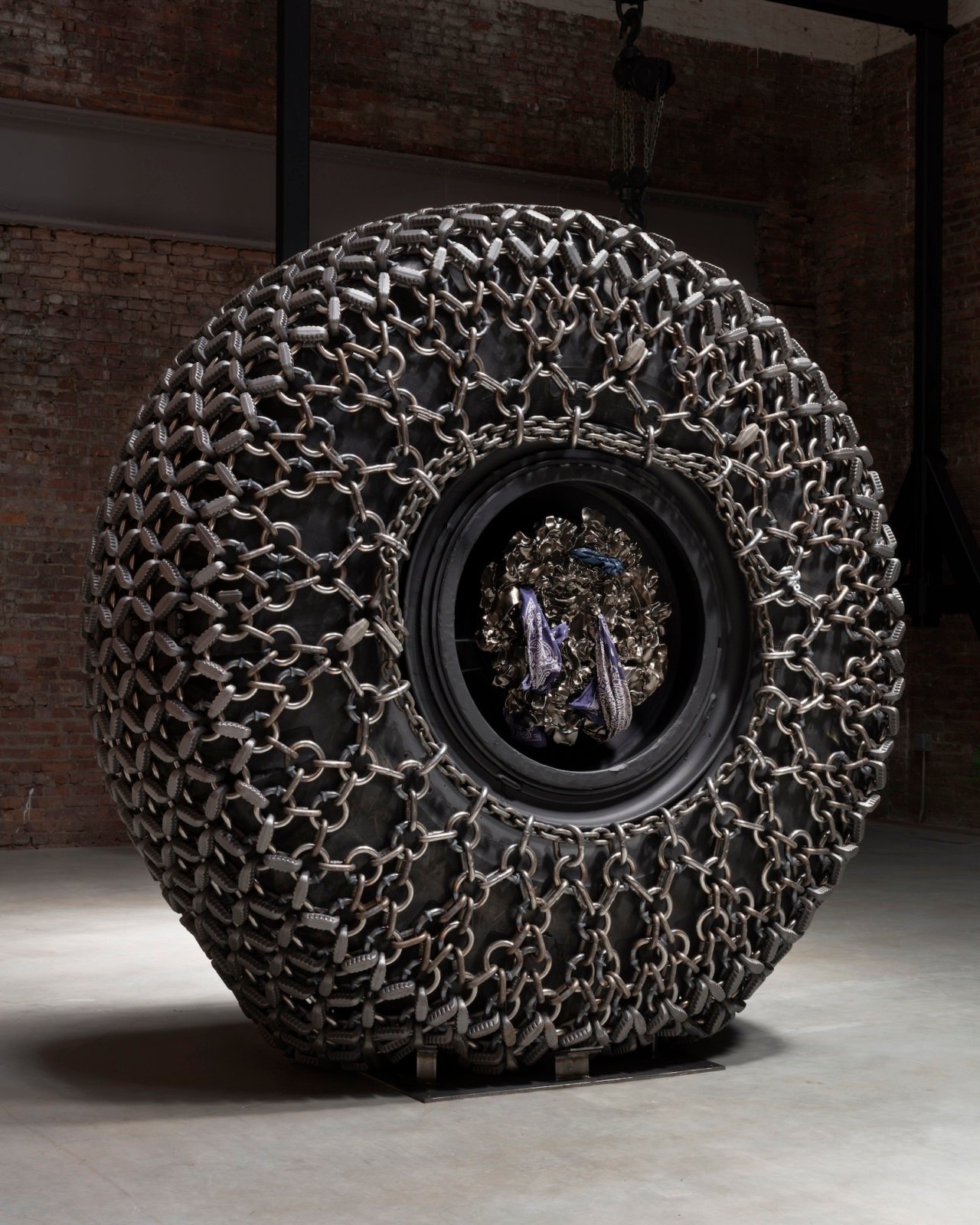
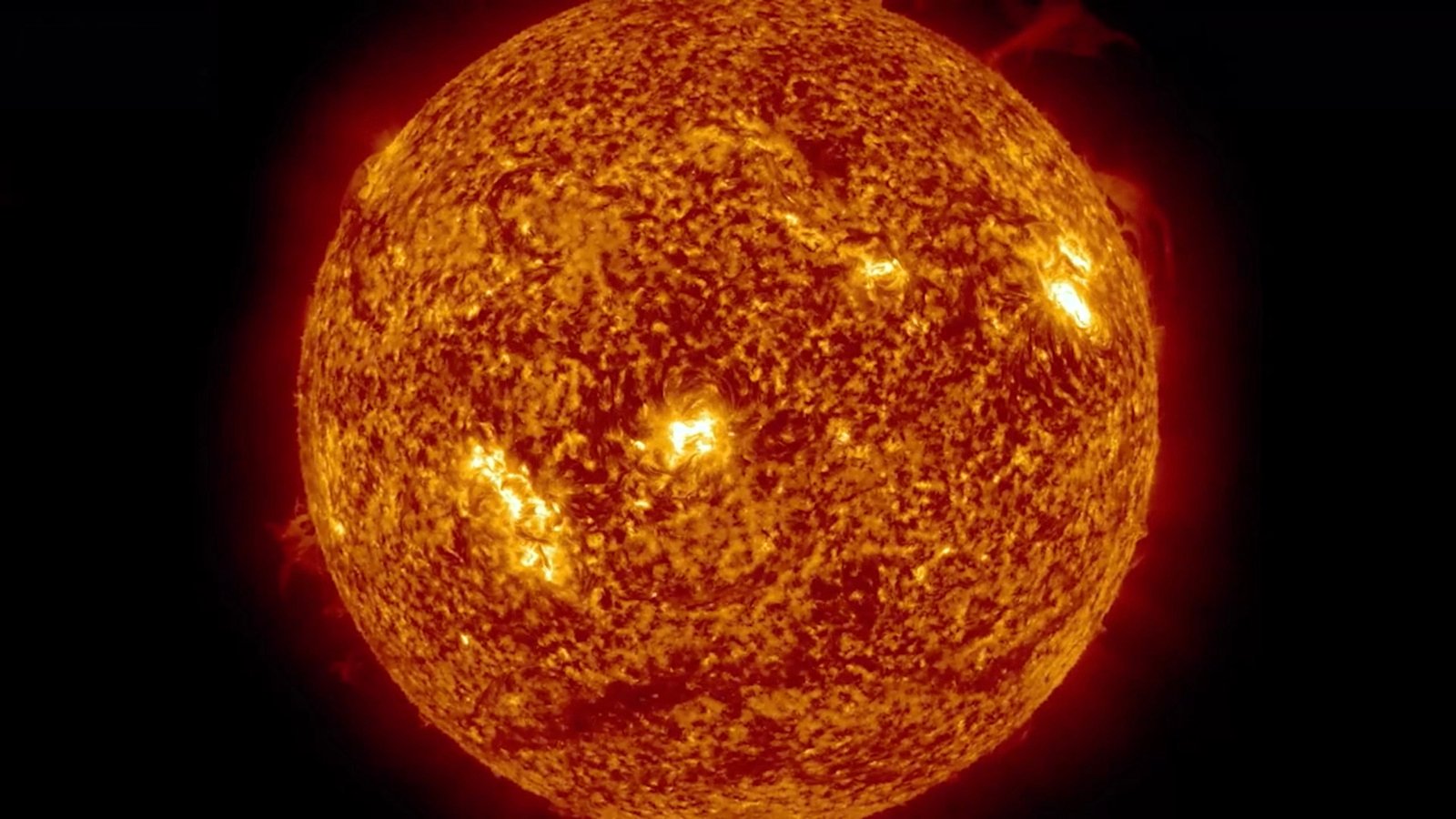
1-Arthur Jafa, Big Wheel II, 2018 © Arthur Jafa
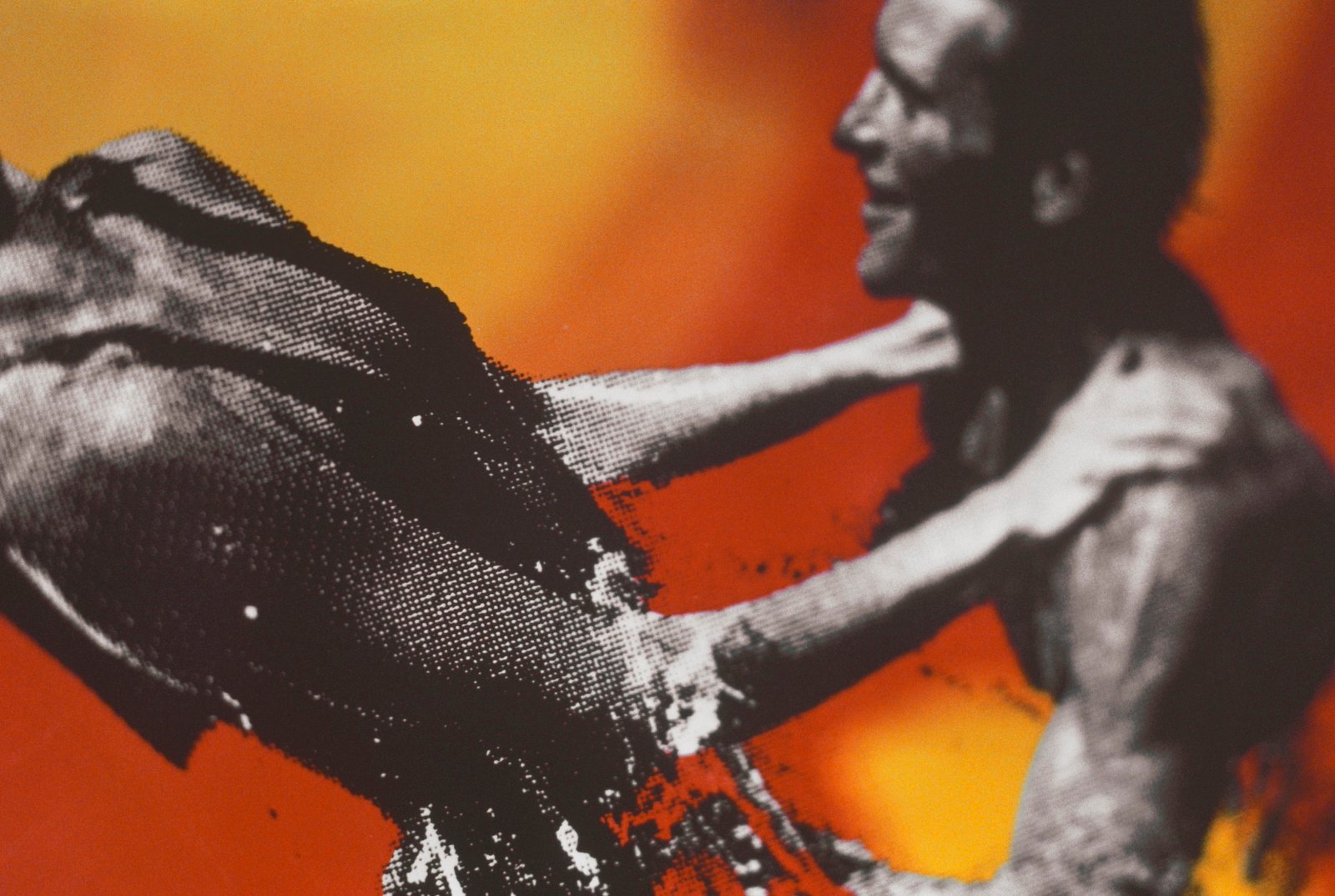
2-Richard Prince, Folk Songs, 2006 © Richard Prince
3- Arthur Jafa, Love Is The Message, The Message Is Death, 2026 © Arthur Jafa
4-Richard Prince, Untitled (Sunsets), 1981-82 © Richard Prince
5-Arthur Jafa, Man Monster – Duffy, 2018 © Arthur Jafa
6-Richard Prince, Untitled (de Kooning), 2006 © Richard Prince
7-Arthur Jafa, The White Album, 2018 © Arthur Jafa
8-Arthur Jafa, SloPEX, 2023 © Arthur Jafa
9-Arthur Jafa, SloPEX, 2023 © Arthur Jafa
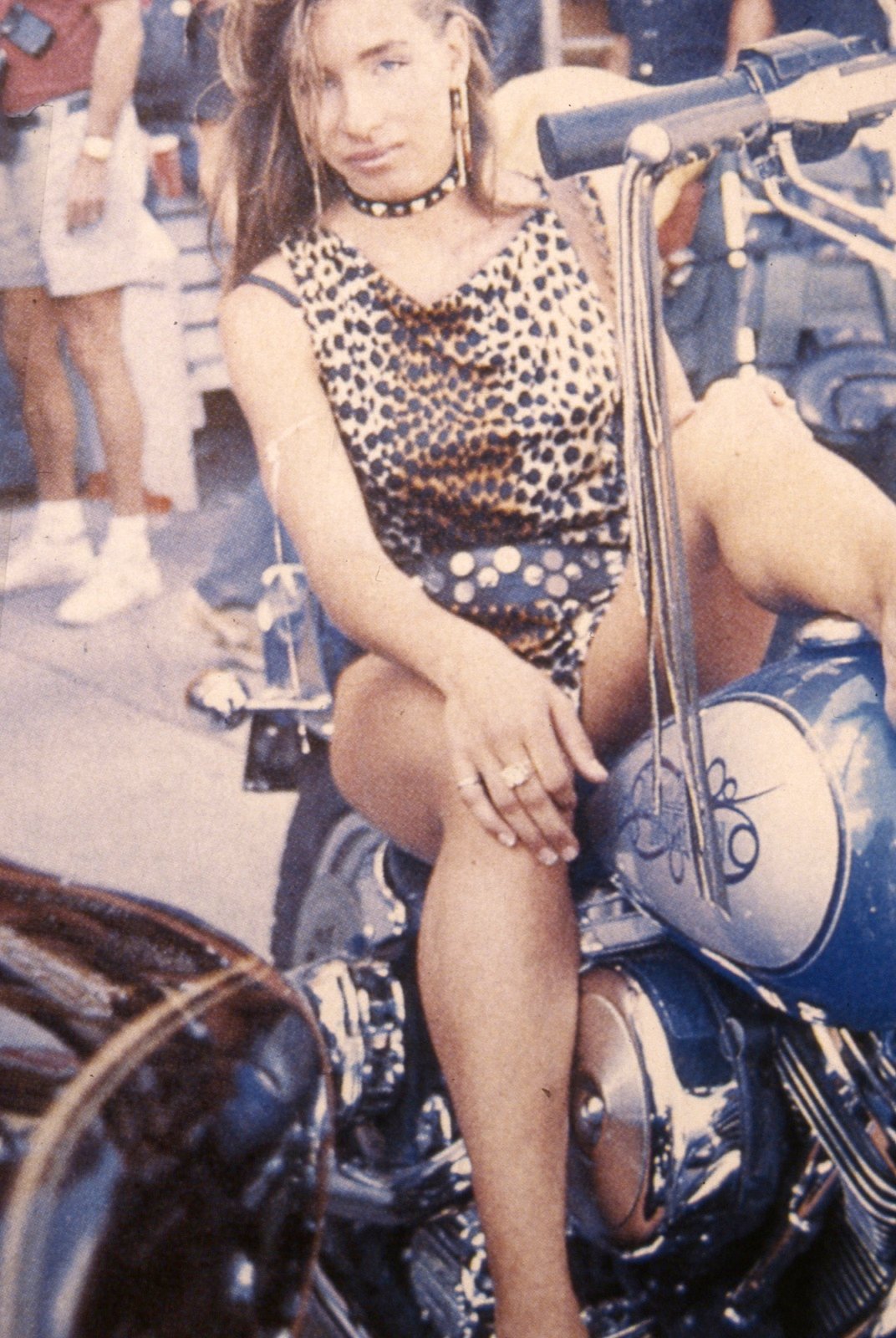
10-Richard Prince, Untitled (Girlfriend), 1993 © Richard Prince
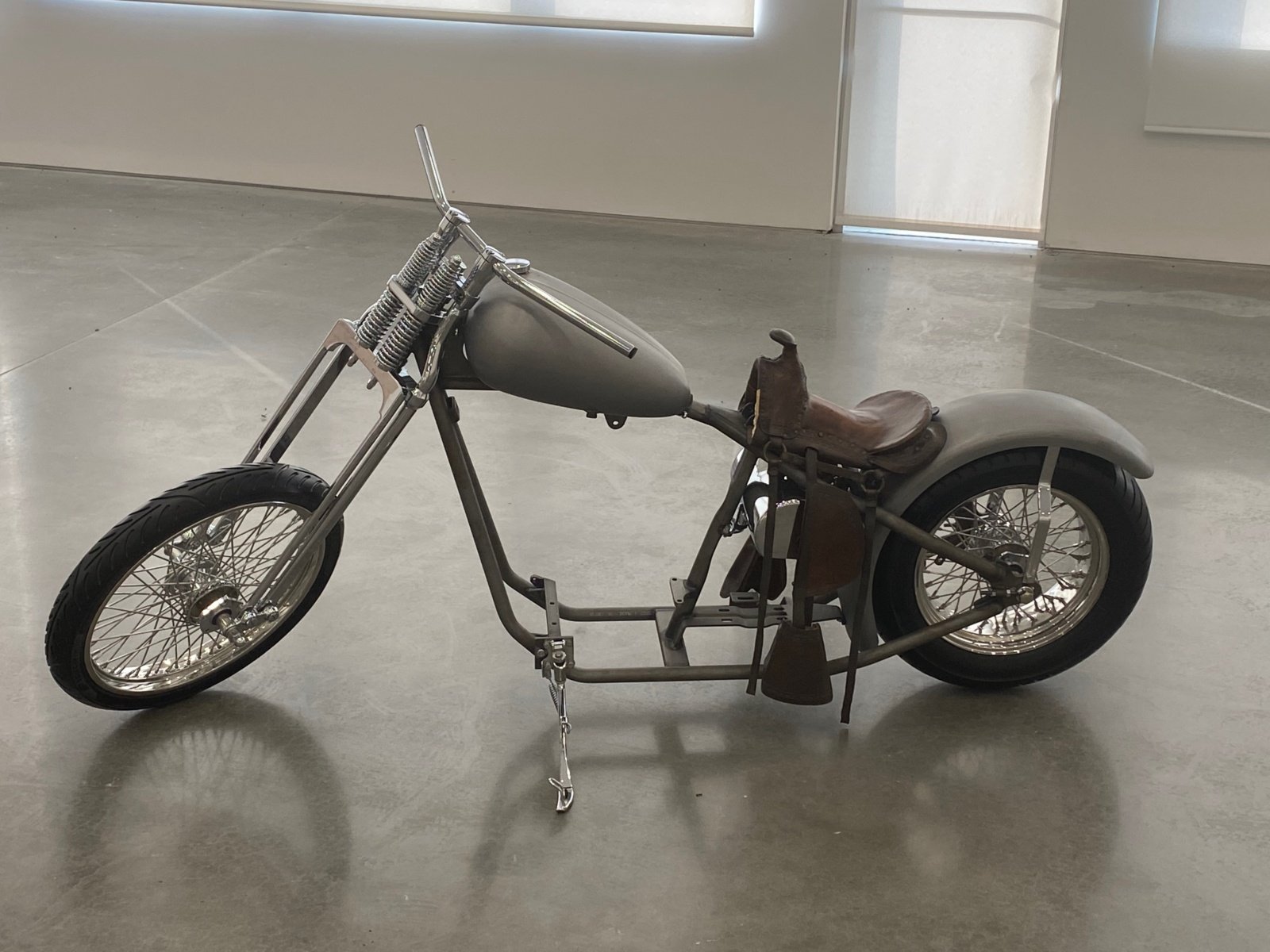
11-Richard Prince, Untitled, 2018-20 © Richard Prince
12-Richard Prince, Lilo, 1983 © Richard Prince
13-Richard Prince, Untitled (Protest Painting), 1994 © Richard Prince
1000 Words favourites
• Renée Mussai on exhibitions as sites of dialogue, critique and activism
• Roxana Marcoci navigates curatorial practice in the digital age
• Tanvi Mishra reviews Felipe Romero Beltrán’s Dialect
• Discover London’s top five photography galleries
• Tim Clark in conversation with Hayward Gallery’s Ralph Rugoff on Hiroshi Sugimoto
• Academic rigour and essayistic freedom as told by Taous Dahmani
• Shana Lopes reviews Agnieszka Sosnowska’s För
• Valentina Abenavoli discusses photobooks and community
• Michael Grieve considers Ute Mahler and Werner Mahler’s posthumous collaboration with their late family member
• Elisa Medde on Taysir Batniji’s images of glitched video calls from Gaza
Join us on Patreon today and be part of shaping the future of photographic discourse


