

Against nostalgia: Tish Murtha and Kuba Ryniewicz at Baltic, Gateshead
Close to Home, the Baltic Centre for Contemporary Art’s latest exhibition, pairs Tish Murtha’s tender, furious social documentary with Kuba Ryniewicz’s queer, exuberant visions of joy, intimacy and resistance. Bringing two generations of marginalised lives into unexpected dialogue, the exhibition asks what it means to photograph a community – and who gets to shape its history – while offering a chance to rethink Northern working-class imagery beyond familiar narratives of deprivation, towards a history that is more plural, unruly and still being made, Lillian Wilkie writes.
Lillian Wilkie | Exhibition review | 17 September 2026
Join us on Patreon
In January of this year, Newcastle’s storied Side Gallery, the UK’s only photography gallery dedicated to stories of working-class life, which had been shuttered since 2023, announced a collaborative curatorial partnership with the Baltic Centre for Contemporary Art. Despite a fraught and controversial few years, Side and its original owner, the Amber Film & Photography Collective, have had an unquestionable influence on late-20th-century British social documentary photography. The work they championed has shaped the public consciousness around industrial communities in the North East, and contributed to a popular cultural image of what an industrial community might look like.
Amber was formed in 1968 in London by a group of humanist documentary filmmakers, who relocated the following year to Newcastle with a view to preserving the stories of working-class and marginalised communities during Britain’s great deindustrialisation. Founding member Sirkka-Liisa Konttinen introduced still photography to the collective’s activities, and in 1977 Side Gallery was opened. Killip had moved to Newcastle in 1975 on a two-year Northern Arts photography fellowship and remained there for 15 years. As Side’s director from 1977-79, he brought the work of luminaries such as Imogen Cunningham, August Sander, Walker Evans, Henri Cartier-Bresson, and Martine Franck to Newcastle. In 1979, Killip staged an exhibition by a then little-known local photographer called Tish Murtha, whose Juvenile Jazz Bands project had been developed as part of a government-funded community photography scheme.
Born in nearby South Shields, Murtha had recently returned to Newcastle from her studies at the School of Documentary Photography in Newport. Course leader, Magnum member David Hurn, famously recalled her application interview: “I asked her what she wanted to photograph and she said: ‘I want to take pictures of policemen kicking children,’ and I said, ‘You’re in’”. Murtha was acutely conscious of the everyday violence meted out by the state on working-class communities. One of ten children, she had seen her siblings and close relatives profoundly affected by the loss of long-standing manufacturing industries on Tyneside, and the subsequent joblessness, disenfranchisement and extreme poverty. Nevertheless, the work she has become known for eschews gratuitous depictions of the misery brought about by the post-war economic downturn, globalisation, Thatcherite policy, and their negative multiplier effects. Tragically, her work was under-recognised in her lifetime, and she died in 2013, aged just 56.
Side’s curatorial tenancy will see its team co-curate a series of exhibitions at Baltic that focus on contemporary working-class photography, beginning in 2027. Baltic has shown a renewed commitment to photography in recent years, including major exhibitions by Chris Killip and Frankie Raffles. This June, they opened Close to Home, which brings Murtha’s work into dialogue with that of the Polish photographer Kuba Ryniewicz. It is, surprisingly, Murtha’s first major institutional exhibition in the North East.
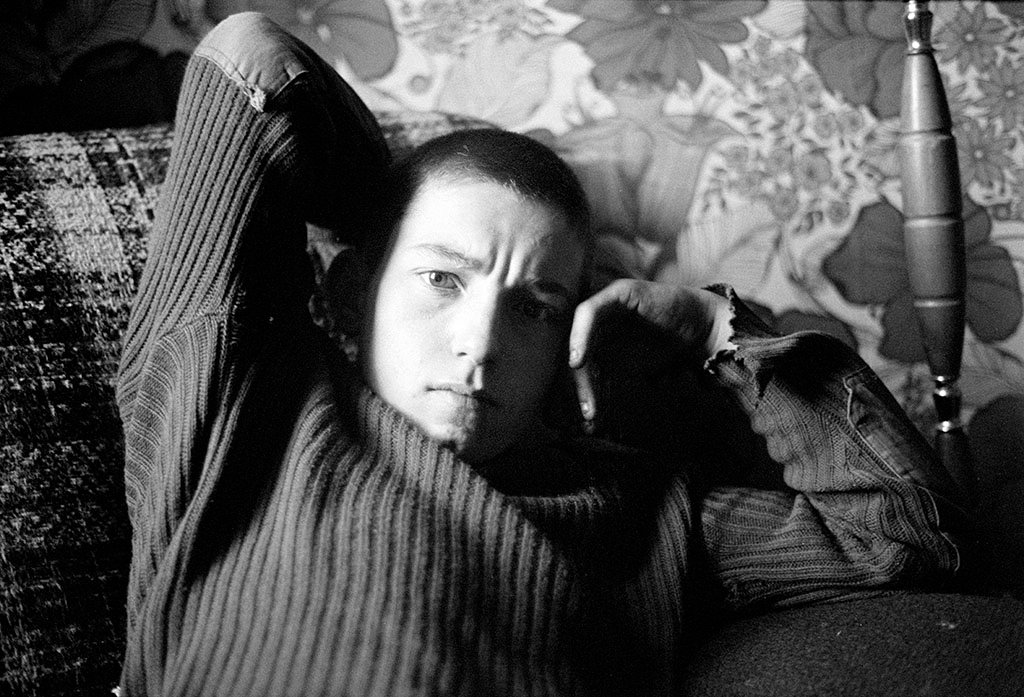
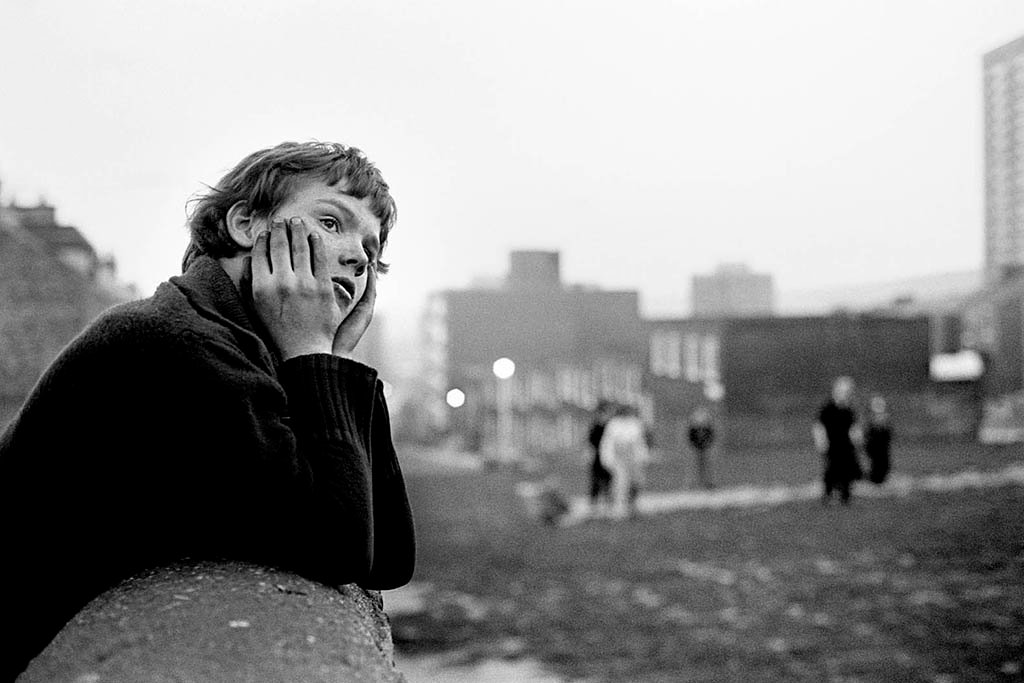
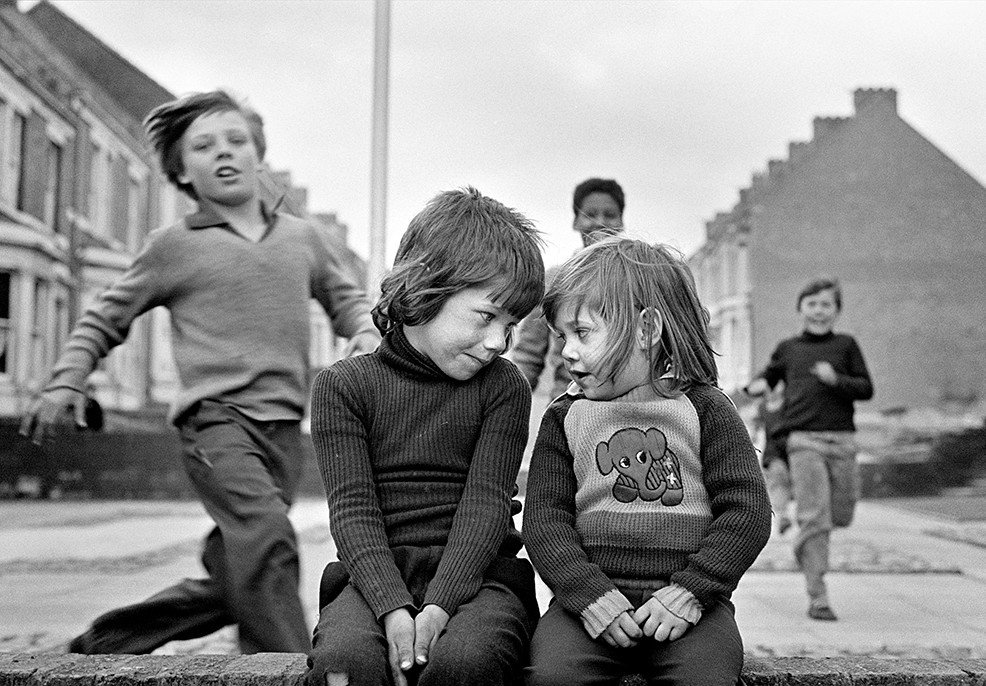
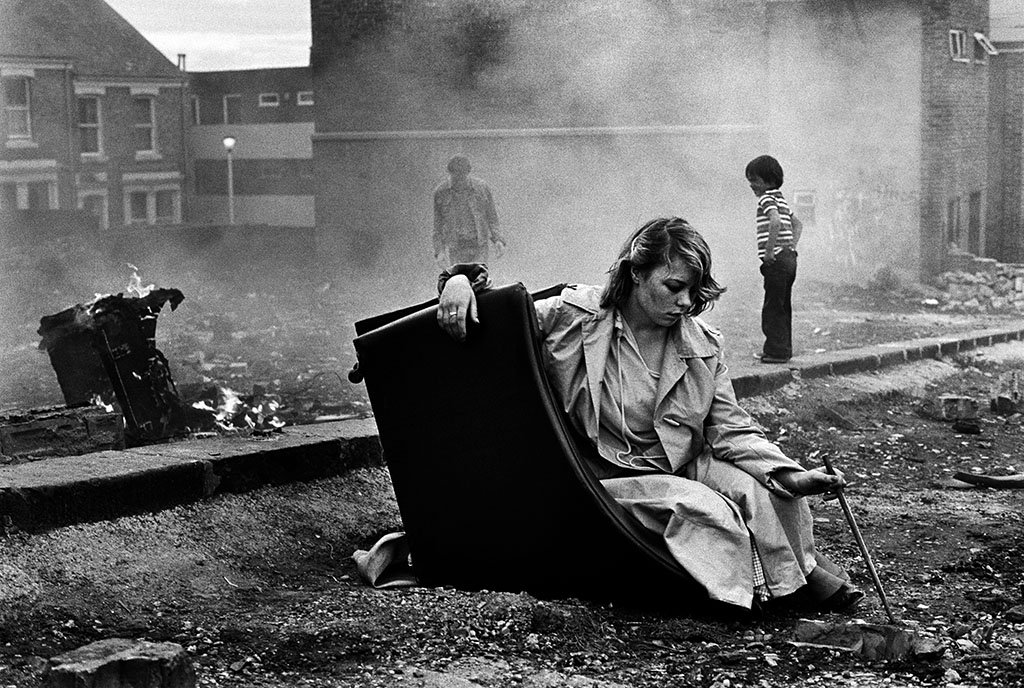
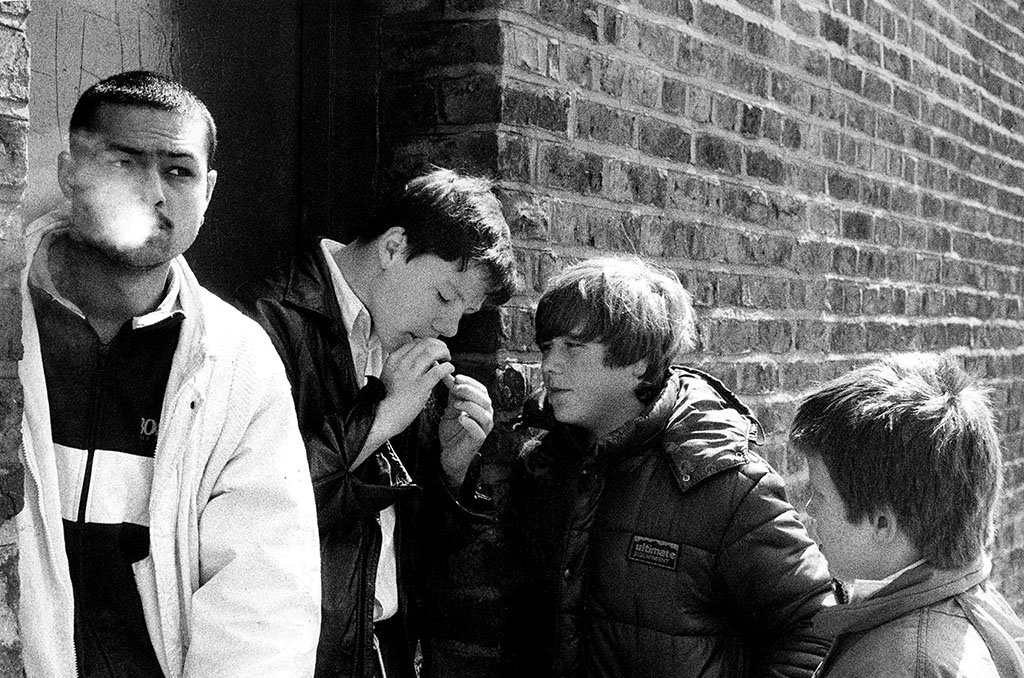
Upon entering, visitors encounter a huge wallpaper reproduction of young siblings Richard and Louise, from Murtha’s celebrated series Elswick Kids. The youngsters, both no older than five, gaze adoringly at each other, as other children from the neighbourhood charge around in play. The series was the first she made upon her return to Newcastle, and it explored the strong social bonds, intergenerational ties, mischief, and resourcefulness in the streets around where she lived. There is a tender, conspiratorial quality to Murtha’s photographs, and not just of children; her gaze is not one of a paternalistic outsider but a friend or neighbour, sharing in the community’s suffering and solidarity. But it belied the rage and fear she felt at how so many lives had been considered expendable. Writing about a second project, Youth Unemployment, which she produced under the same government scheme with Side, Murtha’s words are, gallingly, just as prescient today: “There are barbaric and reactionary forces in our society, who will not be slow to make political capital from an embittered youth. Unemployed, bored, embittered, and angry young men and women are fuel for the fire.”
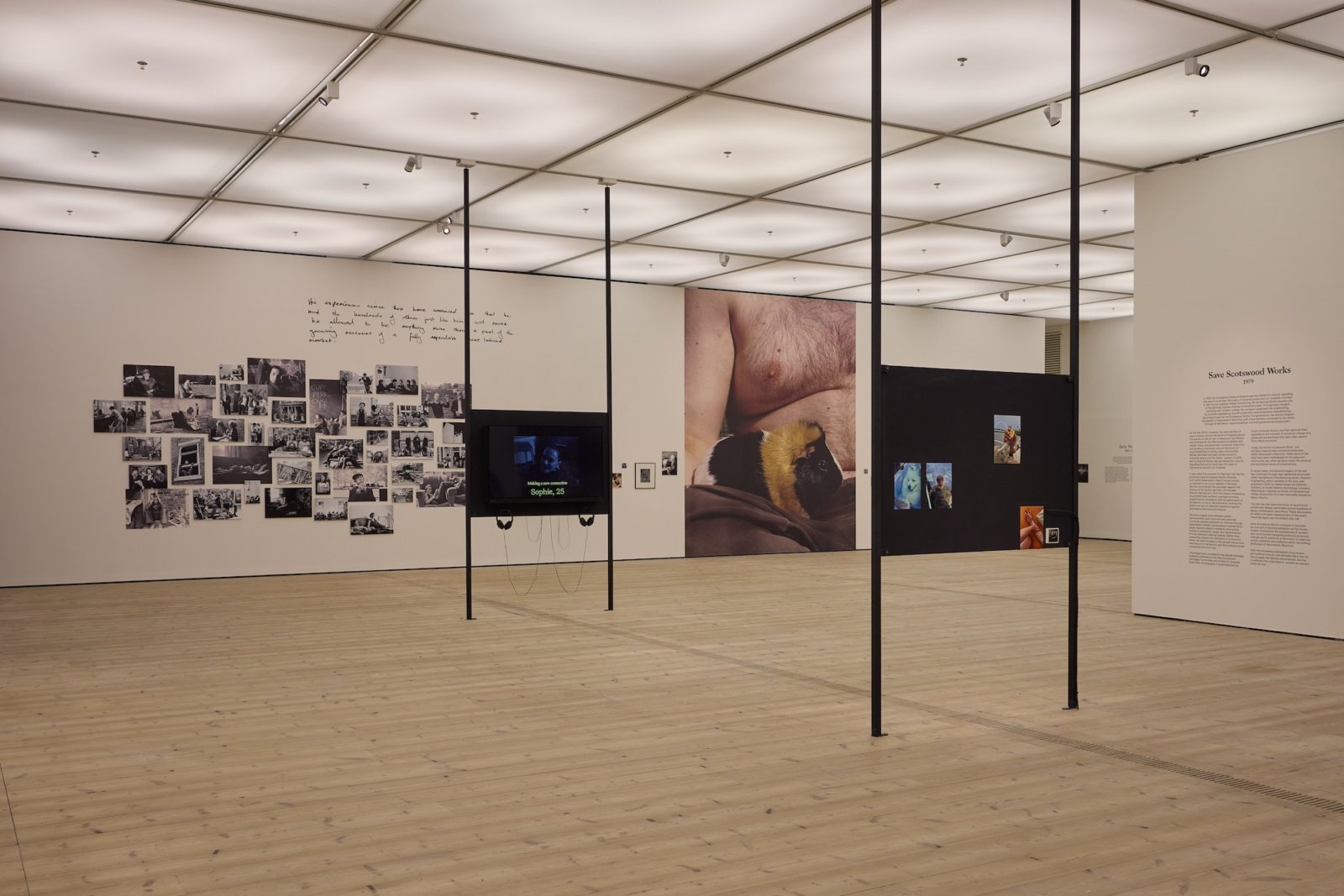
Two other projects are on display in full for the first time. Save Scotswood Works documents the local workforce’s struggle to save Elswick’s major industrial employer. The works had manufactured locomotives, ships, aircraft, and armaments since 1847 but, by 1979, they were slated for closure. The photographs were commissioned by Tyneside Housing Aid Centre and originally published across a series of pamphlets, which are also on display. They detail the impact of the loss of industry, and the new Conservative government’s inaction in providing alternative employment, on the lives and health of children. Murtha produced the fourth series, Elswick Revisited, 10 years later, and here we encounter a diversity sorely missing from much of the social documentary photography which has come to define working-class communities in the North East. Exploring the community’s changing demographics and cultural influences, Murtha’s warning from a decade earlier about reactionary forces in society rings painfully true, as Black and south Asian communities faced the overlapping indignities of poverty and racist violence.
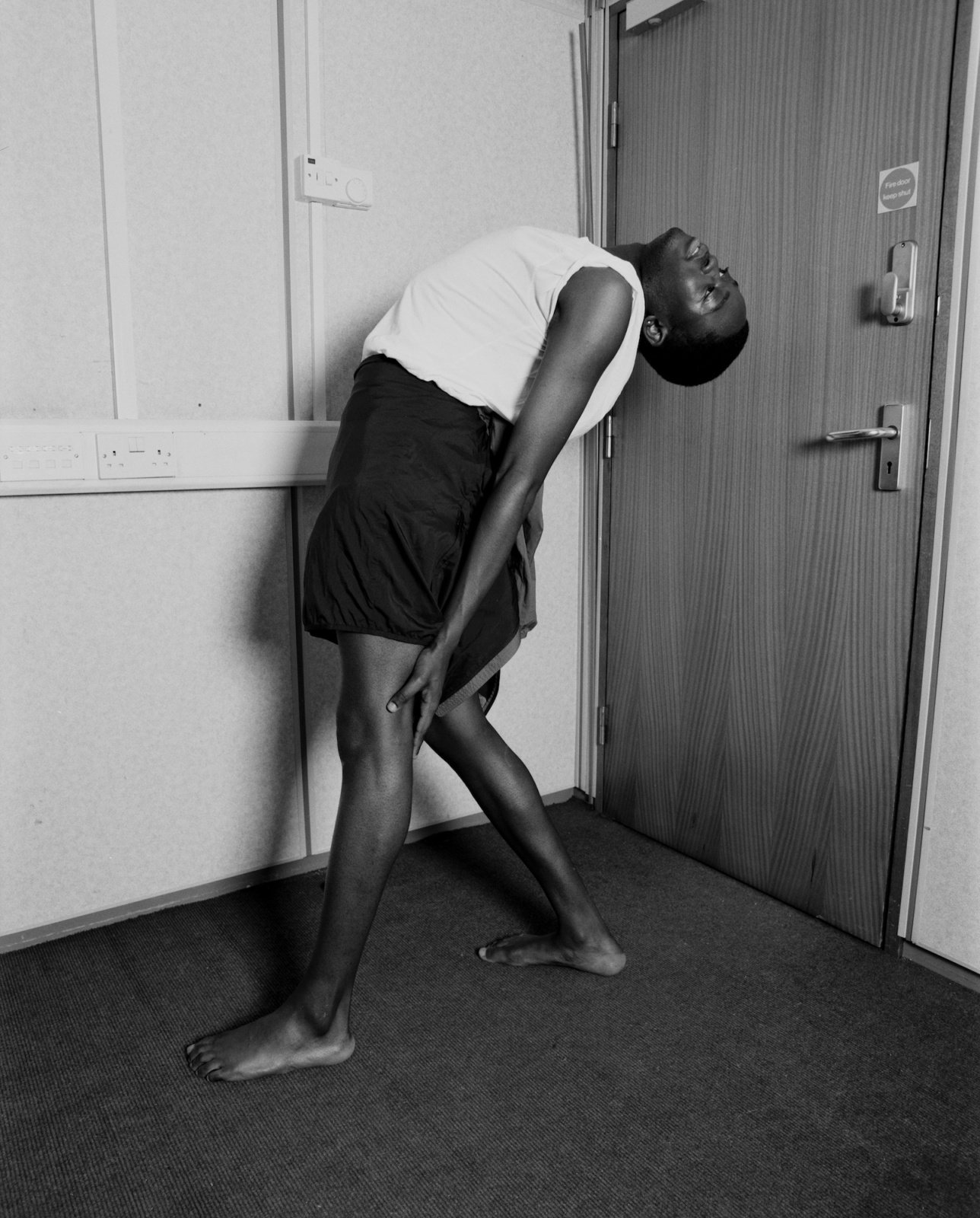
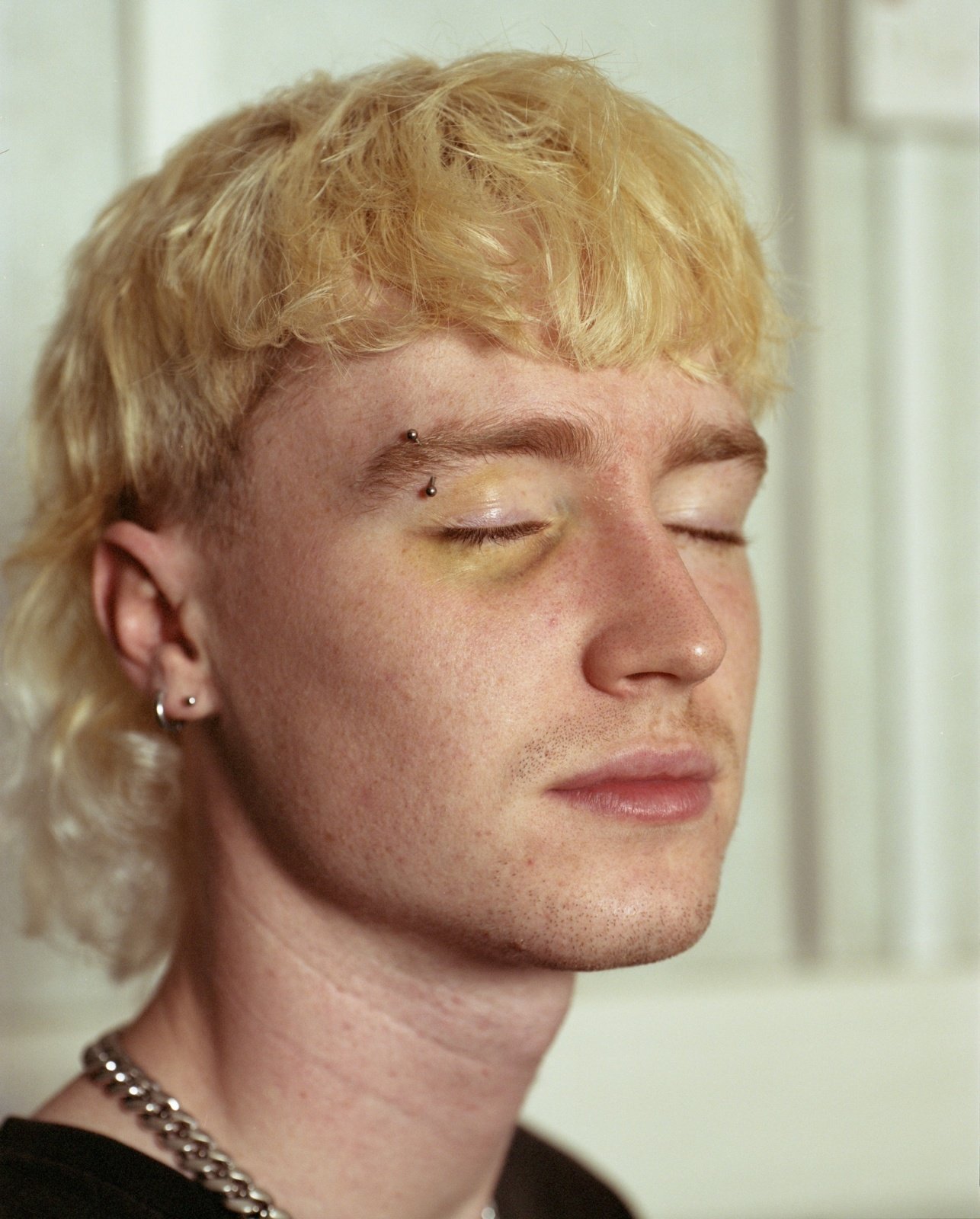
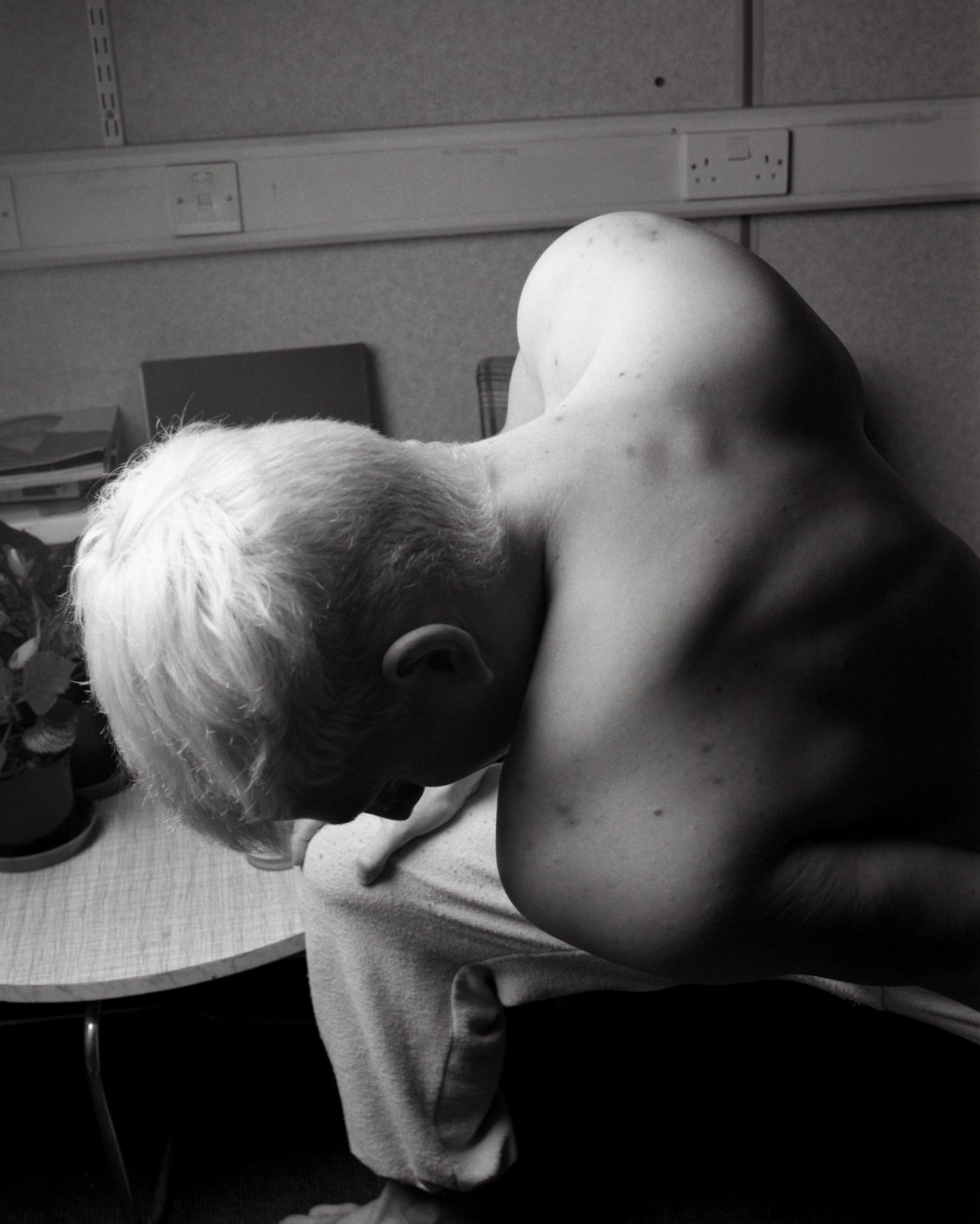
Adjacent to another wallpapered image from the Scotswood marches, a freestanding monitor shows a series of silent film portraits of individuals at a queer nightclub, shot on nostalgic High8 cassette. It’s a new commission by the Polish photographer Kuba Ryniewicz, who has been based in Newcastle since 2004, and whose work Close to Home brings into dialogue with Murtha’s. Those looking for highly legible narrative threads between Murtha and Ryniewicz’s prolific practices may leave the gallery confused; to me, the lack of overarching thematic relationship between the two barely seems to matter. Both photograph people, yes; both engage with marginalised groups and enshrine their stories, in Ryniewicz’s case working-class queer communities in Newcastle and beyond. Both accentuate the human capacity for joy and silliness against all odds. But it’s more enlightening to draw formal or conceptual links between individual works, made decades apart: viewing Ryniewicz’s slowly dancing, smoking, or chatting subjects, so many of them content in their own manifestations of gender, set against historically familiar black and white imagery of labour struggle, reminds us that nightlife, too, is a form of protest, a demand for liberation and visibility.
Whilst Murtha’s work is generally arranged in unframed clusters, as if tacked to the wall by Murtha herself, Ryniewicz’s flows through the gallery, seeping into corners and emergency exits, even the toilets. It feels fitting for an artist whose work, which incorporates fashion campaigns and contributions to magazines such as Butt and Fantastic Man, alongside personal and often graphically intimate depictions of friends and lovers, is not often afforded a place within major institutions. There are reasonable comparisons with artists such as Wolfgang Tillmans (now an institutional mainstay), especially in the installation of prints of various sizes and formats that collapse distinctions between personal and commercial. But whilst Tillmans fills major museums with lyrical dispatches from the artist studios and afterparties of the 1990s, Ryniewicz’s images are of the here and now, a living history of queer joy, creative collaboration and marginalised sexuality.
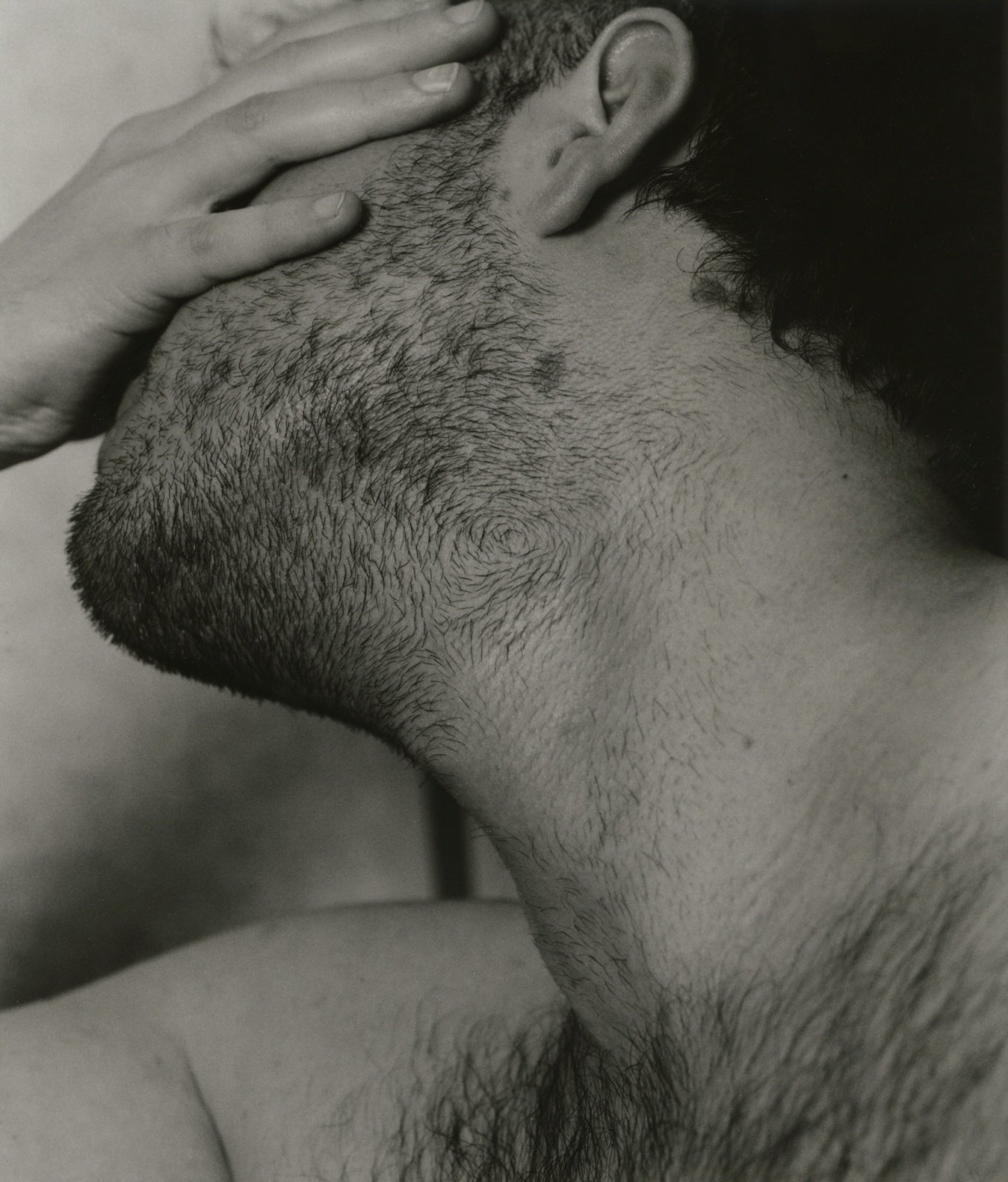
Whilst wall texts introduce the three major bodies of work on display – Cornered Study, Daily Weeding and Good Eggs – the installation disaggregates these series so that they intermingle, contract and swell, as if constantly in motion. Ryniewicz’s richly toned darkroom prints tell stories of love, adventure, trust, and longing; like in Murtha’s work, certain characters reappear across different sequences, reiterating the importance of close social networks to Ryniewicz’s practice. Whilst there is playfulness and sexiness in abundance, careful looking reveals the hostility and discrimination that gnaws at the edges of queer life. On one wall, a sensational ensemble portrait of a group of beautiful, half naked queers embrace each other beside a bonfire on the estate of the socialist poet and gay activist Edward Carpenter. On the opposite wall, a photograph of a mobile phone, held out in the dark. The screen shows Google Translate, and the text translated from Arabic reads: “I am very sad because in our country there is no sexual relations between two men”.
Chris Killip once described his work as like “a people’s history – the people who history happened to.” The fastidiousness and commitment with which Amber and Side promoted socially engaged photographic practices across the North East, and the sheer popularity of photobooks such as In Flagrante and films like Paul Sng’s Tish, have consequentially manufactured a popular aesthetic of working-class life in the area. That is, deprivation, dilapidation, sooty-faced children, and hollow-eyed adults, all overwhelmingly white, and shot in gritty monochrome. The success of Side’s curatorial tenancy at Baltic remains to be seen, but in order to be truly meaningful its role now must be to diversify and pluralise that legacy. Whilst Baltic has demonstrated a new and welcome commitment to large-scale shows of photography, the institution’s declared remit is of “new work from living artists”; it must be mindful that of the five photographic artists it has shown in the last two years, three are dead. Having the imagination to bring Murtha and Ryniewicz’s work together in such a broad and ambitious show has paid dividends. But it is artists like Ryniewicz who remind us that history, like revolution, is not a one-time event. It keeps happening to people.♦
All images courtesy Baltic Centre for Contemporary Art and the artists.
Close to Home runs at Baltic Centre for Contemporary Art, Gateshead, until 4 April 2027.
—
Lillian Wilkie is a writer, editor and publisher. She is Co-Director of Bound Art Book Fair.
Editorial clarifications and corrections | 22 September 2026
- Side Gallery library / Chris Killip’s In Flagrante
This article has been amended to remove a brief item that suggested that a copy of Chris Killip’s In Flagrante had been left discarded in the bins during Side Gallery’s recent relocation from its Quayside premises. We accept that this rumour was unfounded and that no material from the historic Amberside Collection was discarded or left behind. Side Gallery continues to assume responsibility as custodians of artists represented in the collection, and independently manage and safeguard its vital photographic archive from its new curatorial office at the Baltic. Side Gallery’s update on relocation was publicised and made available on Side Gallery’s website on 15 July 2026, regrettably after the writer had researched and written the exhibition review.
- Side Gallery funding
A further amend has been made to another brief item that stated that ‘Side confirmed it would not re-open the gallery despite securing over £700,000 of additional funding, including £67,278 of public donations.’ We understand that this £700,000 sum comprises six separate, competitively won grants from five different funders across more than three years, each tied to its own restricted purpose and independently reported and audited – not a discretionary sum that was available to reopen the gallery, and in one case expressly barred from that use. We apologise to the gallery management for this aggregation.
Images:
1-Tish Murtha, Youth Unemployment © Ella Murtha
2-Kuba Ryniewicz, The Daily Weeding (2020-2021)
3-Kuba Ryniewicz, Neck, Good Eggs (2024-ongoing)
4-Tish Murtha, Elswick Kids © Ella Murtha
5-Tish Murtha, Elswick Kids © Ella Murtha
6-Kuba Ryniewicz, Cornered Study (2022-ongoing)
7-Kuba Ryniewicz, Cornered Study (2022-ongoing)
8-Tish Murtha, Youth Unemployment © Ella Murtha
9-Kuba Ryniewicz, Cornered Study (2022-ongoing)
10-Tish Murtha, Elswick Revisited © Ella Murtha
11-Tish Murtha & Kuba Ryniewicz: Close to Home installation view. Photo: Tom Carter © 2026 Tom Carter & Baltic Centre for Contemporary Art
1000 Words favourites
• Renée Mussai on exhibitions as sites of dialogue, critique and activism
• Roxana Marcoci navigates curatorial practice in the digital age
• Tanvi Mishra reviews Felipe Romero Beltrán’s Dialect
• Discover London’s top five photography galleries
• Tim Clark in conversation with Hayward Gallery’s Ralph Rugoff on Hiroshi Sugimoto
• Academic rigour and essayistic freedom as told by Taous Dahmani
• Shana Lopes reviews Agnieszka Sosnowska’s För
• Valentina Abenavoli discusses photobooks and community
• Michael Grieve considers Ute Mahler and Werner Mahler’s posthumous collaboration with their late family member
• Elisa Medde on Taysir Batniji’s images of glitched video calls from Gaza
Join us on Patreon today and be part of shaping the future of photographic discourse


