
Mark Sealy’s vision of photography beyond critique
Guided by Mark Sealy’s artistic direction, the 9th Triennial of Photography Hamburg brings together 279 international artists across 11 exhibitions throughout the city, centred on the theme Alliance, Infinity, Love – in the Face of the Other. Drawing on the ideas of Emmanuel Levinas, bell hooks and others, the festival reimagines photography as an ethical encounter, inviting viewers to consider alterity, difference and the possibility of a shared future. Visiting the Deichtorhallen, Tim Clark notes the boldness of this approach, observing how love in art and exhibition-making risks smoothing over structural inequalities, yet done right, might prompt us to consider what photography can help us become, rather than simply what it can depict.
Tim Clark | Exhibition Review | 16 July 2026
Join us on Patreon
There is a moment, midway through Alliance, Infinity, Love – in the Face of the Other, when the scale and sheer force of Mark Sealy’s ambition become fully apparent. Moving between photographic bodies of work by Dawoud Bey, Sandra Brewster, Mónica de Miranda, and Tyler Mitchell, one is vividly aware that this is not simply a powerful group exhibition. Nor is it merely another attempt to redress historical exclusions within the medium. Rather, Sealy asks a more difficult question: what if photography could serve as a site for ethical encounter? What if, in a moment characterised by disquiet, violence and ideological hardening, photographs might help us imagine relationships founded on mutual recognition rather than domination?
As the headline exhibition of the 9th Triennial of Photography Hamburg, Alliance, Infinity, Love, carries the weight of the festival’s intellectual programme. Drawing upon the philosophy of Emmanuel Levinas, the writings of bell hooks and the enduring refrain of Nat King Cole’s 1948 recording of Nature Boy – ‘the greatest thing you’ll ever learn is just to love and be loved in return’ – Sealy constructs a curatorial framework that is by turns poetic, political and perhaps even unfashionable. When irony is so often the condom of culture and social and environmental justice remain familiar features on the international art circuit, Sealy avoids loading up on critique by placing love at the centre of his thesis.
It’s a risky move. Walking around the exhibition together, Sealy, as the festival’s artistic director, is aware of this danger. I, for one, cannot help but think that ‘love’ has become one of the most overused and underexamined terms in contemporary curatorial discourse. Too often love in art and exhibition-making appear as a form of rhetorical softening, a means of smoothing over structural inequalities without adequately confronting them. Here, Sealy underscores love not as sentiment or consolation but as an ethical demand – a commitment to recognising the humanity of others despite the historical and contemporary systems designed to deny it. After all, bell hooks’ insists: ‘love is an action, not a feeling.’
This distinction matters because Sealy’s exhibition emerges from a decades-long, career engagement with photography’s complicity in the production of racialised, colonial and exclusionary forms of knowledge. As director of Autograph in London, and author of several books including: Decolonising the Camera: Photography in Racial Time and A Lens on Liberation: Photography as Resistance, he has spent years interrogating the medium’s role in shaping perceptions of race, identity and power. Although those concerns remain present of course, they have evolved, much to the exhibition’s benefit. The emphasis is no longer solely on exposing photography’s failures; instead, Sealy pursues what possibilities might emerge once those failures have been acknowledged.
The exhibition brings together approximately 30 artists whose practices span generations, continents and photographic traditions. Importantly, the selection resists any straightforward geographical and demographic categorisation. Within Sealy’s constellation of works, it’s the emphasis on imagination that gives the exhibition much of its emotional force. Particularly striking is the extent to which joy, intimacy and tenderness are permitted to occupy space alongside grief and historical trauma. This may sound like a modest achievement, but within contemporary exhibition-making it remains surprisingly rare. So embedded in visual culture are representations of marginalised communities within narratives of suffering that it can become a trap for curators, artists, cultural workers, and publics alike. By contrast, beauty functions gloriously here not as escape but as a form of resistance, the possibility of pleasure itself becoming politically significant.
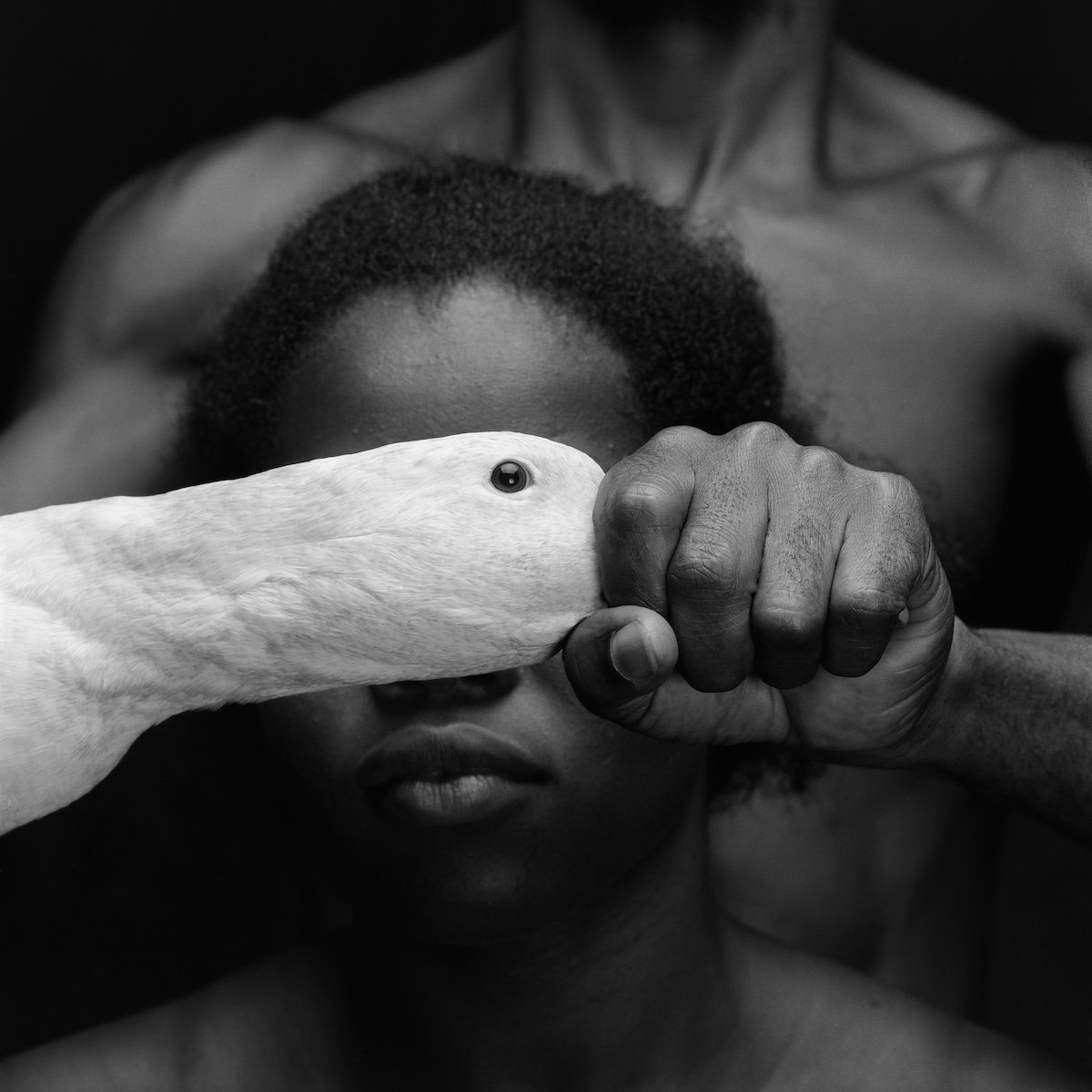
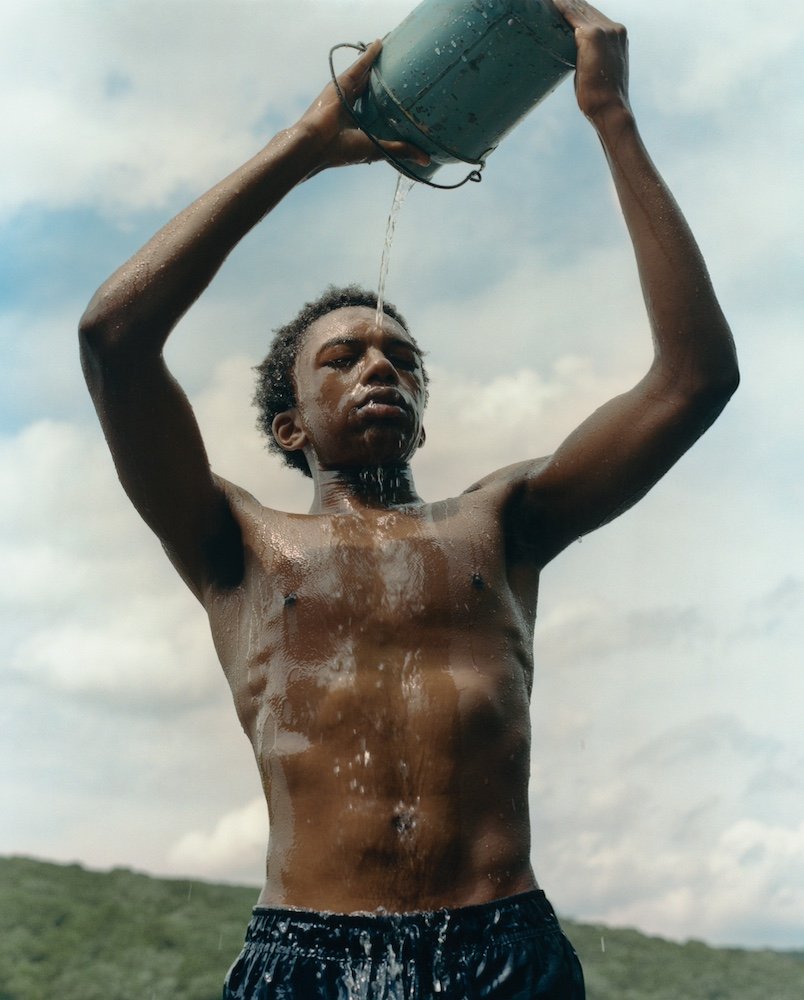
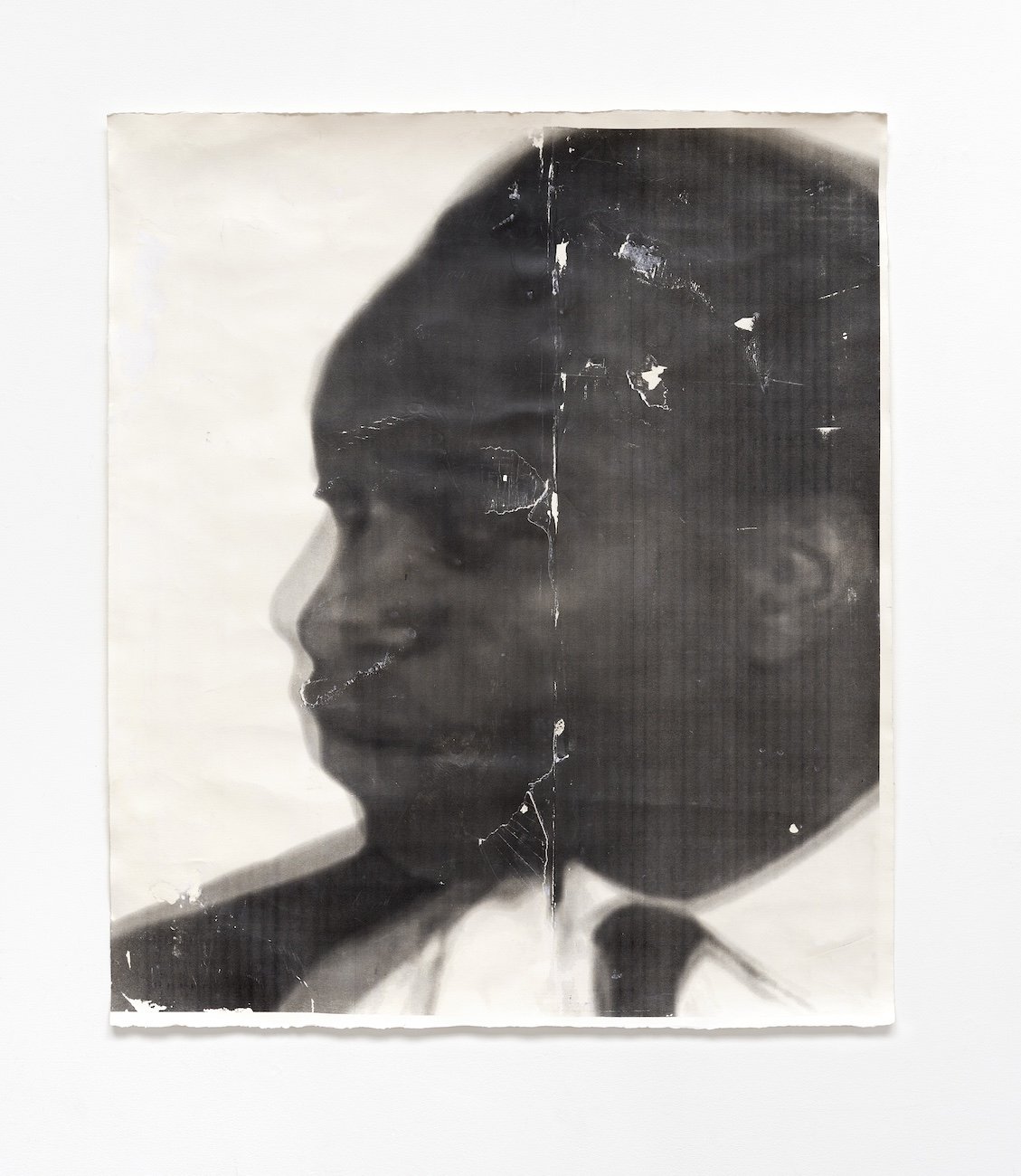
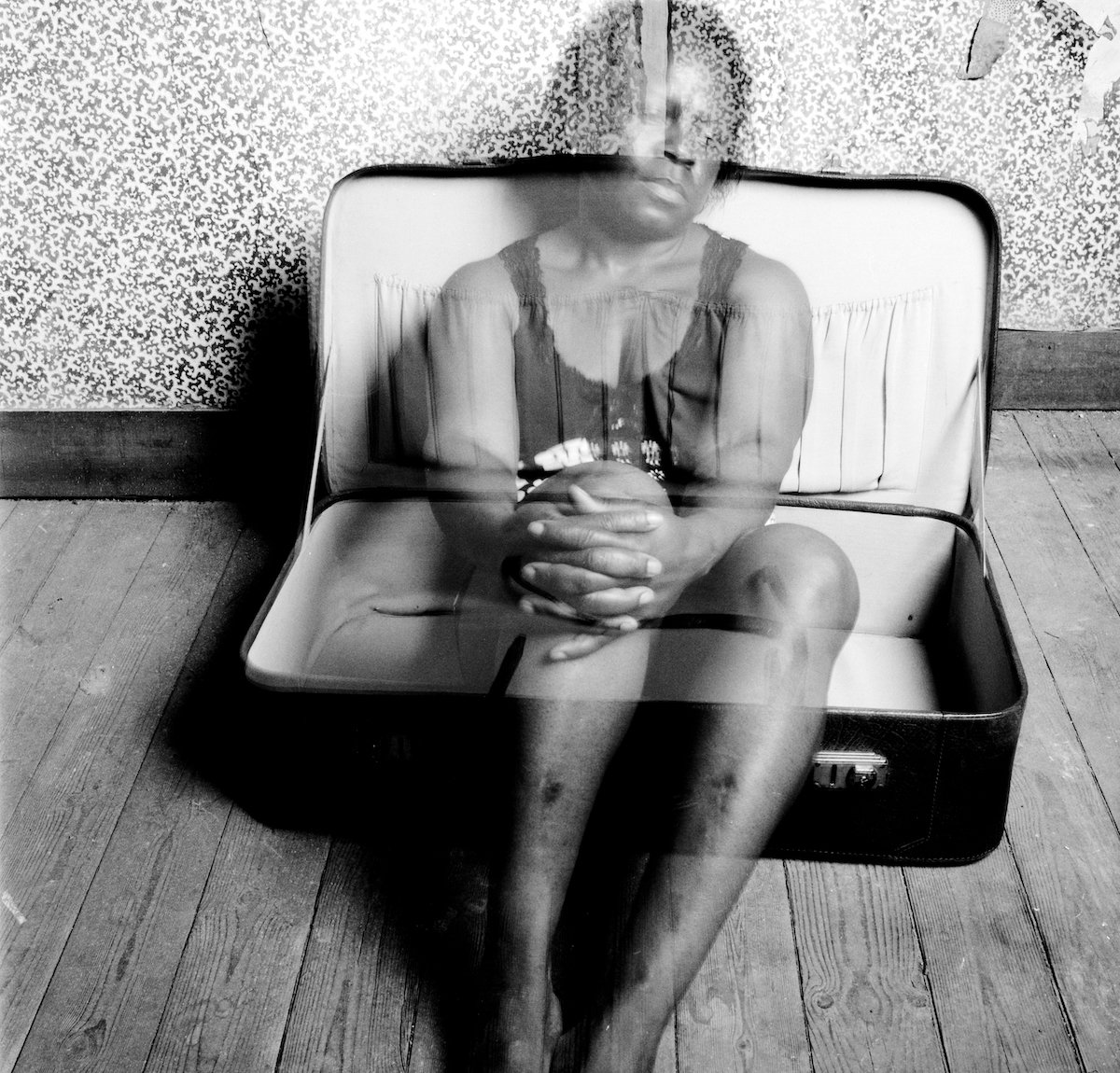
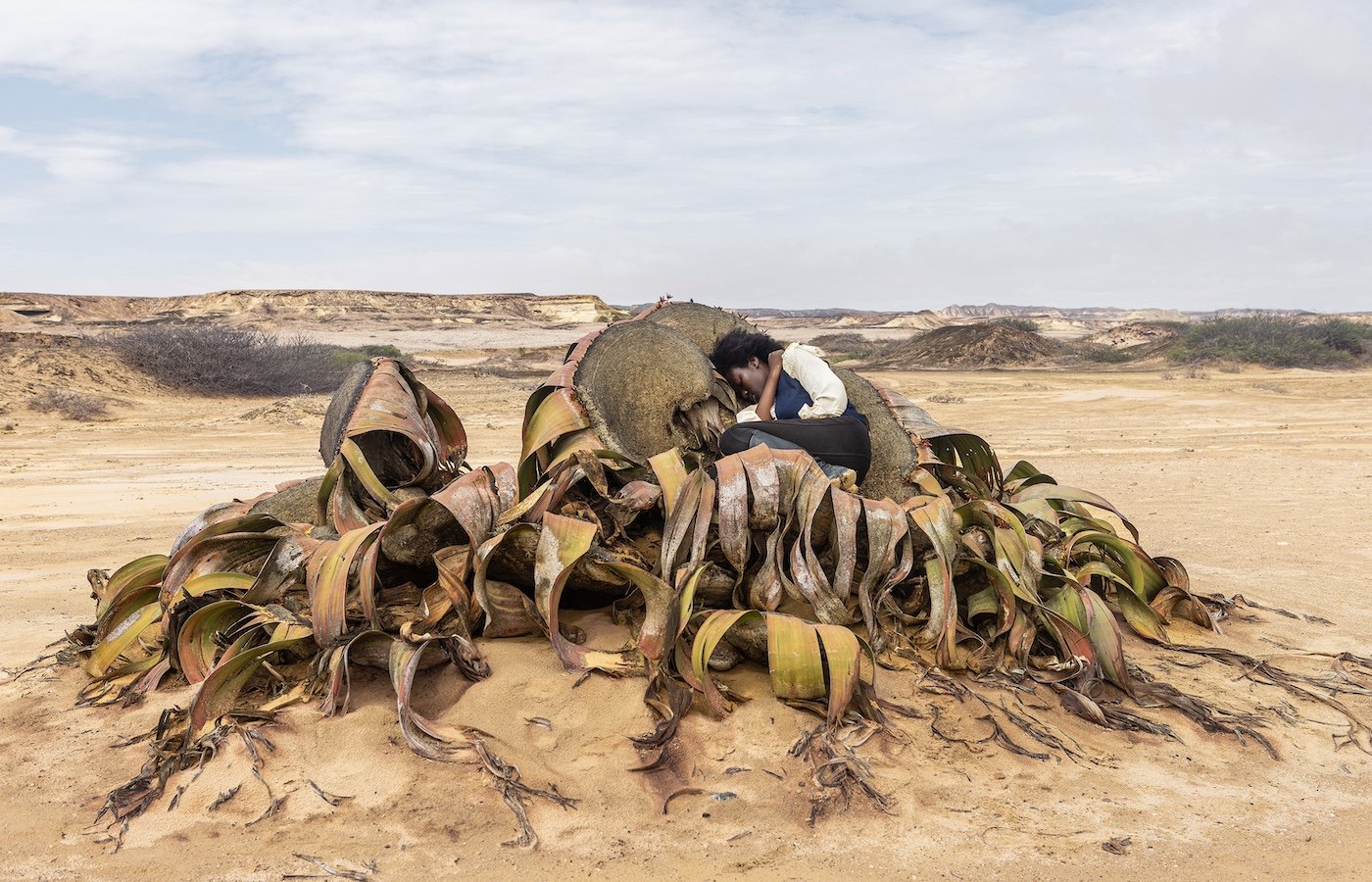
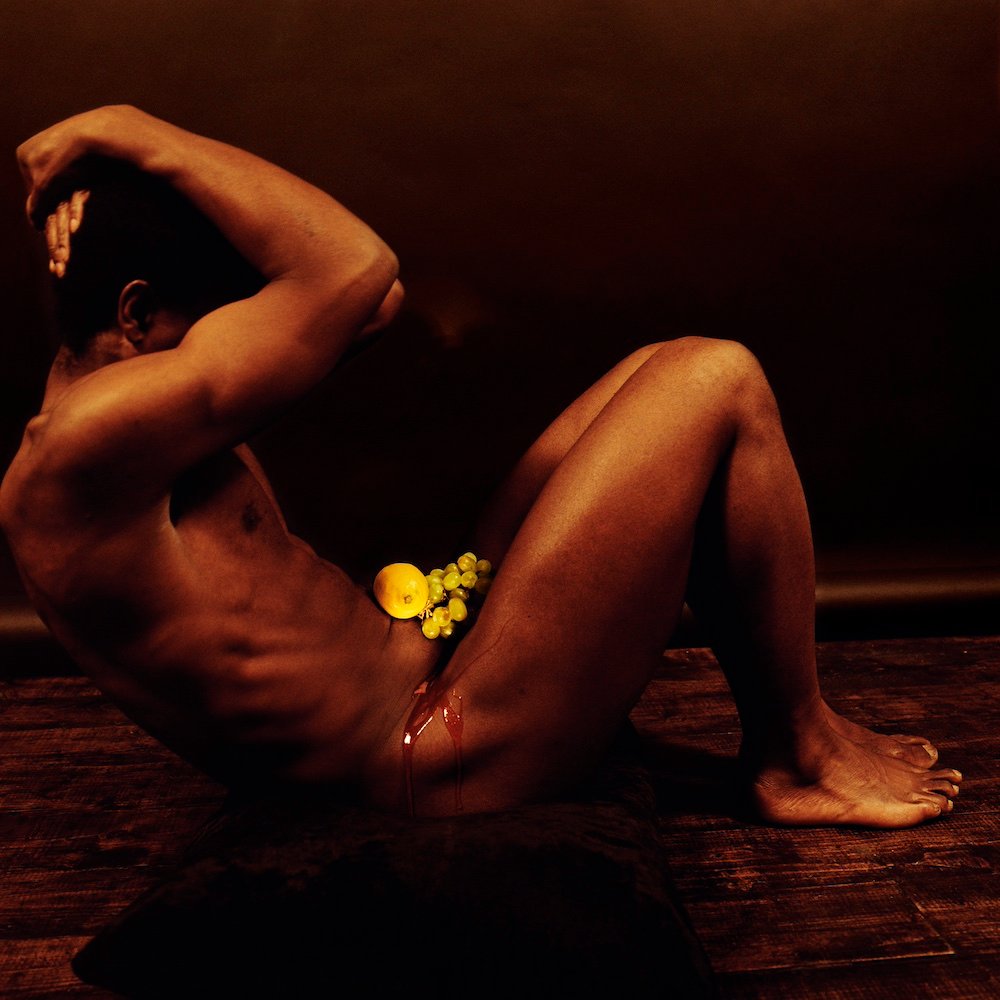
This strategy proves effective. In Alliance, Infinity, Love, unfolding an argument takes second place to generating a series of conversations. Rotimi Fani-Kayode’s explorations of Black queer spirituality resonate across the galleries with Hélène Amouzou’s meditations on migration, displacement and visibility. Mário Cravo Neto’s refined portraiture finds unexpected echoes in the work of younger artists such as Tyler Mitchell, whose images continue to expand the visual vocabulary of Black representation. Elsewhere, Inuuteq Storch’s photographs challenge inherited colonial narratives surrounding Greenlandic identity, while Mónica de Miranda’s work navigates the complex terrain between memory, geography and postcolonial belonging.
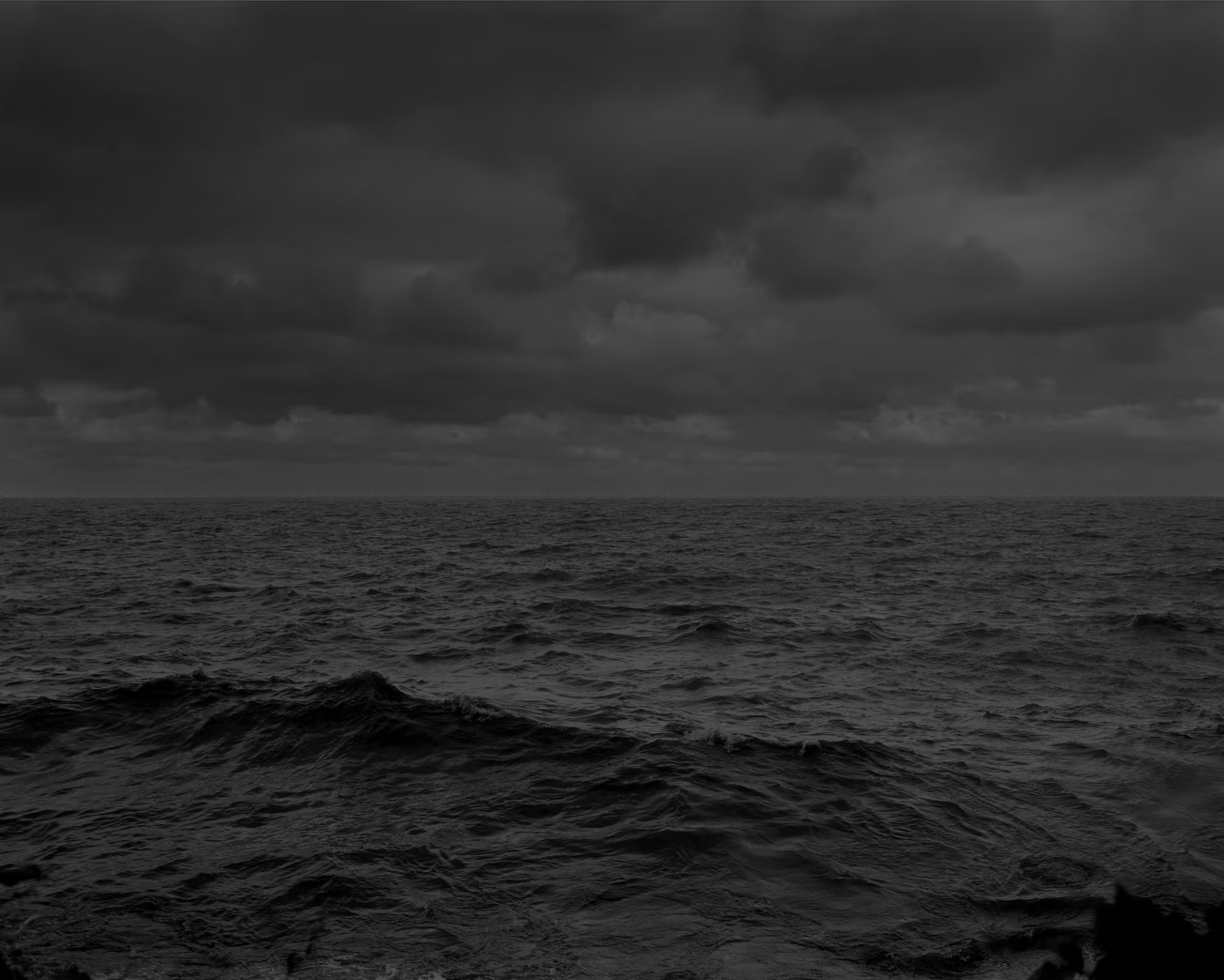
Decidedly body-centric, the exhibition’s most haunting works are those marked by absence, none more so than Dawoud Bey’s Night Coming Tenderly, Black. Reimagining sites along the Underground Railroad – a covert network of secret routes, safe houses and abolitionists that enabled more than 100,000 enslaved people to escape the American South for free states and Canada during the mid-19th century – the black-and-white photographs depict landscapes in northeast Ohio. Evoking the perspective of an African American fugitive, Bey’s images of marshes, woodlands and white picket fences at night are suffused with the enveloping atmosphere of twilight. Far from documenting history, they conjure a psychological landscape that invites viewers to reflect on the uncertainty, fear and resolve of enslaved people navigating unfamiliar terrain in search of safety. Printed in velvety blacks that teeter on the threshold of visibility, the photographs are presented at a monumental scale and hung unusually low against grey walls, drawing the viewer into their darkness. Arranged as a sequence, the gallery culminates in a view across Lake Erie, its waters stretching towards an indistinct horizon. To where, we do not know.
Elegantly installed at the Deichtorhallen, the exhibition is carefully paced, allowing individual works the room they require while maintaining a coherent rhythm across the galleries. Moments of visual intensity are balanced by quieter intervals of contemplation. What emerges is an exhibition structured around relation as opposed to resolution, because Sealy does not impose a singular interpretative framework upon the works. Conversely, viewers are encouraged to inhabit a space of uncertainty, where the “other” of the title is not presented as a fixed subject to be known but as a continual challenge to the viewer’s assumptions.
For all the current enthusiasm surrounding participatory and socially engaged practices, contemporary photography exhibitions often remain surprisingly didactic. Images are expected to communicate clear political messages, while audiences are positioned primarily as recipients of information. Thankfully Alliance, Infinity, Love operates differently. It slows the viewer down and insists upon attention. It asks us ‘to look at and look into things.’
Yet the exhibition is not without its tensions. The philosophical framework derived from Levinas provides a compelling ethical foundation, but it occasionally risks abstraction. Levinas’ notion of infinite responsibility to the other has inspired generations of thinkers; however, it has also been criticised for its limited engagement with political structures and material conditions. A similar challenge occasionally surfaces here. While individual works grapple directly with histories of colonialism, migration, racial violence, and social exclusion, the exhibition’s overarching rhetoric sometimes appears more comfortable addressing interpersonal ethics than systemic power.
This is not a fatal flaw, but it does create moments of friction. One occasionally wonders whether the language of alliance and love can adequately account for the entrenched economic and political forces that continue to shape contemporary inequalities. The exhibition asks how we might relate differently to one another; it is somewhat less clear about how those relationships intersect with institutions, states and systems.
And yet perhaps that criticism risks missing the point. What distinguishes Sealy’s project is precisely its refusal to reduce photography to a tool of diagnosis. Much contemporary photographic discourse remains oriented towards revelation: exposing injustice, uncovering hidden histories, documenting harm. These remain essential tasks. But Sealy suggests they are not sufficient. If photography is capable of revealing what is wrong with the world, it must also help us imagine what could be otherwise. ‘The photographic works’, he writes, ‘are not passive reflections. They are calls that invite us to embrace a cosmology of difference, and seek to function as sutures against attempts at division.’
Ultimately, Alliance, Infinity, Love – in the Face of the Other succeeds because it embraces risk and boldly articulates an expansive moral vision. Sealy has produced an exhibition of generosity and intellectual coherence; one that is also emotionally profound and galvanising. Where it trumps other similar projects is in the questions it prompts about what photography can help us become, less what photography can show us. In doing so, Sealy offers one of the most thoughtful and ambitious photographic exhibitions of recent years – an exhibition that understands the encounter with the “other” as the beginning of a shared future, as long as we are willing to look for it.♦
The 9th Triennial of Photography Hamburg runs until 22 September 2026.
–
Tim Clark is Editor in Chief at 1000 Words. Also working as an independent curator, he was Artistic Director for Fotografia Europea in Reggio Emilia, Italy, together with Arianna Catania, Walter Guadagnini and Luce Lebart between 2020-26. He teaches at The Institute of Photography, Falmouth University.
Images:
1-Mario Cravo Neto, Odé, 1989 © Mario Cravo Neto
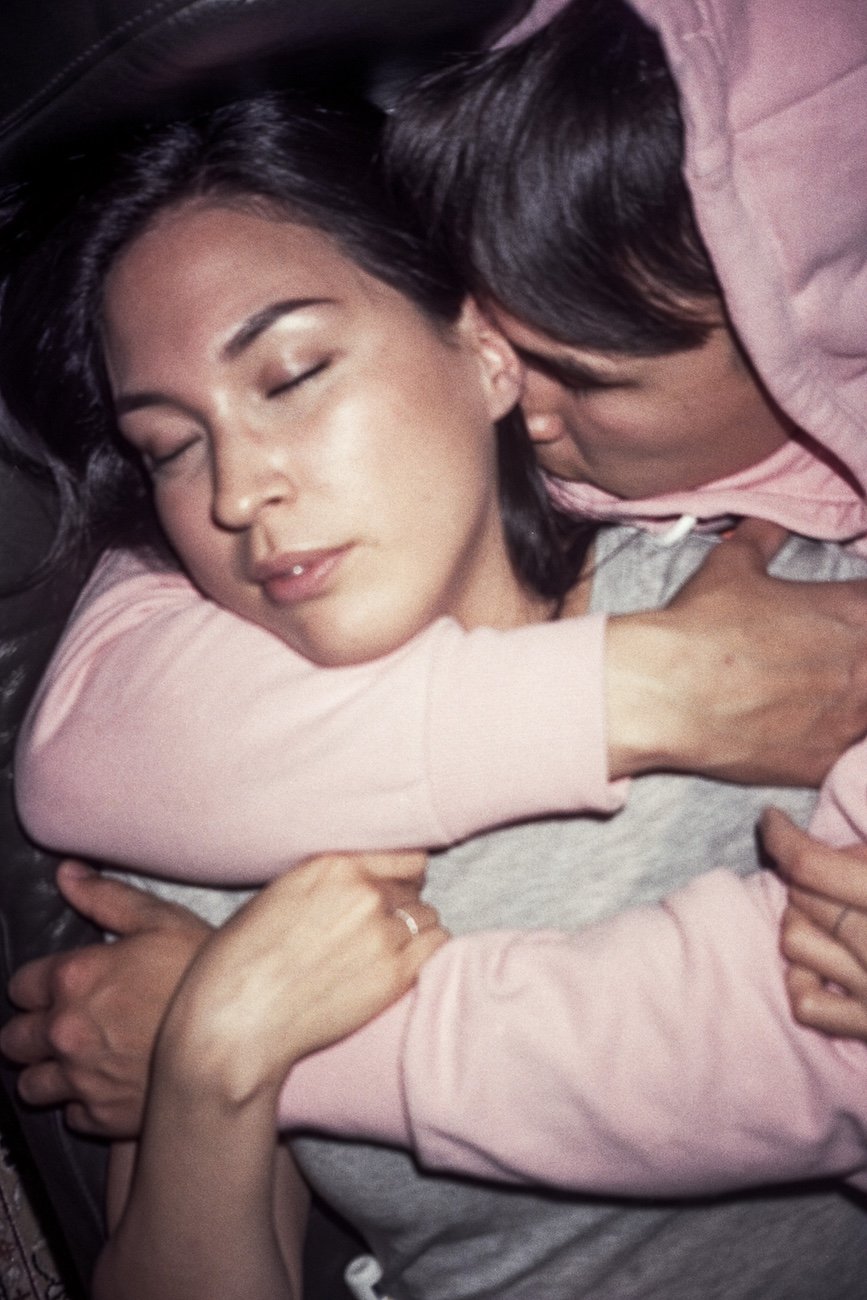
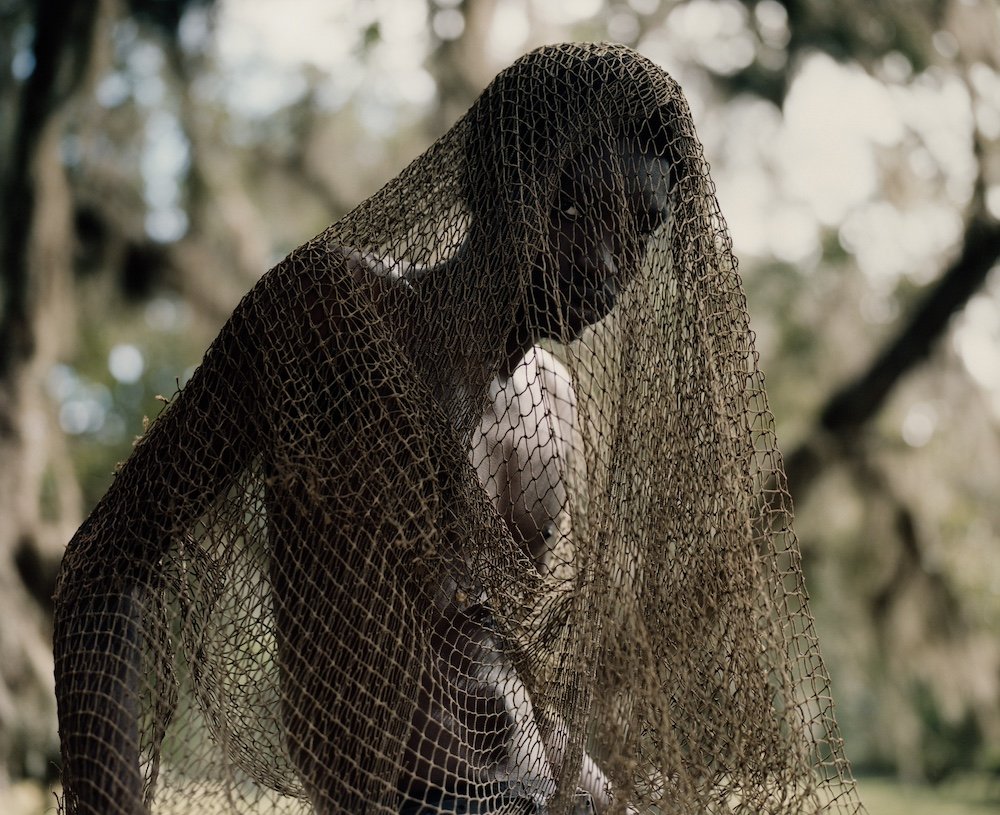
2-Inuuteq Storch, Keepers of the Ocean, 2016-2022 © Courtesy the artist and Wilson Saplana Gallery
3-Tyler Mitchell, Self Decoration (#1), 2022 © Tyler Mitchell. Courtesy the artist and Gagosian Gallery
4-Dawoud Bey, Untitled #25 (Lake Erie and Sky), from the series Night Coming Tenderly, Black (2017) Rennie Collection, Vancouver. © Dawoud Bey
5-Sandra Brewster, Take a Little Trip (Frantz Fanon), 2021. © Courtesy the artist
6-Hélène Amouzou, Self portrait Molenbeek, 2009 © Hélène Amouzou
7-Mónica de Miranda, Earthworks, 2024. © Mónica de Miranda
8-Rotimi Fani-Kayode, Nothing to Lose XII (Bodies of Experience), 1989. © Courtesy Autograph, London
9-Tyler Mitchell, Ghost Image, 2024 © Tyler Mitchell. Courtesy the artist and Gagosian Gallery
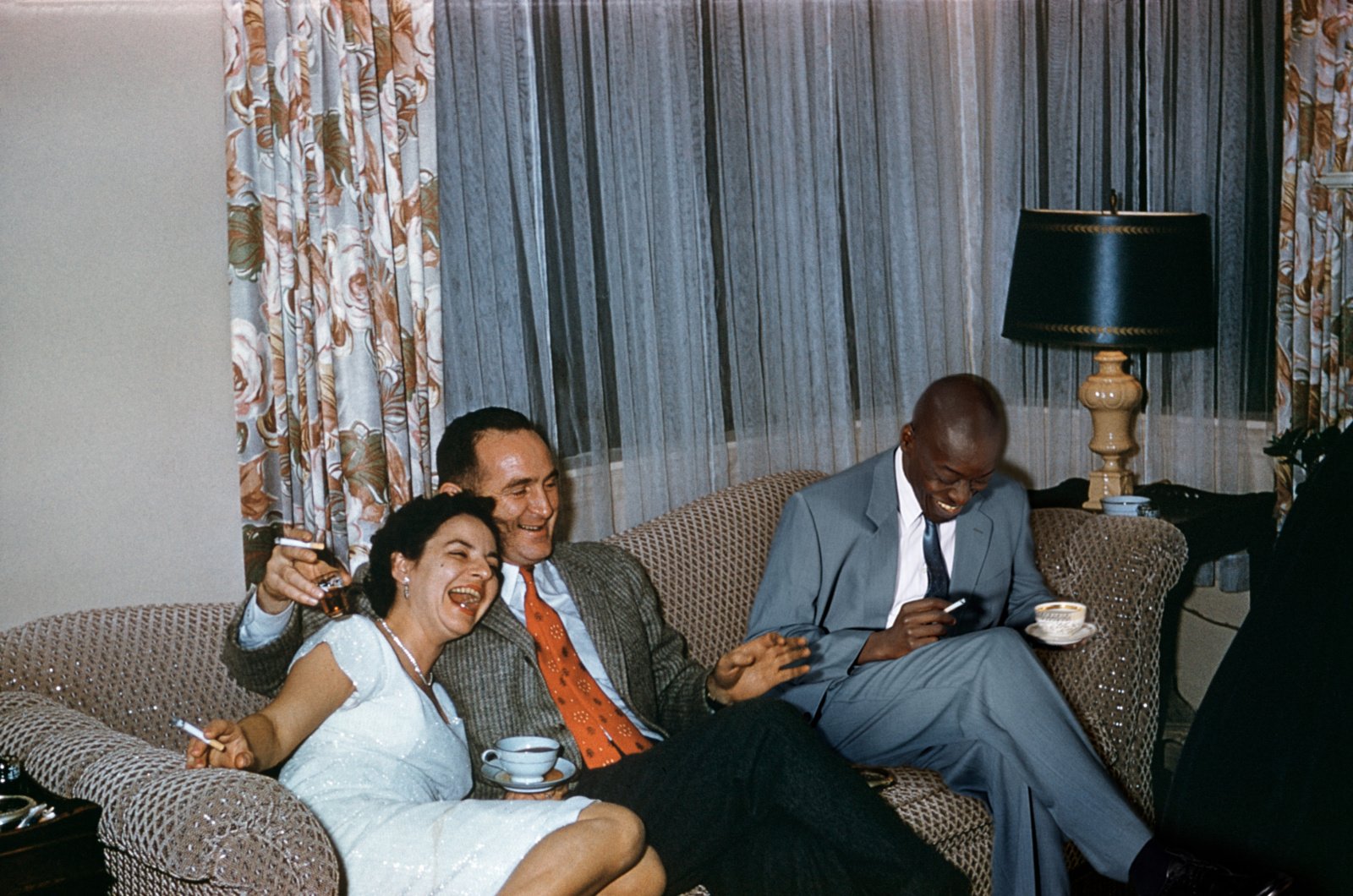
10-Lee Shulman und Omar Victor Diop, The Anonymous Project presents Being There, 2023. © Courtesy the artists
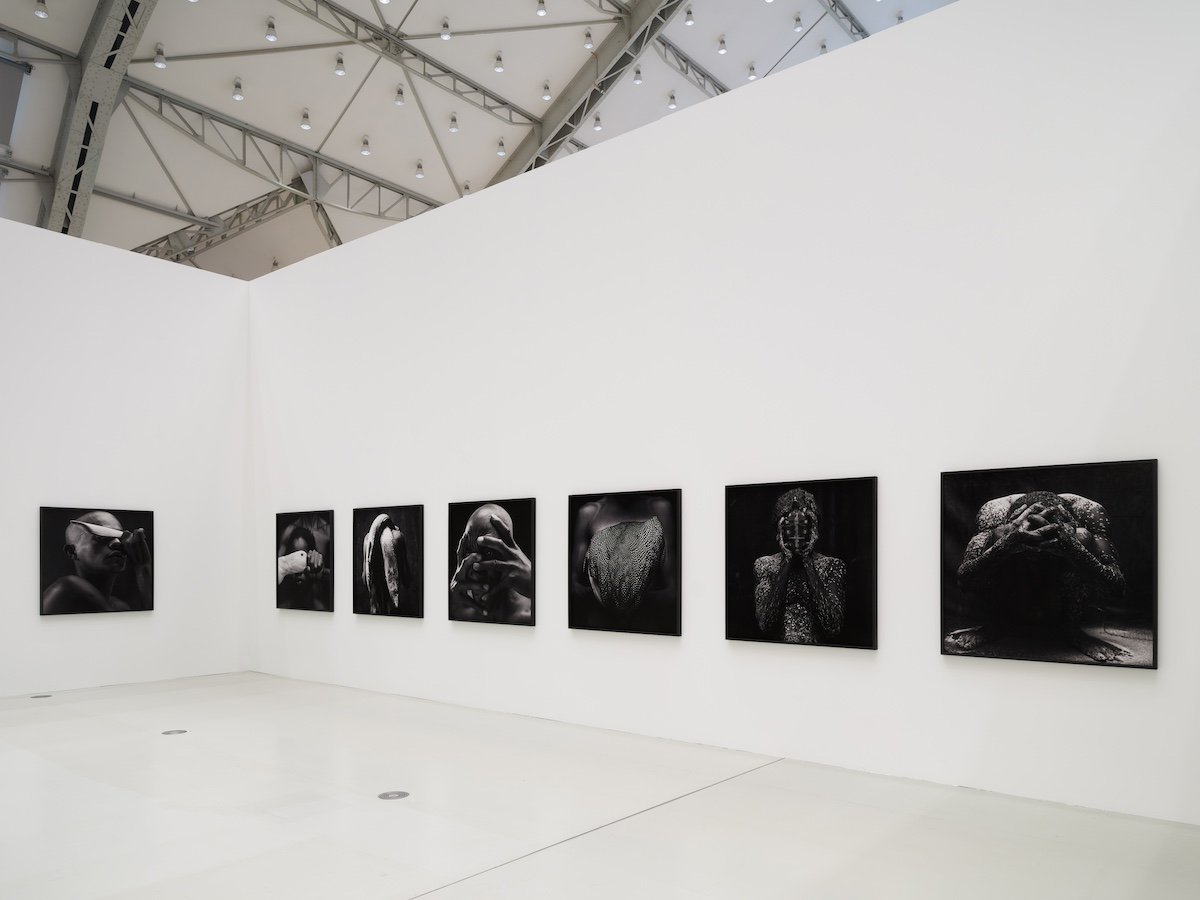
11-Works by Mário Cravo Neto, Installation view of Alliance, Infinity, Love – in the Face of the Other June 5 – September 22, 2026 © Deichtorhallen Hamburg, Photo: Henning Rogge
1000 Words favourites
• Renée Mussai on exhibitions as sites of dialogue, critique and activism
• Roxana Marcoci navigates curatorial practice in the digital age
• Tanvi Mishra reviews Felipe Romero Beltrán’s Dialect
• Discover London’s top five photography galleries
• Tim Clark in conversation with Hayward Gallery’s Ralph Rugoff on Hiroshi Sugimoto
• Academic rigour and essayistic freedom as told by Taous Dahmani
• Shana Lopes reviews Agnieszka Sosnowska’s För
• Valentina Abenavoli discusses photobooks and community
• Michael Grieve considers Ute Mahler and Werner Mahler’s posthumous collaboration with their late family member
• Elisa Medde on Taysir Batniji’s images of glitched video calls from Gaza
Join us on Patreon today and be part of shaping the future of photographic discourse


