
A moment of unseeing: memory, imagination and witness at SIPF 2026
The Singapore International Photography Festival returns for its 10th anniversary, with its signature exhibition, Shifting Images: Photography from Singapore 2000–2025, taking centre stage. Spanning eight chapters and multiple venues, the exhibition brings together 50 artists to explore a quarter-century of image-making in Singapore, tracing how photography has evolved, pushed boundaries and challenged the ways we see the world – and make sense of the images that surround us. Daryl Li reports.
Daryl Li | Review | 26 November 2026
Join us on Patreon
As a writer and hobbyist photographer, I’ve always found that thinking of photography as a form of writing provides a useful analogy. The term “photography”, after all, comes from the Greek, literally meaning “light-writing”. To think of photography as writing is to emphasise their shared qualities as exposition, as witness, as imagination, as expression.
In Shifting Images: Photography from Singapore 2000–2025, the signature exhibition of the 10th Singapore International Photography Festival 2026 (SIPF), it is these same qualities of photography that are interrogated, as it contemplates this evolving medium. Unfolding across eight chapters and multiple spaces, and bringing together 50 artists, the exhibition tackles the changing landscape of image-making, but also the increasingly blurred lines of what it means to make meaning through the image.
In Paper Machine, the French philosopher Jacques Derrida contemplates the impact of word processing on the practice of writing and its transmission with the advent of the internet. This technological question has retained its relevance through the years, not least within an inherently technological form like photography. Here in the exhibition, the question resounds. From the analogue study of The Days of Silver Nitrate by Chow Chee Yong to the AI-generated images of Aik Beng Chia’s Return to Bugis Street, the exhibition traces a broad technological arc that speaks to form and process – but also to the medium itself. It is not simply the ways that images are made that are shifting, but the images themselves.
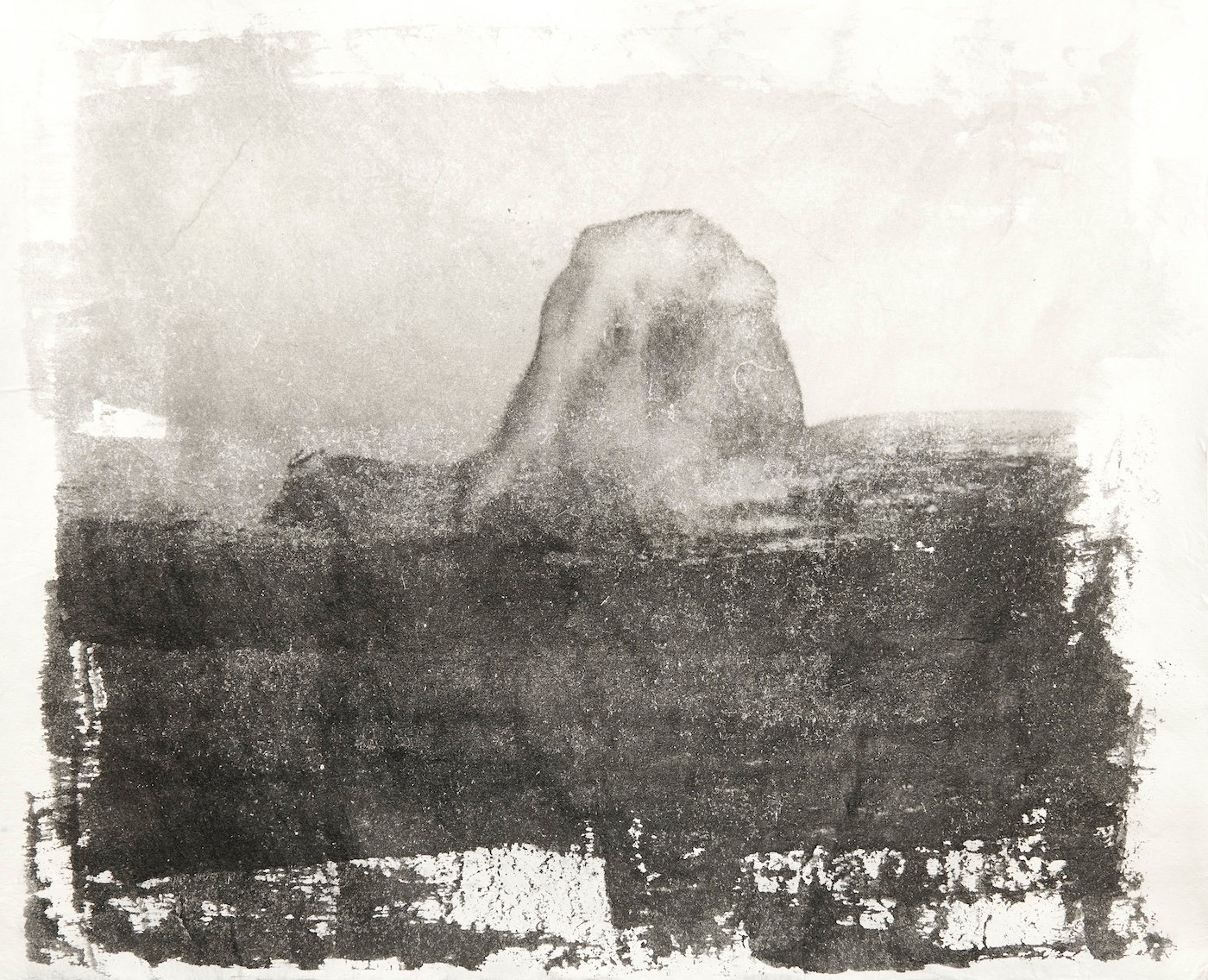
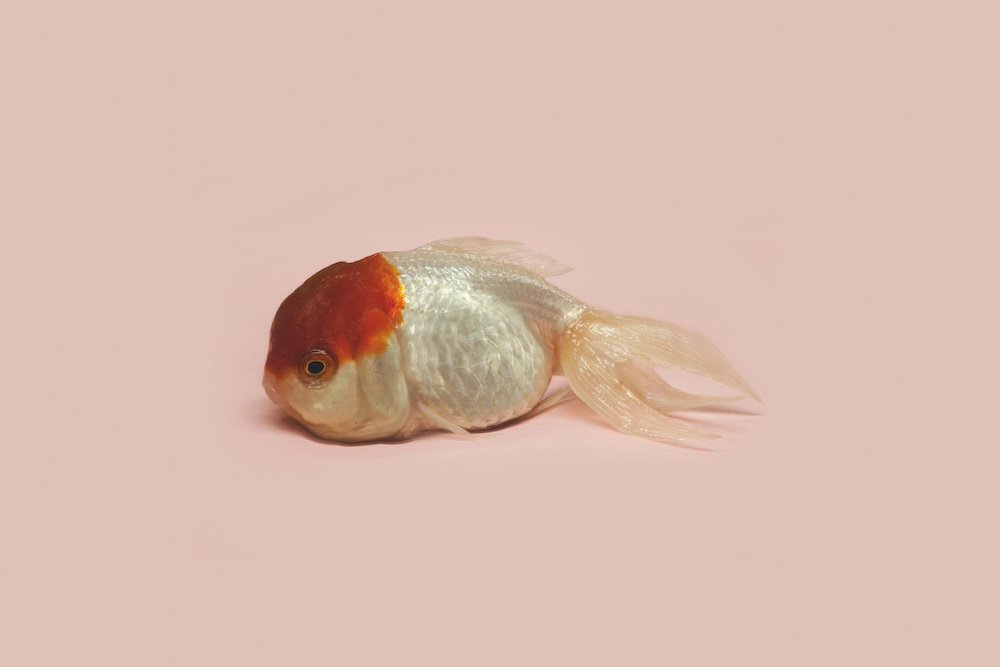
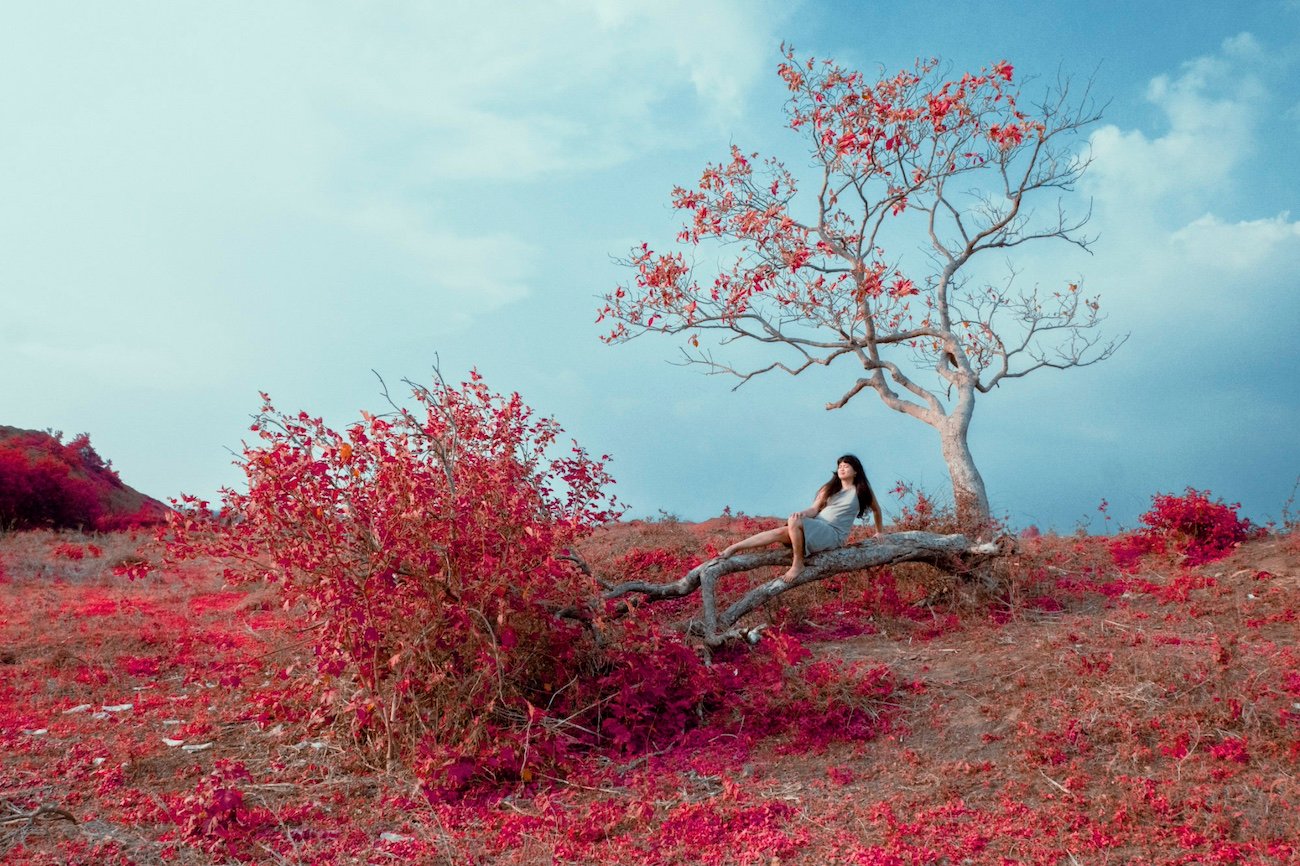
Following this throughline, Shifting Images explores at length the evolving relationship between photography and both memory and the archive. Jonathan Liu’s The Death of Every Moment, for instance, employs machine learning networks to investigate the possibility of remembrance in the inorganic, conjuring only the ghostly semblance of sense. Perhaps the shape of memory, in all its particular fuzziness and ambiguity, is a bodily process – one truly understood only by the living.
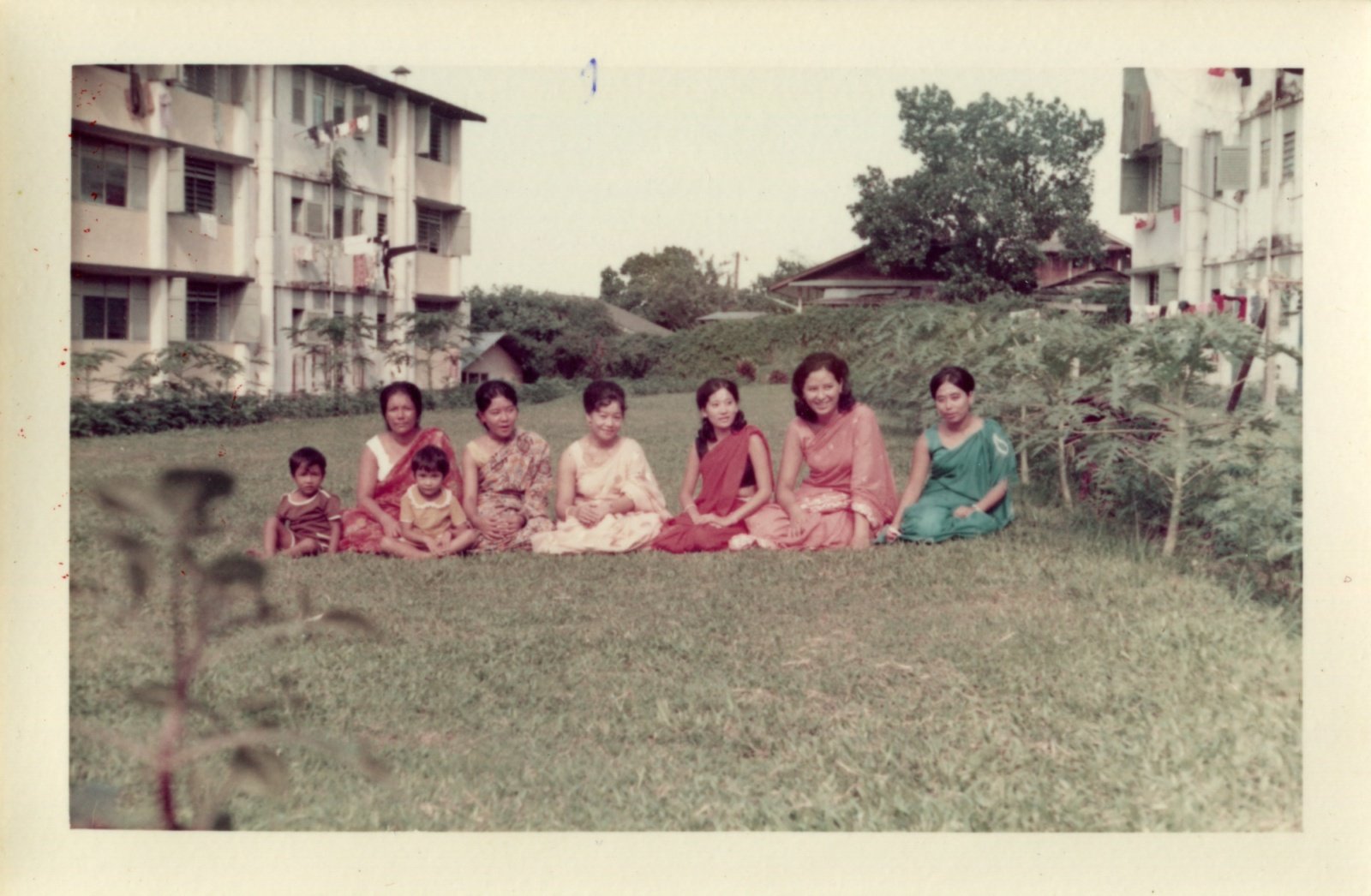
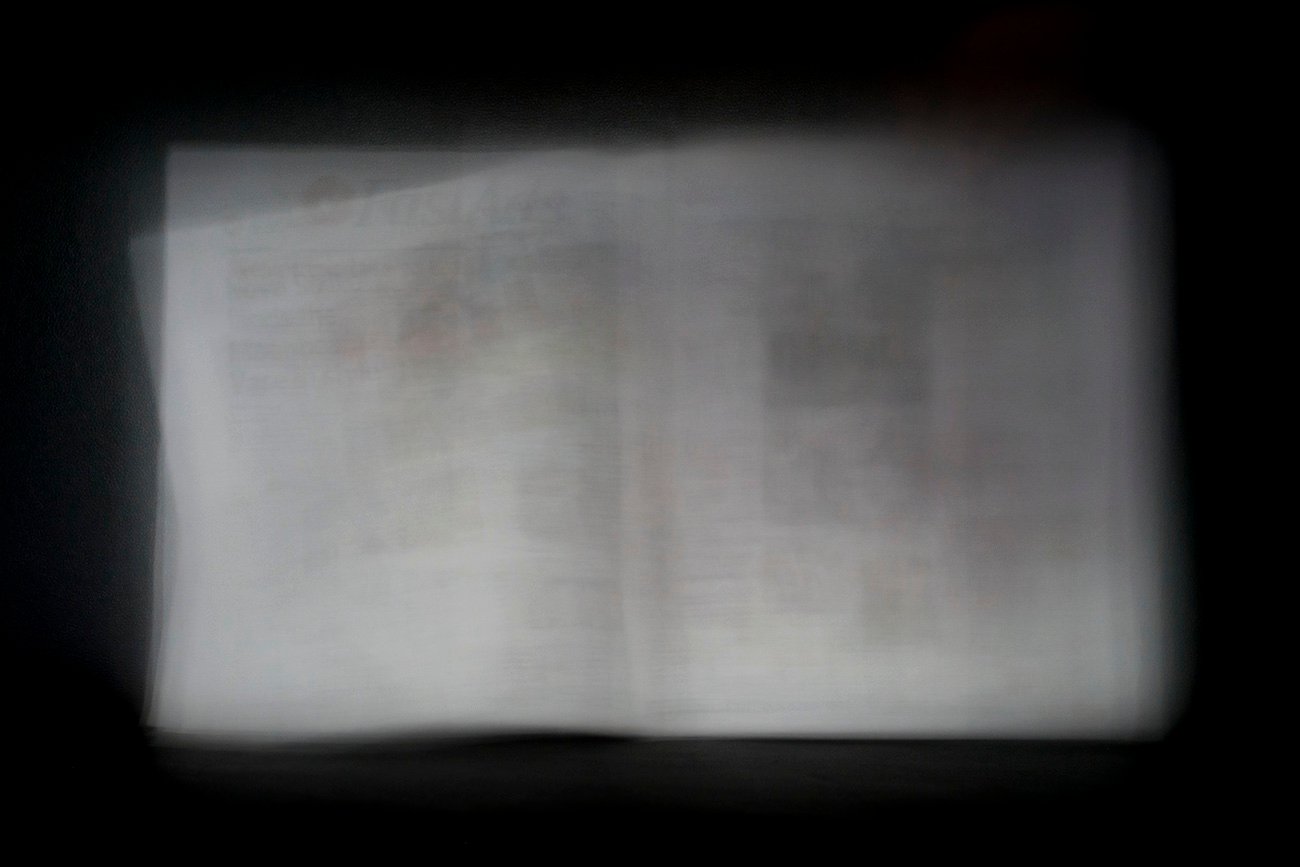
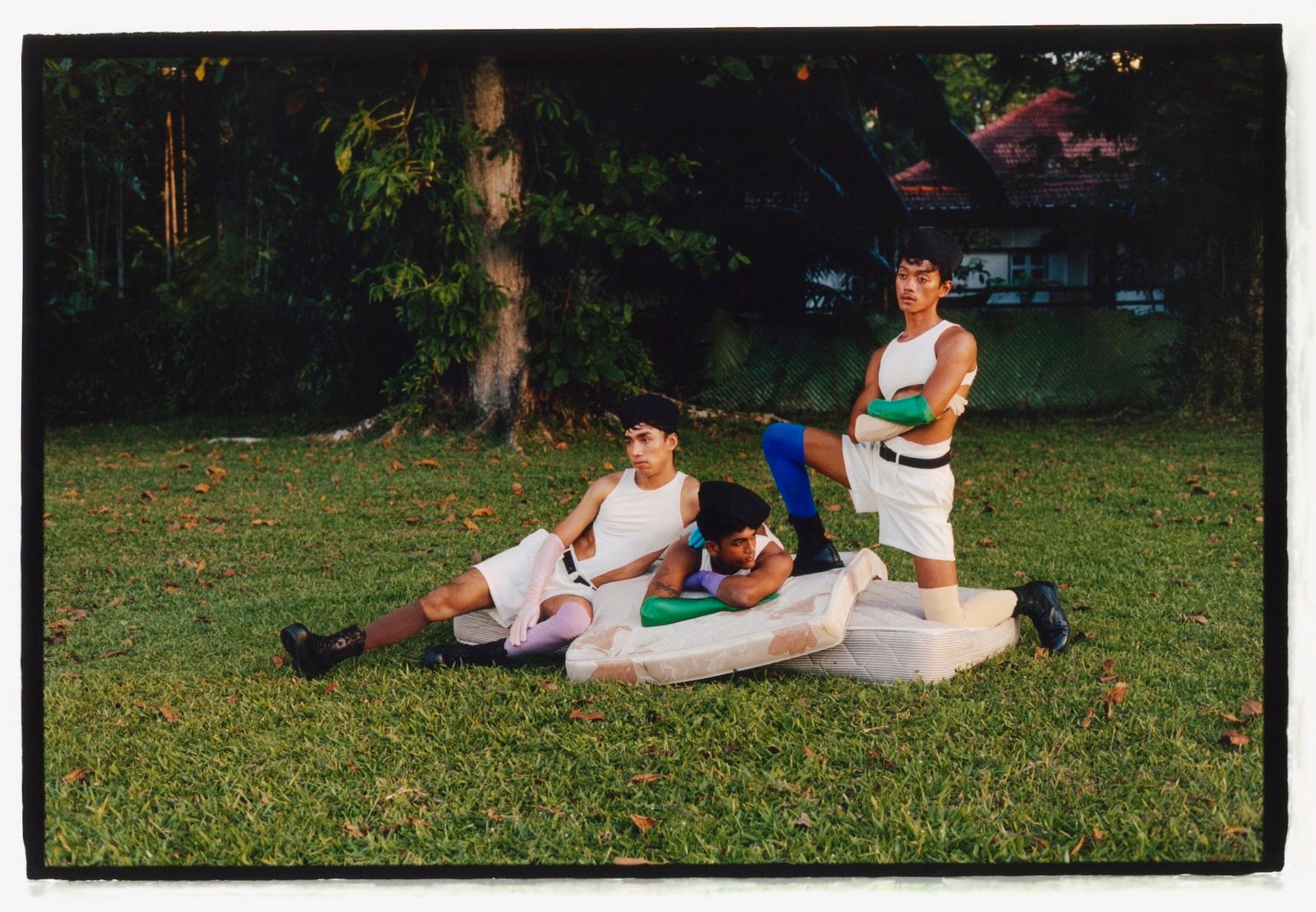
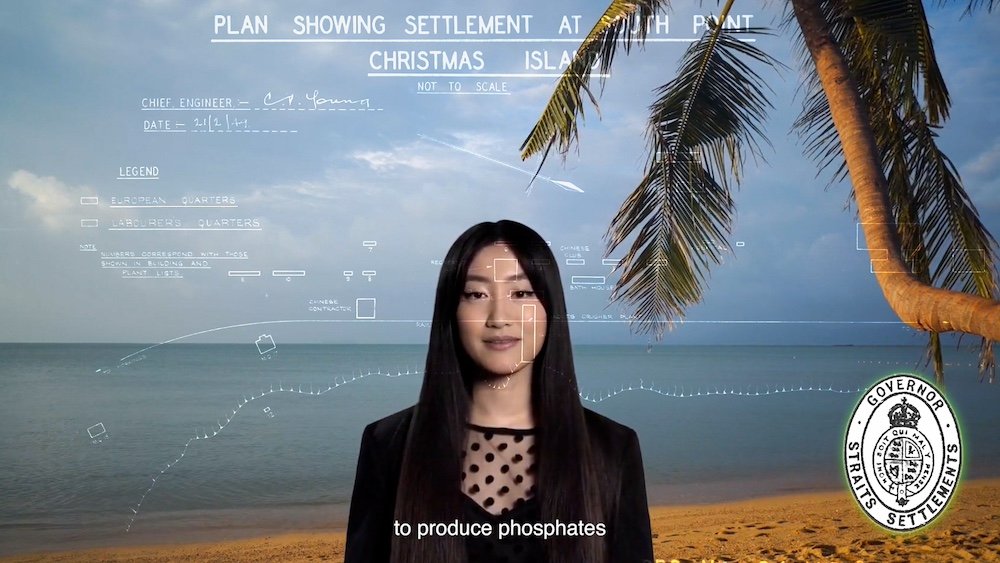
Elsewhere, Gurkha Photography Museum by Zakaria Zainal posits that every archive demands authorship and subjectivity in order to find coherence and to protect that which might otherwise be lost. At the other end of the spectrum, a piece such as Ernest Wu’s On This Day – which features all the pages of the 3 September 2018 edition of The New Paper in a single exposure – directly calls into question the substance of the archive.
How much can actually be objective? And how much can actually be remembered? What does human memory truly retain and recuperate? More broadly, does technology change the ways in which we remember? Do peoples or personal histories get lost as the rate of change accelerates? What role do subjectivity, power and imagination play in the stories we tell and in our methods of remembering?
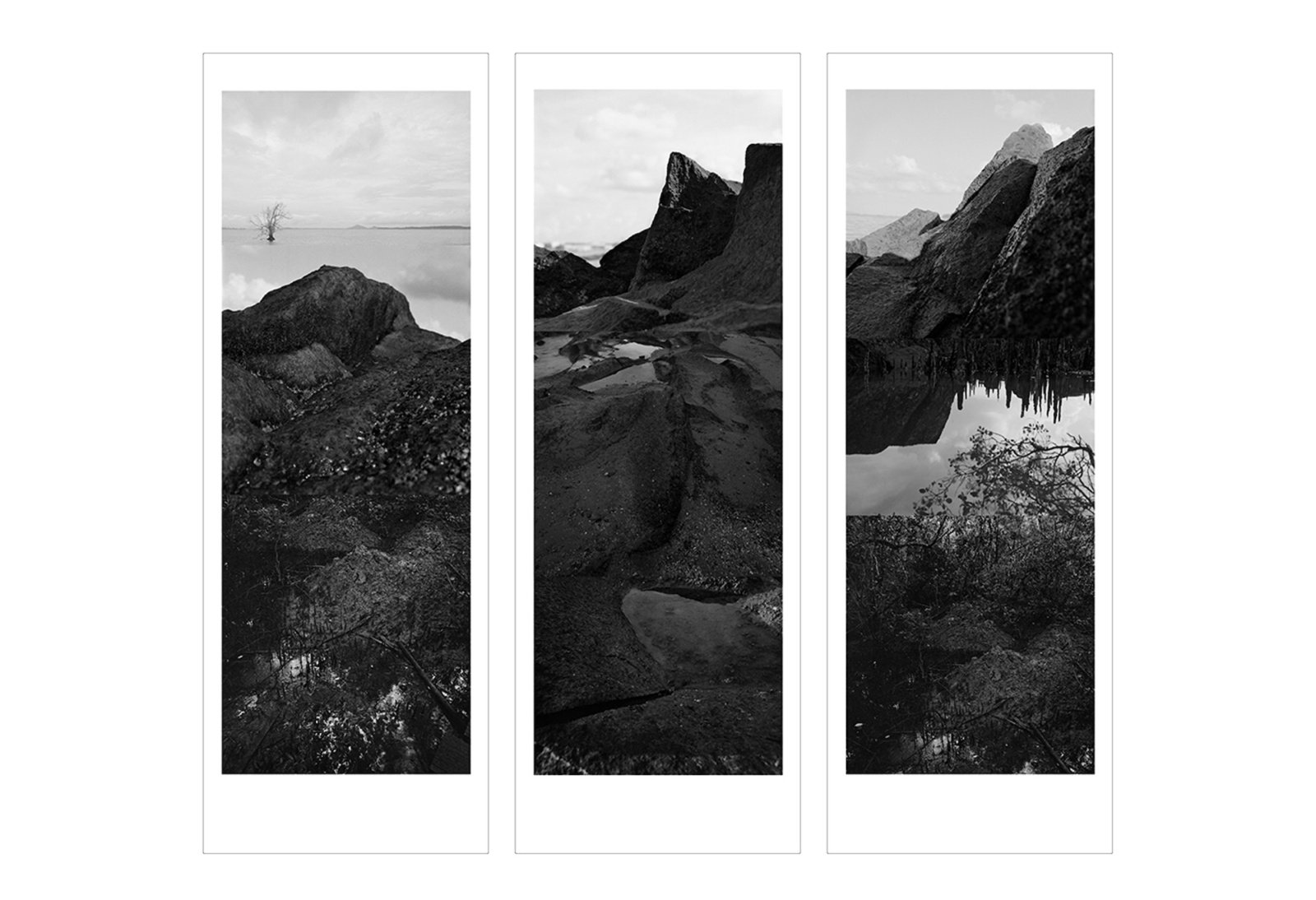
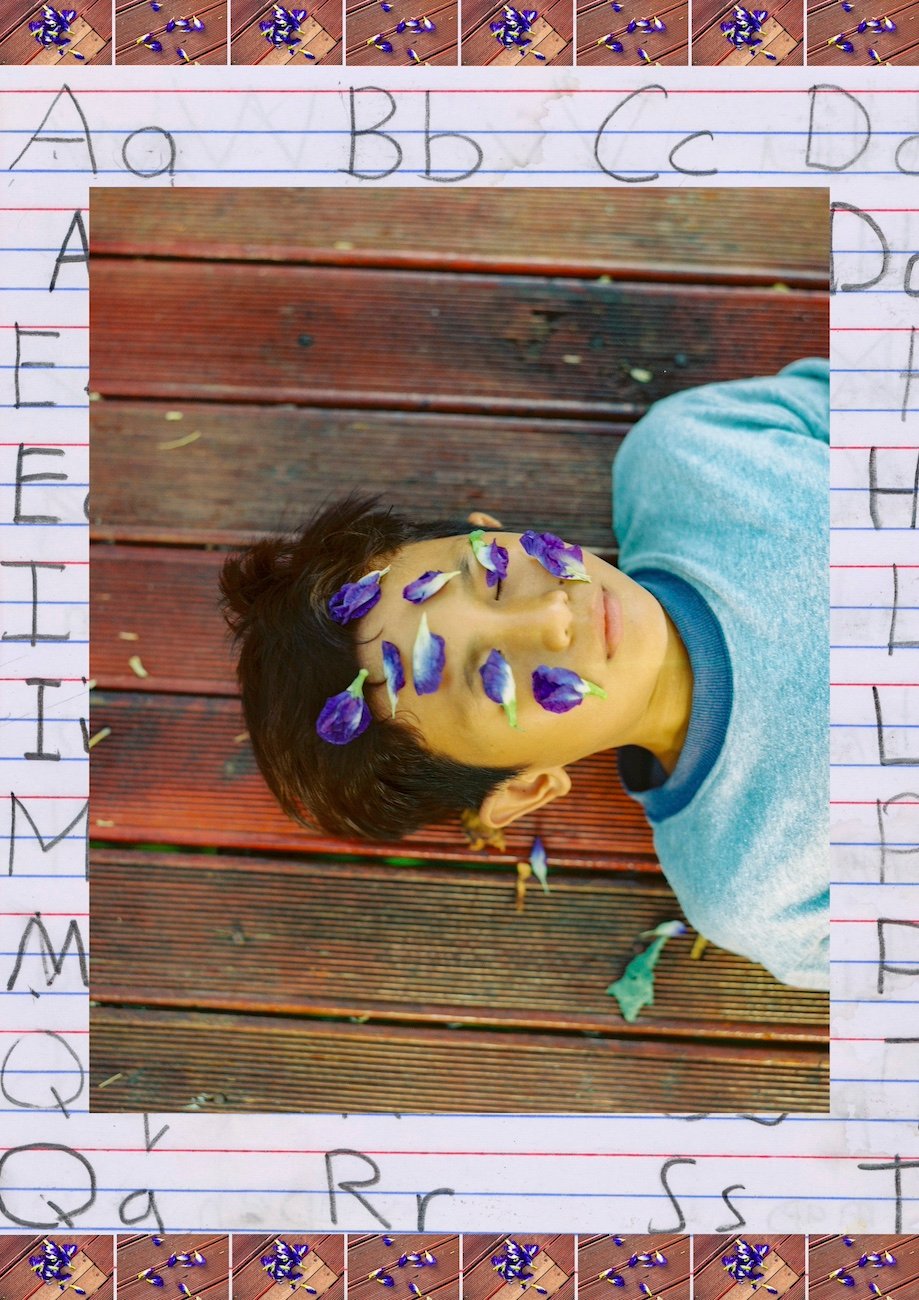
Shifting Images explores these blurred lines in many of its works. In Un-knowing, Zen Teh creates landscapes that evoke John Sexton, but stitched together from fragments of Singapore’s parks and nature reserves. Perhaps their presentation as tall black-and-white panels – echoing Chinese painting scrolls – suggests something of this authorial hand in their creation.
Similarly, Robert Zhao’s two works inhabit the overlapping space between fiction and document, continuing his project of interrogating truth and narrative through ecology. We parse our reality through narratives, stories and imagination; and in an age when locating the truth grows ever harder – when excessive data overwhelms, when memories are overwritten time and again, when generative technologies produce too much mis/information and muddy the waters – it is more crucial than ever to reflect on where the textual ends and where reality begins.
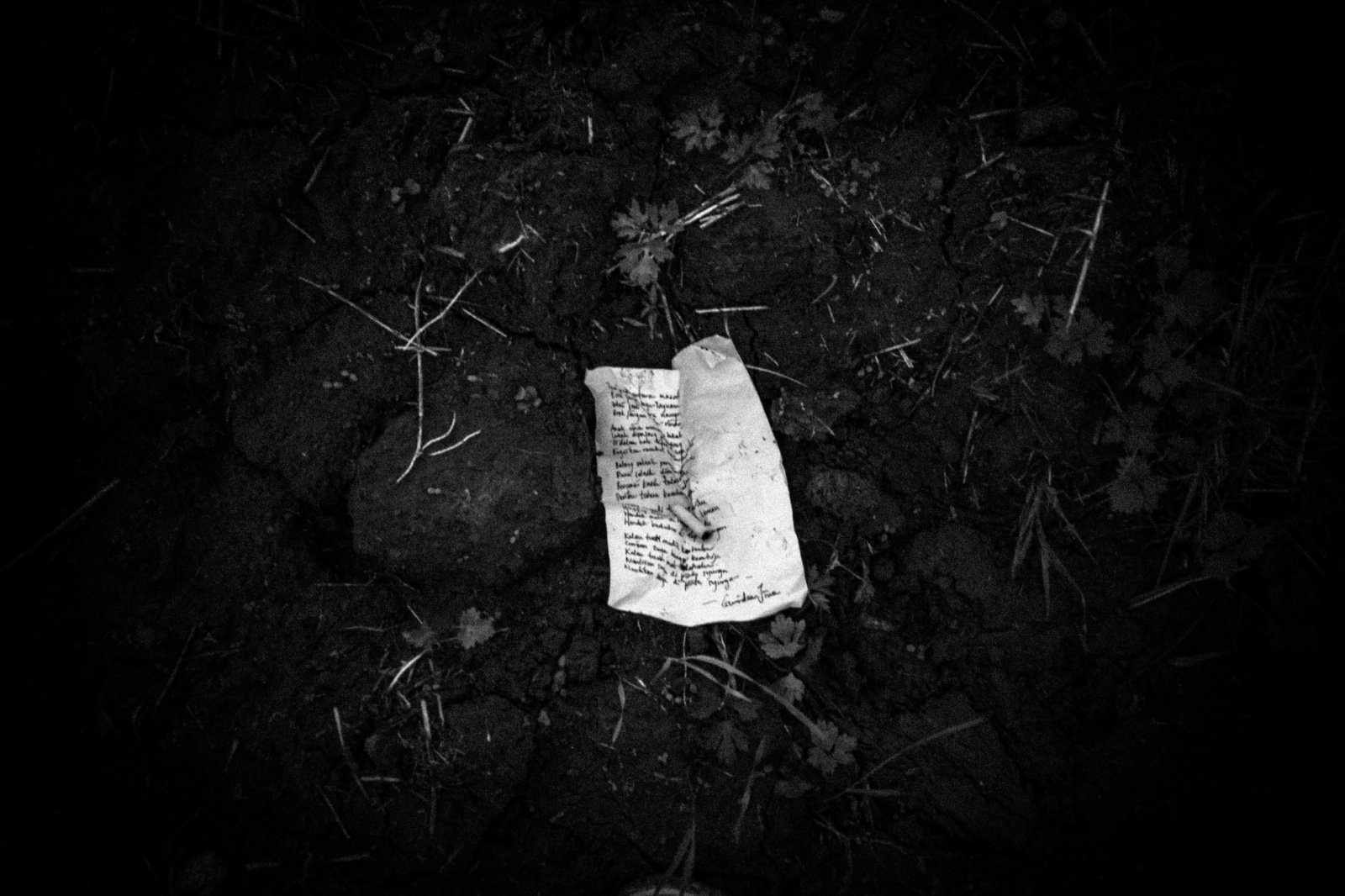
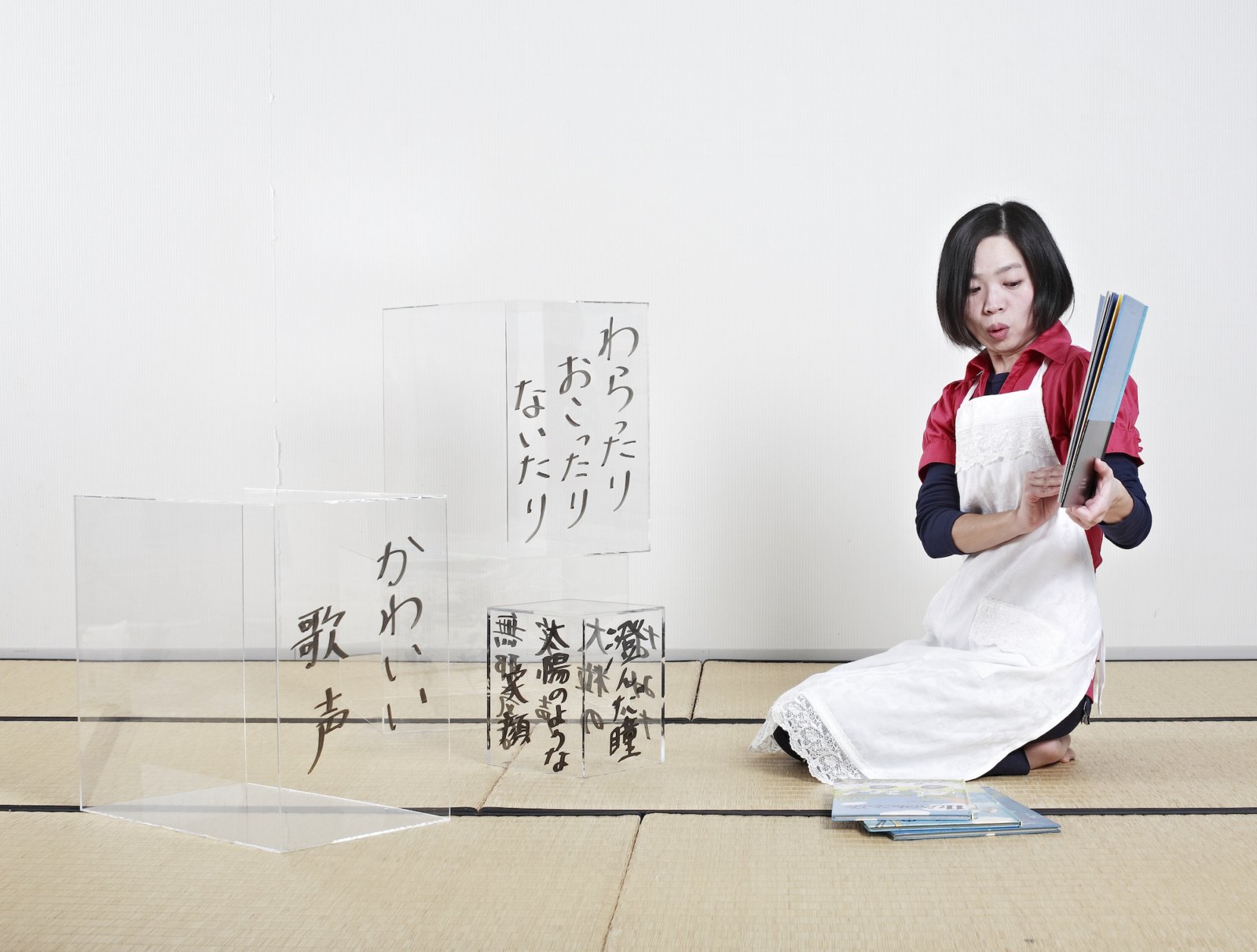
Many of the works search for emotional truths – less about the reconstitution of a time, a place, or a person, and more about personal memory and meaning. Donna Chiu’s We Do Not Part 等著你回來 mines a family history while filling in the irrecoverable gaps. Noor Iskandar’s Gurindam Luka, Sean Lee’s Young Love and Sherman Ong’s Missing You all deal with the pain of loss and the work of mourning.
As with grief, all memory is a reckoning with time. How do we live with our past? How do we step into the future? To make images, to write, to make art is a way of inhabiting the world and of understanding how to inhabit it. All forms of artistic practice must engage with the making of the text/image and the making of our individual selves.
Recently crowned Nobel laureate Anne Carson describes the task of the writer as being “to just notice small things”. Photography is much the same: an act of attending to the small things. Photography is moments and glimpses, cropping and framing. In being so, it is perfectly placed to attend to the small things – things that may be obscured, or indeed destroyed, by larger forces or tragedies.
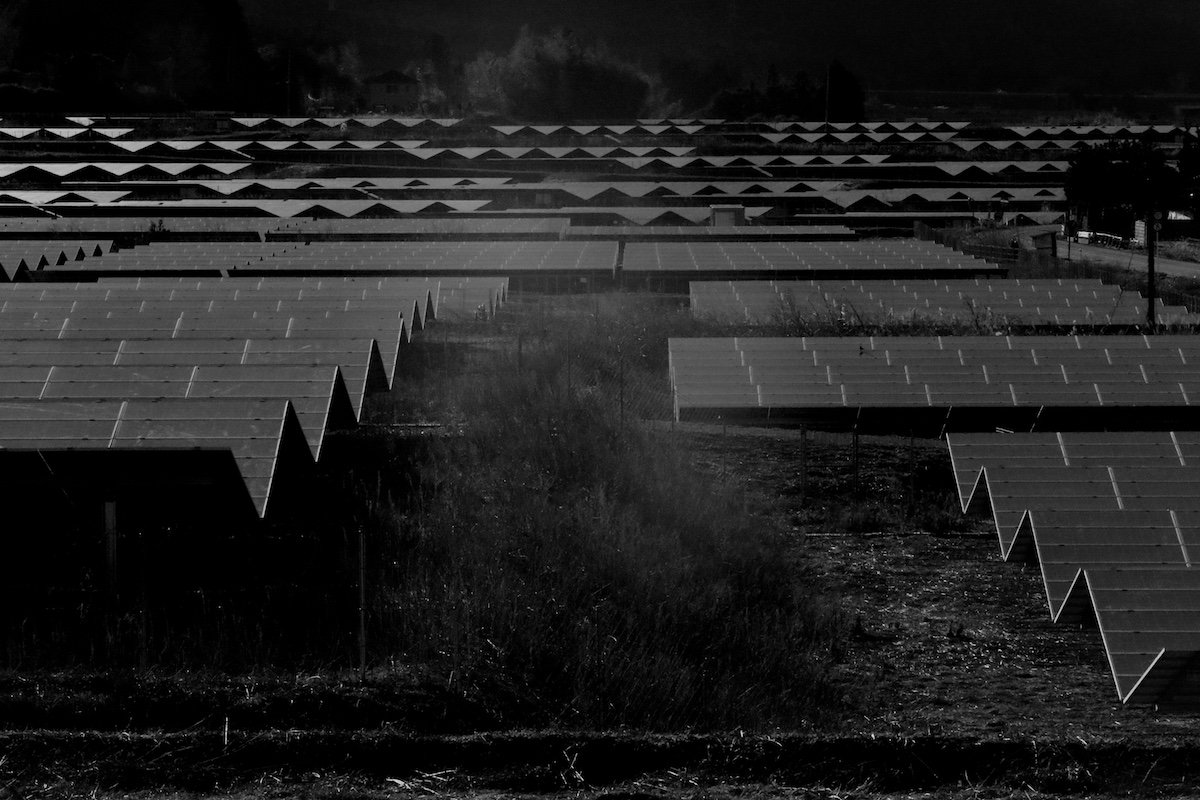
Nowhere is this clearer than in I AM A WITNESS: Silent Witnesses, Fukushima 2011–2026 by Takeshi Yamamoto, which charts the persistence of life in landscapes defined by contamination and regulation over several years, and refuses the documentation of disaster as isolated incident. Virginia Morini’s Can You Keep a Secret confronts horrific violence by refusing to reduce abuse to victimhood, recasting survivors as witnesses on a shared path toward healing. Byron Mohammad Hamzah’s Bunga dan Tembok includes the authorship of stateless Bajau Laut children, echoing Zakaria Zainal’s work as it resists the injustices suffered by a people. Ma’Nene by Yoese Mariam focuses on the Toraja ritual of reopening ancestral graves to reflect on continuity of memory, not through paper or image, but through the body. Bienyl Huelgas’ CAVITEÑA interrogates the visibility of transgender Filipina bodies and the politics of self-determination, while Hidhir Badaruddin’s Drills & Desire unsettles the hypermasculine codes of National Service in a challenge to the rigidly drawn shapes that define our world.
With a theme of “In My End, My Beginning,” via Eliot, this 10th edition of SIPF gestures to the cycles of change that characterise the medium of photography. Lines will always be redrawn, conditions will always remain unstable, meanings will seek constant recontextualisation. Change is constant, but there are also things that remain: the perpetuity of grief and loss, the seemingly endless cycles of violence, the constant struggle against marginalisation or the forces of modernity.
As the world hurtles towards some seemingly inevitable form of collapse – from unfolding environmental disaster to global shifts in politics, the technological singularity, or the immeasurable scale of violence rendered on whole peoples – photography’s ability to witness, document, reflect, remember, and invent remains vital. Yet the ideas and methods that propel it forward are shifting.
Of all the works in the exhibition, Elizabeth Gabrielle Lee’s Unusual Tethers, a five-channel video installation, stood out to me especially for the way in which it exceeds what one might conventionally think of as photography. It prompted me to continuously reevaluate what the terms of engagement were. Yet this, too, is the question that Shifting Images poses. In asking how the ways we make images are changing, and how the lines are drawn, it also asks how the human acts of remembering, imagining and storytelling are mutating. Or, perhaps more decisively: as the world changes, how must the art also transform to respond to it?
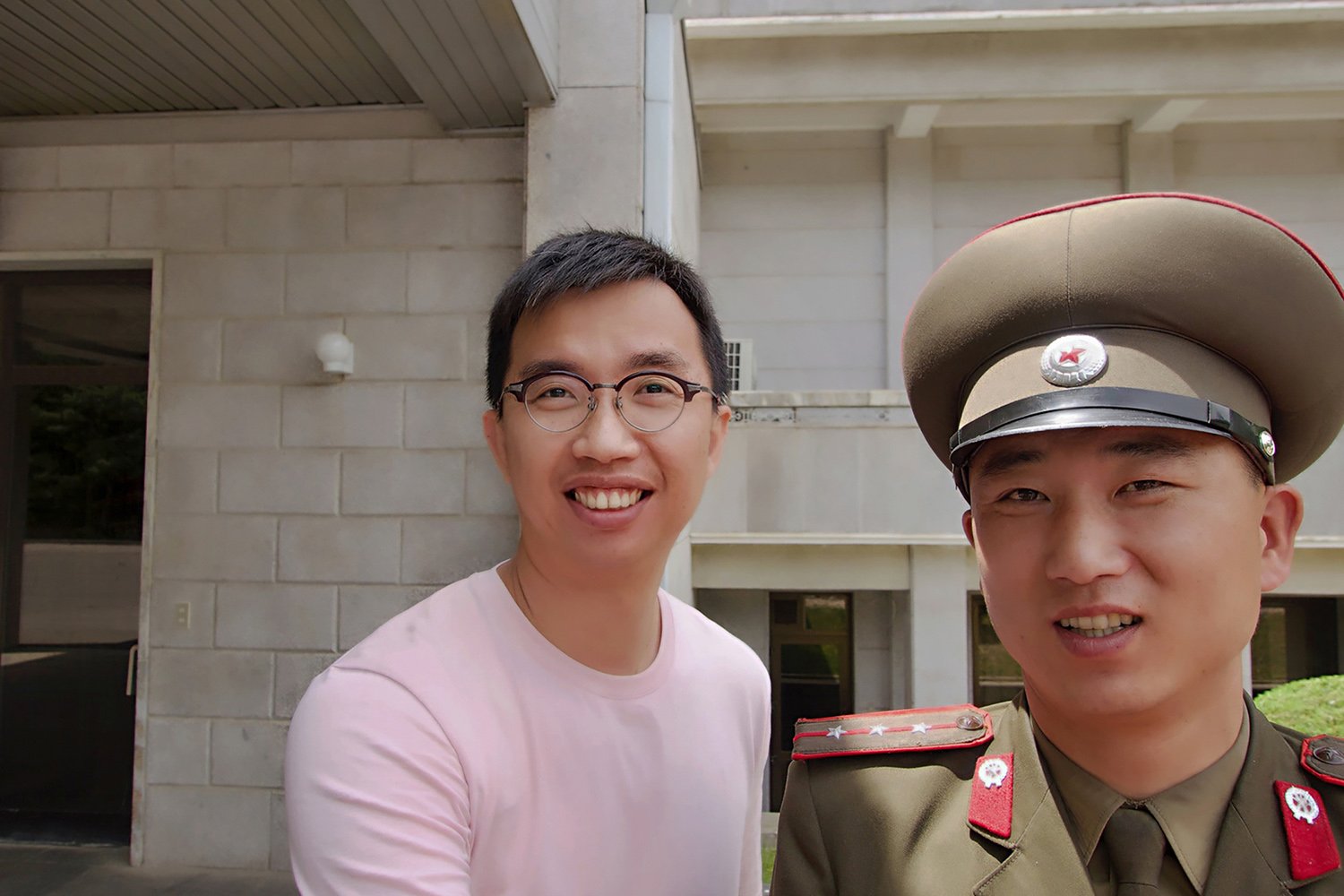
In George Wong’s Ways Into North Korea, the artist steps into a country that is not well understood beyond its borders. The work’s proposition is in the title: ways, glimpses, beginnings. In much the same way, the exhibition offers questions, not declarations – an invitation to consider what image-making is in this day and age. In seeing the numerous works of the exhibition, one answer becomes clear to me.
As I prepared to write this piece, I travelled from space to space to see each chapter of the exhibition. There is something about its scattered geography that heightens the sense of dislocation. One loses sight of the whole, but in doing so, the exhibition comes across as something more embedded, less confined. To see works that challenge the boundaries of method, form, thought, and theme only intensifies this feeling. If the things that are significant to us – memory, identity, meaning – inhabit the indeterminate, the fragile, and the in-between, then the art must also embrace the ambiguous, the overlapping, and the distorted in its approach.
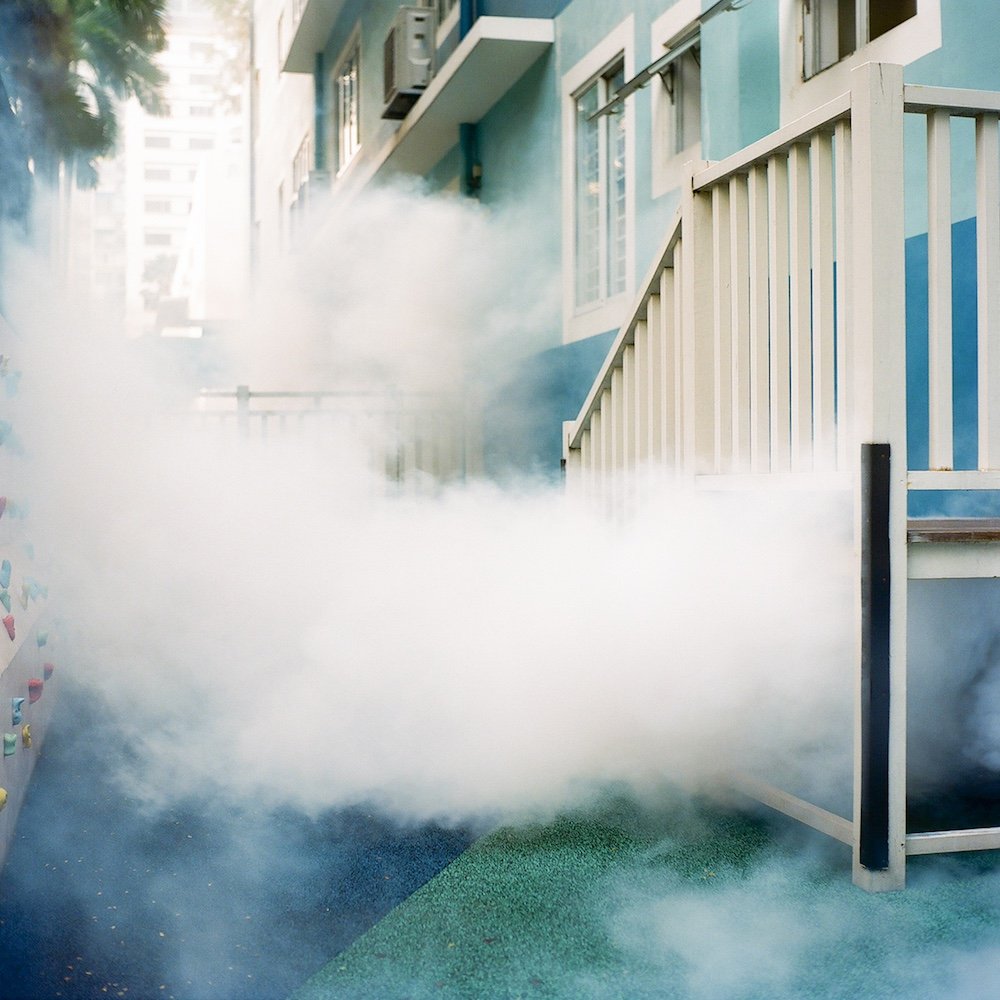
My mind keeps returning to the images of Kathy Anne Lim’s White Noise: large, square, dreamlike frames each covered in billowing white fumigation fog, devoid of people, with familiar shapes and lines peeking through – the form of Singaporean buildings, foliage fanning out, the outline of a swimming pool. Reflecting on the series, Lim writes of ‘a moment of blindness’ and a ‘fog of uncertainty’. As photographers, artists and writers in a world of accelerating change, perhaps we too must seek these moments of unseeing – diving into the unclear and undefined, shifting with the shifting lines and images.♦
All images courtesy the artist and DECK.
Singapore International Photography Festival runs until 31 January 2027.
–
Daryl Li is a writer of literary fiction and nonfiction based in Singapore. He is the author of two collections of essays – The Inventors (Rosetta Cultures, 2023) and Tenderly, Tenderly (Atomic Bohemian, 2024) – as well as a collection of short stories, Minor Illusions (Querencia Press, 2025). His work has been published in The Bombay Literary Magazine, LIKE A FEVER, Gastronomica, NANG, and PR&TA.
Images:
1-Zen Teh, Un-knowing, 2010–14
2-Jonathan Liu, The Death of Every Moment, 2023–
3-Zakaria Zainal, Gurkha Photography Museum, 2016
4-Ernest Wu, On This Day, 2018
5-Robert Zhao Renhui, A Guide to the Flora and Fauna of the World, 2013
6-Noor Iskandar, Gurindam Luka, 2024
7-Sherman Ong, Missing You, 2007
8-Takeshi Yamamoto, I AM A WITNESS: Silent Witnesses, Fukushima 2011–26, 2026.
9-Byron Mohammad Hamzah, Bunga dan Tembok, 2025
10-Bienyl Huelgas, CAVITEÑA, 2026–
11-Hidhir Badaruddin, Drills & Desire, 2025
12-Elizabeth Gabrielle Lee, Unusual Tethers, 2026
13-George Wong Yung Choon, Ways Into North Korea, 2018
14-Kathy Anne Lim, White Noise (Blue Suspended), 2017–20
1000 Words favourites
• Renée Mussai on exhibitions as sites of dialogue, critique and activism
• Roxana Marcoci navigates curatorial practice in the digital age
• Tanvi Mishra reviews Felipe Romero Beltrán’s Dialect
• Discover London’s top five photography galleries
• Tim Clark in conversation with Hayward Gallery’s Ralph Rugoff on Hiroshi Sugimoto
• Academic rigour and essayistic freedom as told by Taous Dahmani
• Shana Lopes reviews Agnieszka Sosnowska’s För
• Valentina Abenavoli discusses photobooks and community
• Michael Grieve considers Ute Mahler and Werner Mahler’s posthumous collaboration with their late family member
• Elisa Medde on Taysir Batniji’s images of glitched video calls from Gaza
Join us on Patreon today and be part of shaping the future of photographic discourse


