
10 Must-See Exhibitions: Summer 2026
With summer truly upon us, our quarterly art guide returns to shine a light on some of the season’s most captivating exhibitions and events. From highly anticipated retrospectives to ambitious surveys, the primer includes standout offerings from Les Rencontres d’Arles, as well as other major festivals including PHotoESPAÑA in Madrid and the Triennial of Photography in Hamburg, alongside two exhibitions in Scotland, and more.
1000 Words | Resource | 25 June 2026
Join us on Patreon
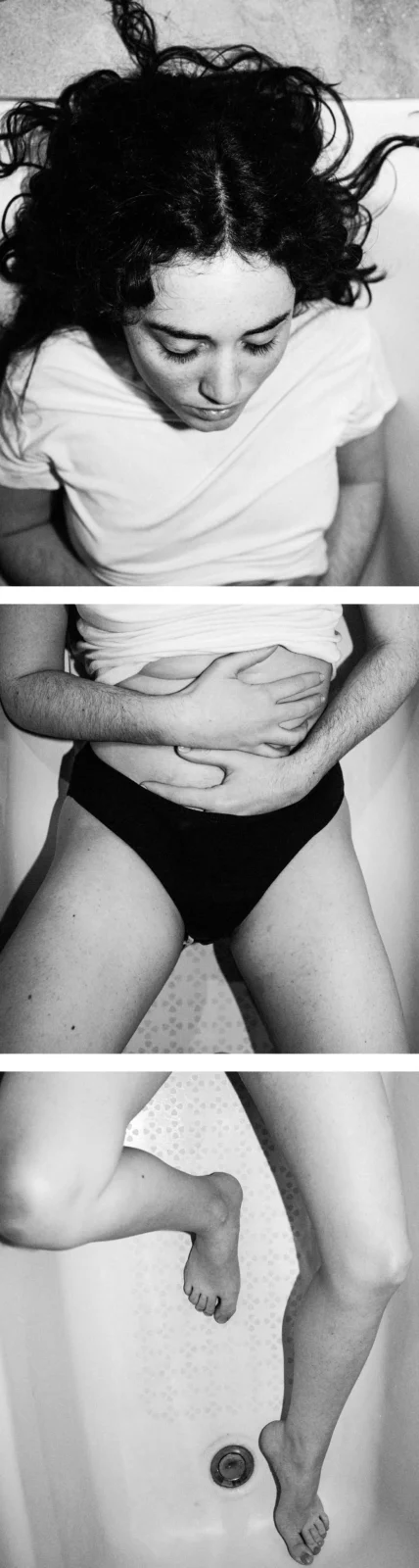
Laia Abril, Endometriosis – Museum of Romanticism, Madrid
2 June – 13 September
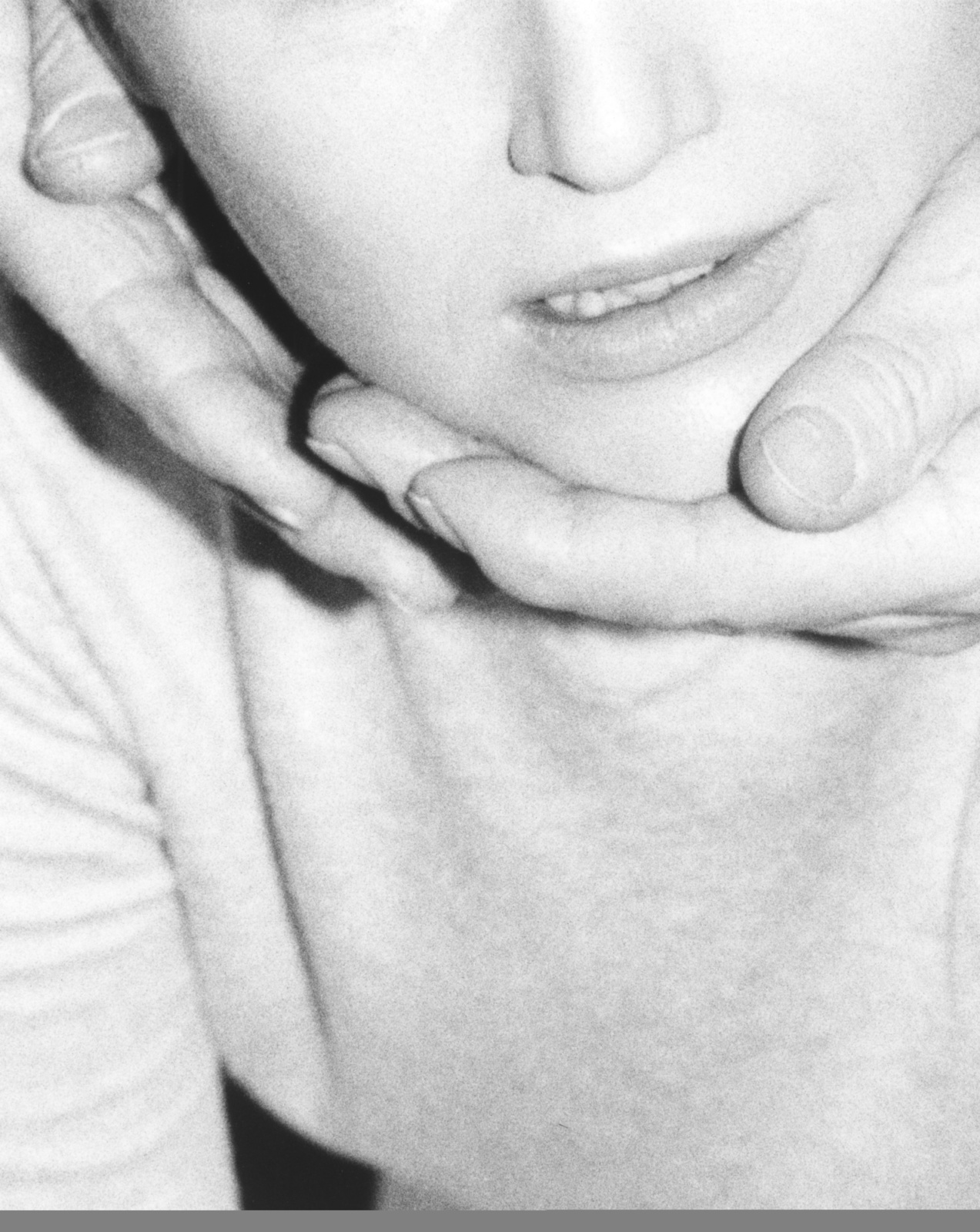
Housed in the Museum of Romanticism, an ornate Madrid institution better known for its Spanish Romantic paintings, a new photographic and research-led installation by Laia Abril figures people living with endometriosis in moments associated with pain, exhaustion, physical self-protection and attempts to obtain relief. Presented in the Official Section of the 29th PHotoESPAÑA, the images echo the suffering and reclining women of 19th century art and follows directly from Abril’s On Mass Hysteria and extends the concerns of her long-term project, A History of Misogyny. It’s timeline begins in 1860, when the condition was first described medically, but its focus is firmly contemporary. Namely, the lasting consequences of a healthcare system that has treated the male body as the universal standard. That bias, Abril tells us, has fuelled inadequate research, delayed diagnoses and the routine dismissal of symptoms as normal, exaggerated or psychological – a form of violence that has shaped the project’s focus on invisibility, disbelief and the gulf between the makeshift strategies patients use to survive and the scientific answers they are still denied.
Joanna Piotrowska, A Moment of Darkness at Noon – The Common Guild, Glasgow
23 May – 18 July
Joanna Piotrowska’s A Moment of Darkness at Noon turns The Common Guild in Glasgow into a charged, dreamlike chamber of bodies, fragments and uneasy intimacies. Working across large-scale black-and-white photography, collage, sculpture, textiles, and specially made frames, this highly anticipated exhibition extends the artist’s interest in Jungian psychoanalysis; particularly intuitive, associative and pre-verbal forms of expression. Within it Piotrowska splices together faces, limbs, animals, landscapes, and family images into strange new constellations that feel theatrical and faintly threatening. Long preoccupied with the push and pull between care and control, safety and confinement, she brings those tensions into sharper, more surreal focus here. Installed in the former school building’s upper galleries, it is Piotrowska’s first exhibition in Scotland. Devoted entirely to collage, A Moment of Darkness at Noon marks an exciting shift in a practice already celebrated for making the familiar feel deeply, deliciously strange.
Daido Moriyama, Love Letters to Photography – Henri Cartier Bresson Foundation, Paris
20 May – 4 October
Sidestepping the dutiful career retrospective, a new exhibition on the legendary Daido Moriyama goes straight for the live wire running through more than six decades of his work and takes up his restless, ecstatic and often combative obsession with the photographic image. 60 prints mingle with books, magazines, texts, and archival documents, creating a portrait not only of Moriyama but of photography looking back at itself. Moriyama has always treated the magazine page and photobook as active photographic spaces rather than secondary containers for his images, and a new 256-page publication accompanying the exhibition honours that while bringing 22 of his essays and fragments into the French language for the first time.
In Common, 20 Years of the Sputnik Photos Collective – Museum of Photography, Kraków
11 April – 13 September
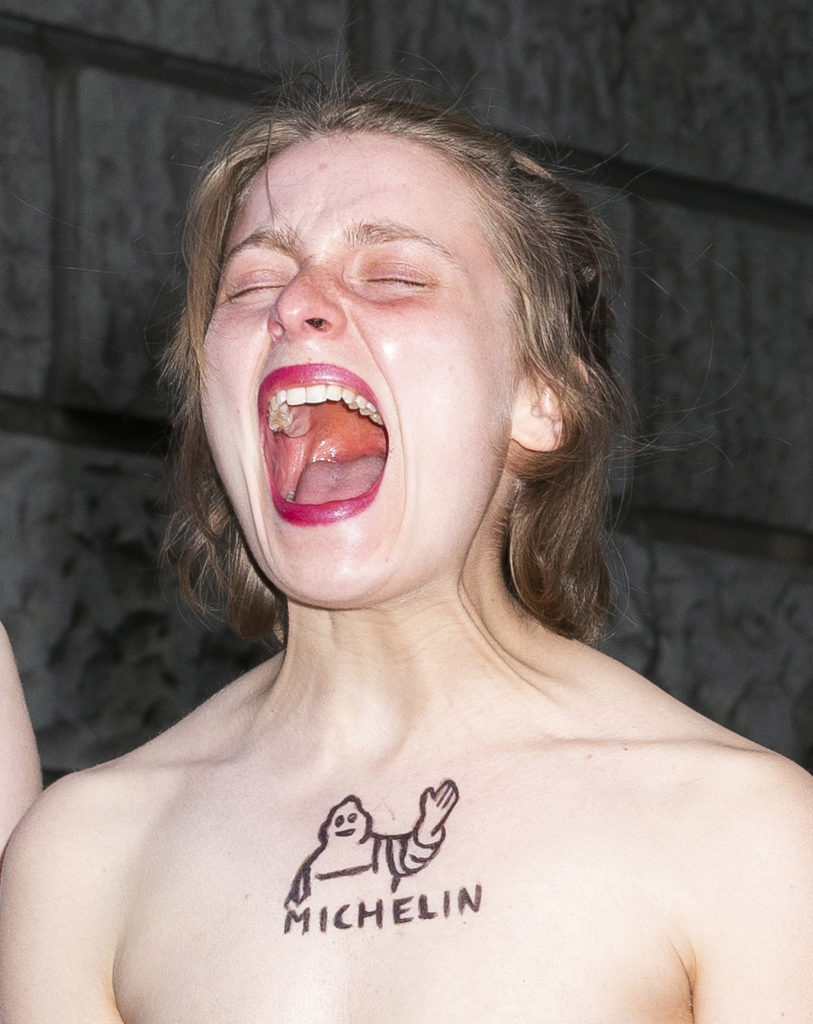
Sputnik Photos was founded in 2006 by photographers from Central and Eastern Europe whose formative experience was the political and economic transformation following the collapse of the Eastern Bloc. Its early membership stretched across Poland, Slovakia, the Czech Republic, Slovenia, Belarus, Latvia, and Georgia. In Common is an anniversary show with the brakes off. Curated by Marta Szymańska, it skips the polished victory lap and asks a livelier question, that is, what happens when documentary photography becomes a group verb? Installed at MuFo Rakowicka, itself housed in a converted 19th century military building, In Common makes a persuasive case for documentary photography as something active and gloriously untidy – a meeting place, an argument, a classroom, an archive and, when necessary, a tool for pushing back. The real subject of the show, then, is not simply the region the collective has photographed, but the changing ethics of documentary practice itself, who tells a story, who appears inside it, who signs it, and what an image might do once it leaves the photographer’s hands.
Portrait of a City: A Century of American Photography – Dulwich Picture Gallery, London
28 July – 4 October
Dulwich Picture Gallery goes for metropolitan voltage in Portrait of a City: A Century of American Photography, a restless, street-level survey of urban America from the early 1900s to the 21st century. Placing canonical modernist images alongside humanist documentary, the exhibition traces the rise of urban photography as a defining mode of 20th century image-making, moving fluidly between social documentary, street photography, architectural study, and portraiture through the work of multiple generations of photographers. Diane Arbus, Mary Ellen Mark, Margaret Bourke-White and others bring a particularly sharp focus to people living beyond the polished metropolitan image, their photographs combining formal invention with empathy, confrontation and social witness. Installed within the measured elegance of Dulwich’s historic galleries, the show promises a lively clash of settings, a century of American speed, grit and reinvention unfolding inside one of London’s most refined museum spaces.
Abdulhamid Kircher, Rotting from Within – PHOXXI, Deichtorhallen Hamburg
5 June – 1 November
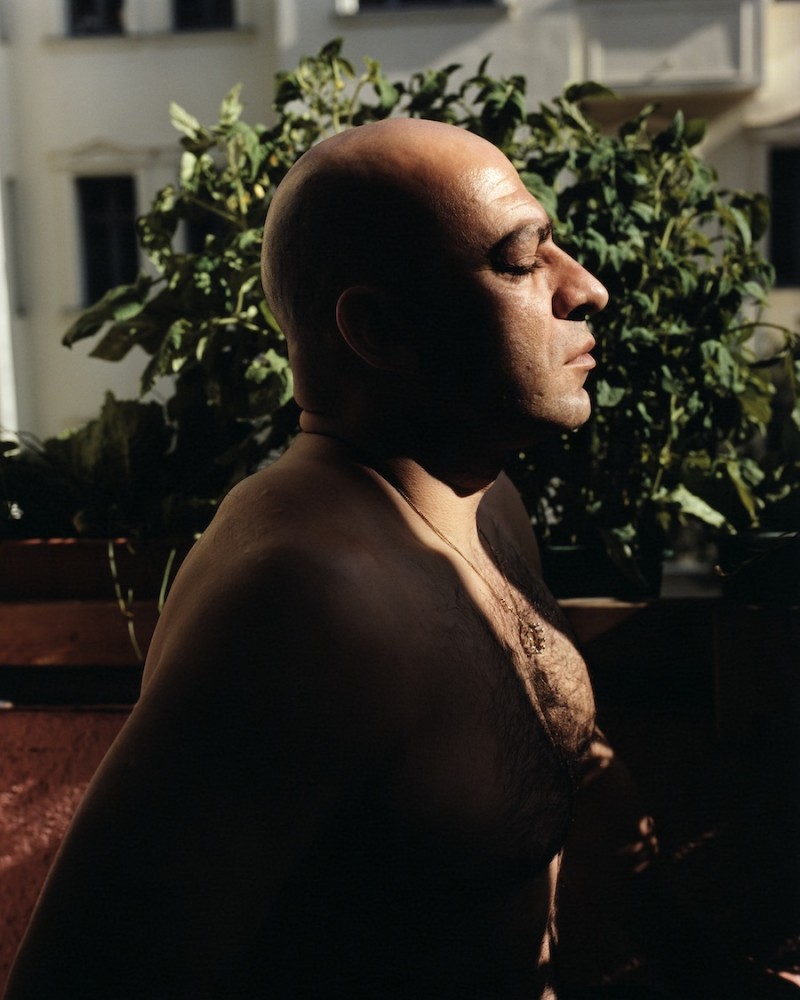
Rotting from Within takes its title from Abdulhamid Kircher’s fear that, despite years of separation, something of his father might still live inside him. In this deeply autobiographical exhibition, the German-Turkish artist uses analogue photography to trace the emotional inheritance passed between generations of men in his family. Presented as part of the Triennial of Photography Hamburg, the show brings together images made between Berlin and Turkey with family snapshots, archival documents, personal objects, and diary-like texts. The result feels less like a conventional documentary sequence than a volatile, living family album by way of an elaborate, site-specific installation. While earlier versions centred on Kircher’s father, the Hamburg presentation draws his late paternal grandfather into the frame, bringing three generations into view. Migration from rural Turkey to Germany, cultural displacement, emotional repression and patriarchal authority emerge as forces shaping recurring cycles of violence, absence and abandonment.
Katia Kameli, The Algerian Novel (A New Chapter) – Les Rencontres Arles 2026
6 July – 4 October
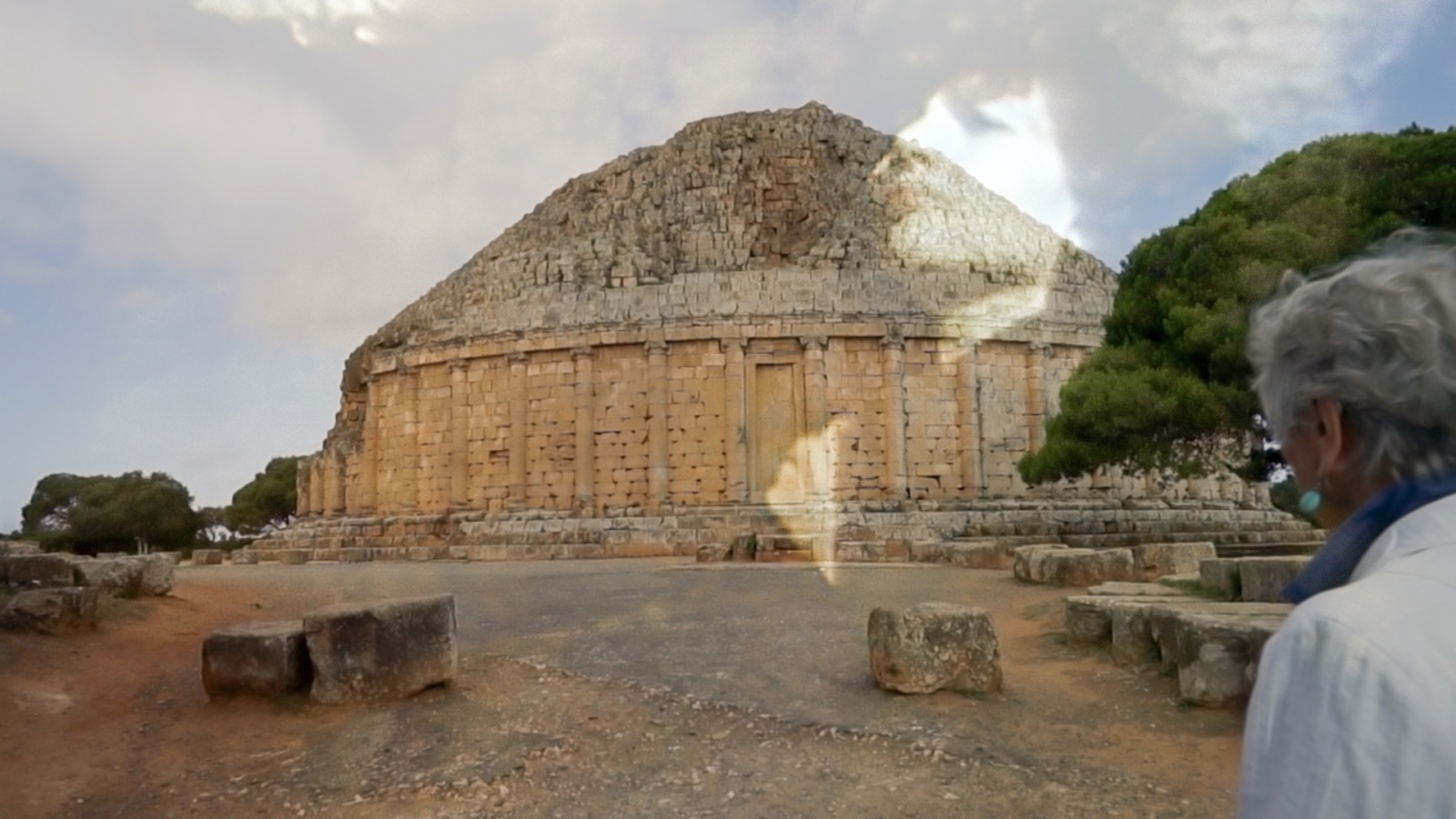
Begun in 2016 and now opening a new chapter at Les Rencontres d’Arles – inside the Église Saint-Blaise, the former conventual church of the Abbey of Saint-Césaire – Kameli’s project is a layered, polyphonic film essay. Postcards, press photographs, artworks, popular objects, and remembered voices jostle together, complicating how Algeria’s national history is pictured and passed on. A French-Algerian artist who has long described her role as that of a translator, Kameli moves between images, languages and inherited narratives, allowing past and present to continually revise one another. Here she turns to Assia Djebar’s 1978 film-poem La Nouba des femmes du Mont Chenoua, a landmark work that approaches Algerian history through the voices of women from different generations. The chapter extends a wider practice spanning Algeria’s visual history, raï music, the Eastern origins of La Fontaine’s fables, and medieval Persian poetry – following stories as they travel between cultures, acquire new meanings and return in altered forms.
Wendy McMurdo, The Digital Mirror – National Galleries Scotland: Portrait, Edinburgh
30 May – 25 October
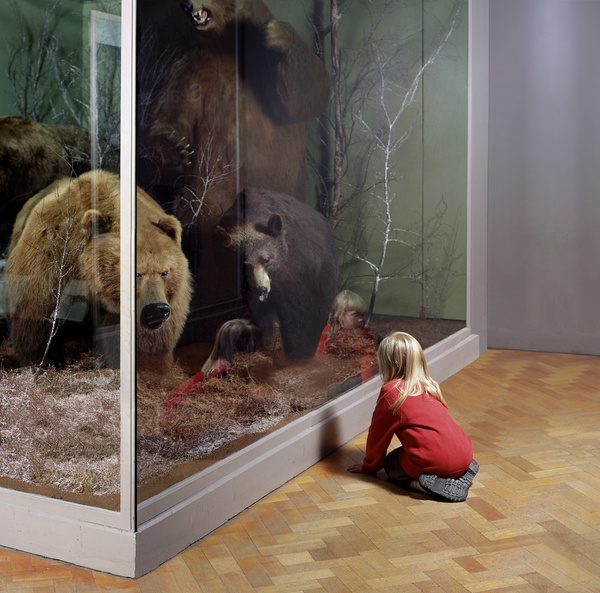
The Digital Mirror is Wendy McMurdo’s largest exhibition to date, bringing together more than 50 works made chiefly between 1995 and 2018. Photographs, working contact sheets, unseen images, and rarely shown digital animations spill across the Portrait’s Library and Upper Balcony, mapping three decades of fascination with childhood, technology and the idea of the unstable image. For example, early 20th century dolls from Edinburgh’s Museum of Childhood sit beside works that helped shape McMurdo’s visual world, including sculptures by Eduardo Paolozzi and Henry Raeburn’s The Skating Minister. McMurdo’s practice emerged from the friction of the early digital moment, drawing on the photographic double, Surrealism, and the cyborg, while staying rooted in classrooms, museums, workshops, and the everyday theatre of childhood. Three decades on, her questions feel sharper than ever: what does a screen teach a child to see? What kinds of selves do games and algorithms produce? And where does imaginative freedom end and technological violence begin?
Diana Markosian, Replaced – Gallerie d’Italia, Turin
10 April – 6 September
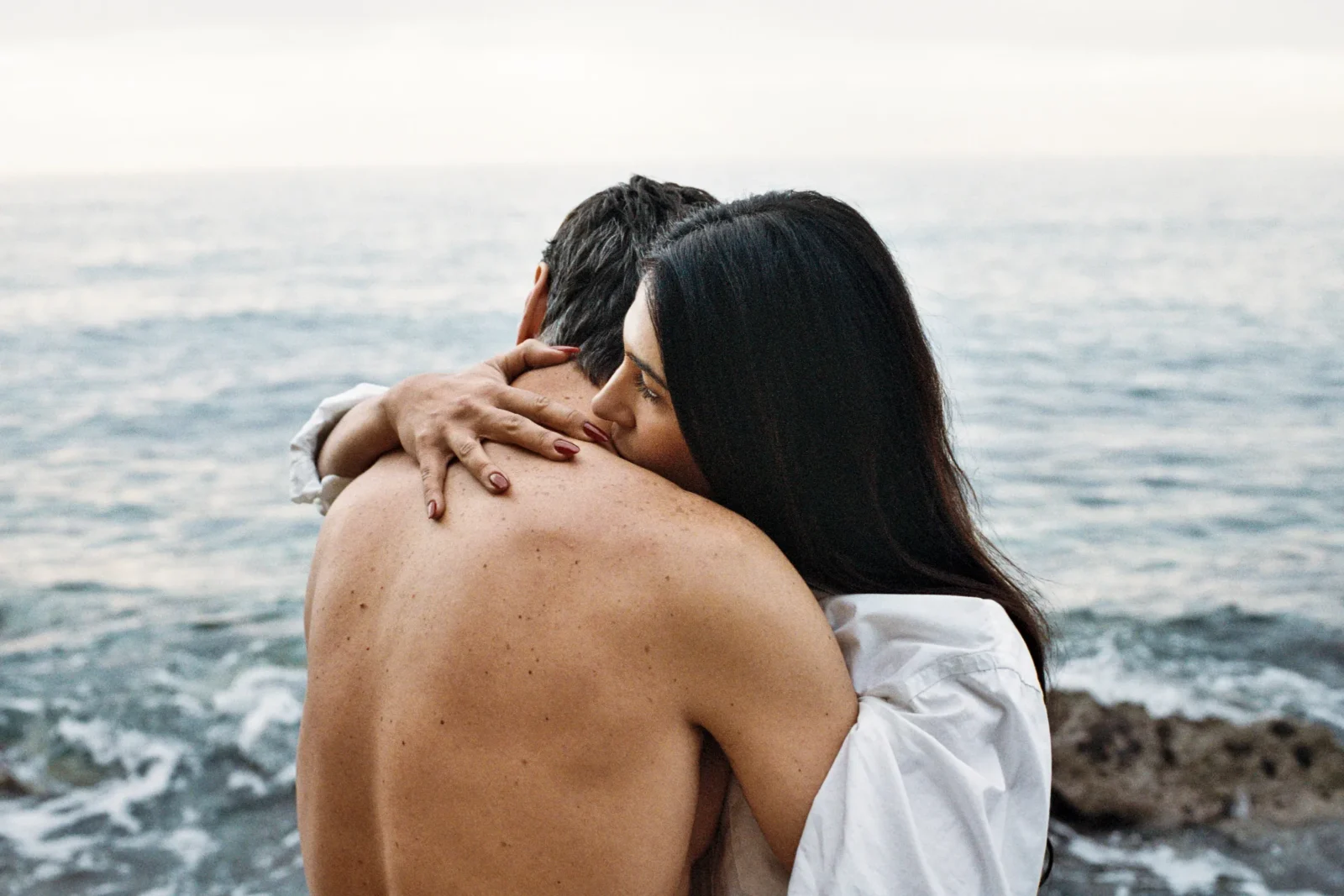
The third EXPOSED Torino Photo Festival takes the theme Laid Bare, inviting artists to look beneath appearances and examine the relationship between identity and representation, body and image, and the visible and invisible. Markosian’s exposure of her own romantic history fits that framework almost painfully well. Replaced combines a newly produced photographic series with an immersive film adapted for the museum’s projection room. The film moves between individual images and split-screen compositions, giving the photographs duration and allowing different versions of the same memories to overlap. The work grew from the end of a relationship that lasted more than a decade. Markosian became fixated not only on losing the person she loved, but on the thought that their apparently private gestures, locations and rituals could be repeated with somebody else. She hired an actor to embody her former partner and retraced their relationship through staged reconstructions, returning to various cities, staying in the same hotels and repeating experiences once shared with him.
GHANA! Dreaming independence, 1957-1976 – Les Rencontres Arles 2026
6 July – 4 October
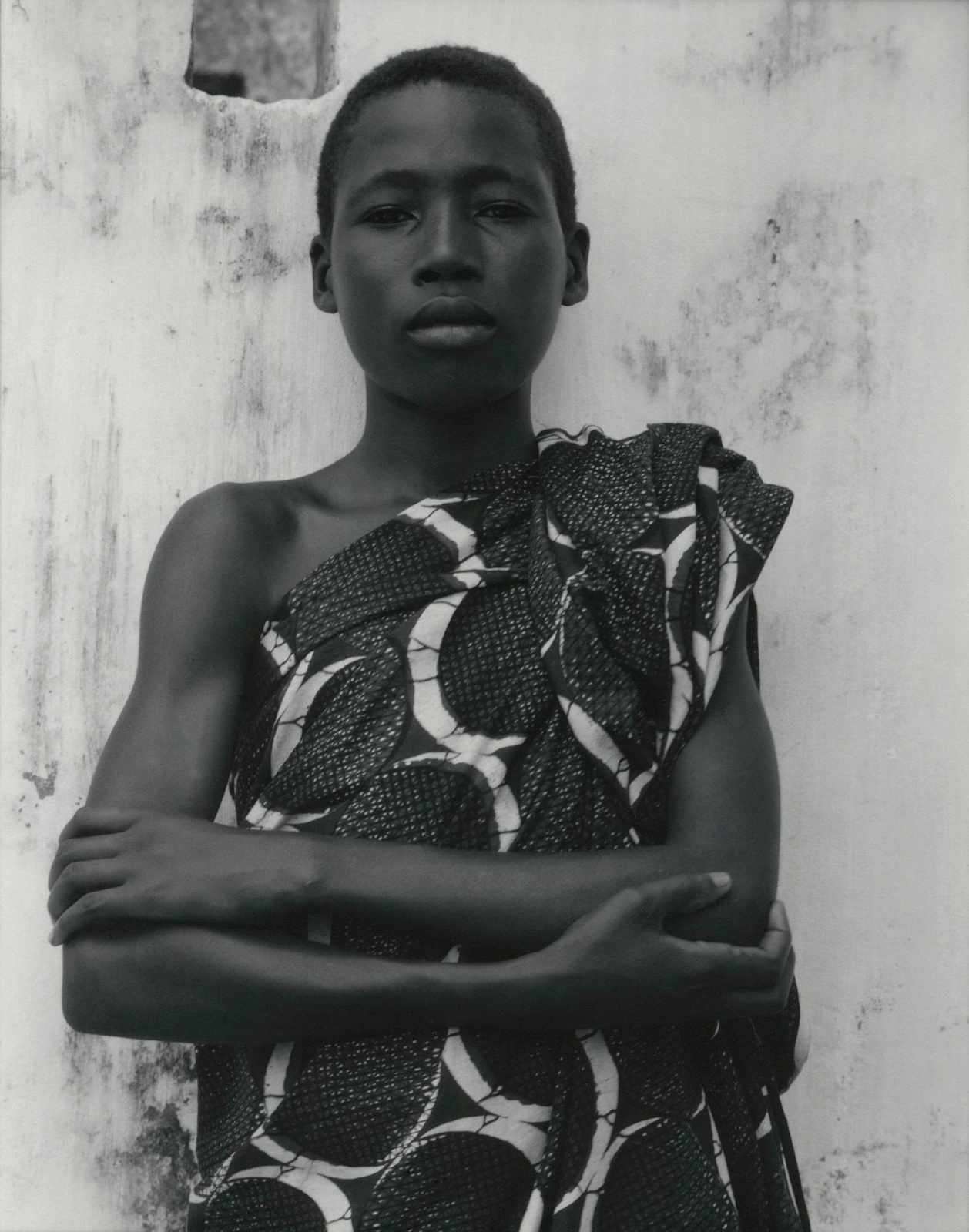
GHANA! Dreaming Independence, 1957–1976 bursts into view as a vivid, multi-voiced portrait of a country learning to picture itself anew. Developed by curator and photography historian Damarice Amao through Les Rencontres d’Arles’ 2020 Curatorial Research Grant, the exhibition begins with Ghana’s independence on 6 March 1957, when the former British colony of the Gold Coast, led by Kwame Nkrumah, became a trailblazer for political emancipation and Pan-African possibility across sub-Saharan Africa. Photography becomes one of the young nation’s liveliest building tools, bouncing from studio portraits and street scenes, all helping to circulate a fresh image of Ghana at home and abroad. Landmark publications such as Willis E. Bell and Efua T. Sutherland’s The Roadmakers (1961) and Paul Strand’s Ghana: An African Portrait (1976) pushed against the stiff visual grammar of colonial representation, opening room for Ghanaian people to appear not as ethnographic “subjects” but as cultural makers and participants in a shared national future. Visual sovereignty and postcolonial self-representation is the order of the day. ♦
-1000 Words
Images:
1-Laia Abril, Endometriosis, 2026. © Laia Abril
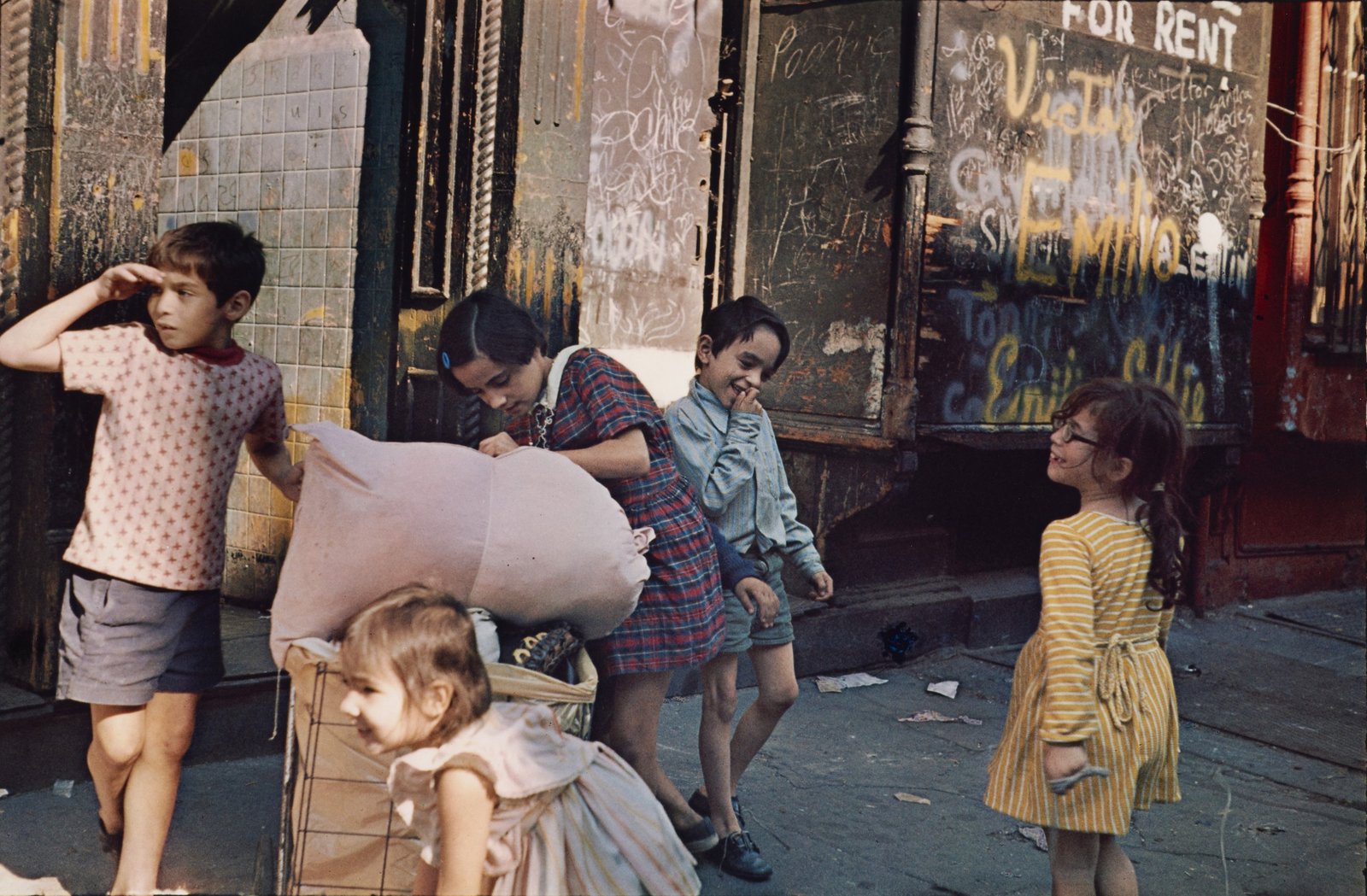
2-Helen Levitt, New York, 1972. © 2026 Film Documents LLC
3-Abdulhamid Kircher, Untitled, 2017 Courtesy of the artist and carlier | gebauer, Berlin/Madrid © Abdulhamid Kircher
4-Katia Kameli, Still from The Algerian Novel (Chapter 1, 2016, video). Courtesy of the artist and ADAGP, Paris
5-Wendy McMurdo, Girl with Bears, Royal Museum of Scotland, Edinburgh. © Wendy McMurdo
6-Diana Markosian, from the series Replaced, 2026
7-Paul Strand, Samuel J.K. Essoun, Shama, Ghana, 1964. Courtesy Paul Strand Archive and Aperture.
8-Rafał Milach, Solidarity with Belarusian women and men, screaming outside the EP, Warszawa, 2021. © Rafał Milach
9-Joanna Piotrowska, Untitled, 2026. Courtesy of the artist and Phillida Reid
10-Daido Moriyama, Komoro, Nagano, Japon, 1977 © Daido Moriyama Photo Foundation
1000 Words favourites
• Renée Mussai on exhibitions as sites of dialogue, critique and activism
• Roxana Marcoci navigates curatorial practice in the digital age
• Tanvi Mishra reviews Felipe Romero Beltrán’s Dialect
• Discover London’s top five photography galleries
• Tim Clark in conversation with Hayward Gallery’s Ralph Rugoff on Hiroshi Sugimoto
• Academic rigour and essayistic freedom as told by Taous Dahmani
• Shana Lopes reviews Agnieszka Sosnowska’s För
• Valentina Abenavoli discusses photobooks and community
• Michael Grieve considers Ute Mahler and Werner Mahler’s posthumous collaboration with their late family member
• Elisa Medde on Taysir Batniji’s images of glitched video calls from Gaza
Join us on Patreon today and be part of shaping the future of photographic discourse


