
10 Must-See Exhibitions: Spring 2026
Our quarterly guide to the global art calendar returns, spotlighting must-see exhibitions for Spring 2026, from this year’s Deutsche Börse Photography Foundation Prize at The Photographers’ Gallery, London, to Salvatore Vitale’s show at Photo Elysée in Lausanne, and beyond.
1000 Words | Resource | 31 Mar 2026
Join us on Patreon
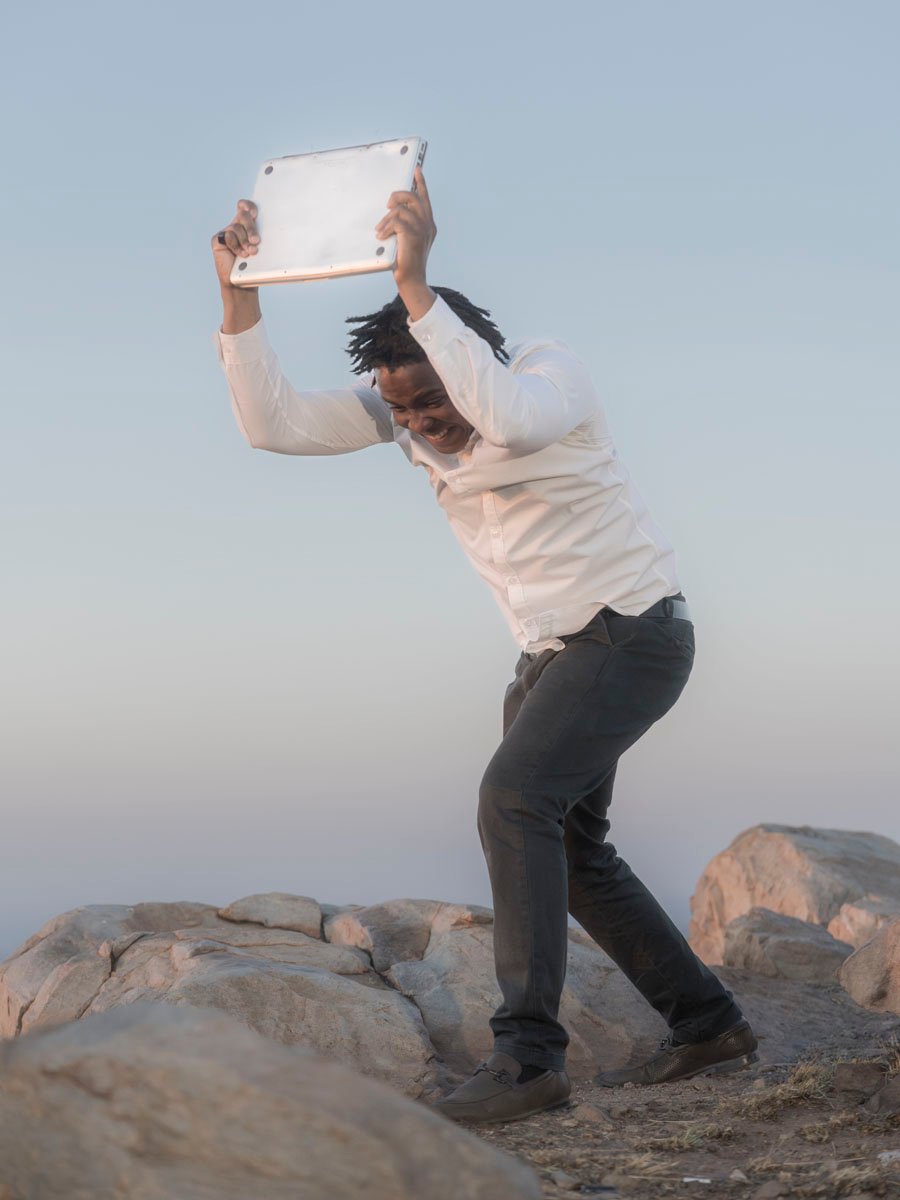
Salvatore Vitale, Sabotage – Photo Elysée, Lausanne
6 March – 31 May
Bringing together the entirety of his long-term project Death by GPS for the first time, Salvatore Vitale’s large scale exhibition at Photo Elysée moves from a corridor evoking the polished neutrality of corporate space through fractured workstations and into a closing scene of electronic waste. In the process, it traces the cycle of promise, productivity, exhaustion and disposal that underwrites the gig economy. Across film, photography, archives, textiles and graphic works, Vitale focuses on the lives of South African freelancers and precarious platform workers whose labour remains indispensable even as it is rendered invisible by systems of data and algorithmic control. Works such as Work Without Work, I Am a Human and Automated Refusal suggest sabotage as a counter-gesture, bringing into view the human cost and latent resistance concealed within digital capitalism. The exhibition’s immersive sequencing gives that argument a particular physical clarity, turning digital labour into something atmospheric and, at times, oppressively present.
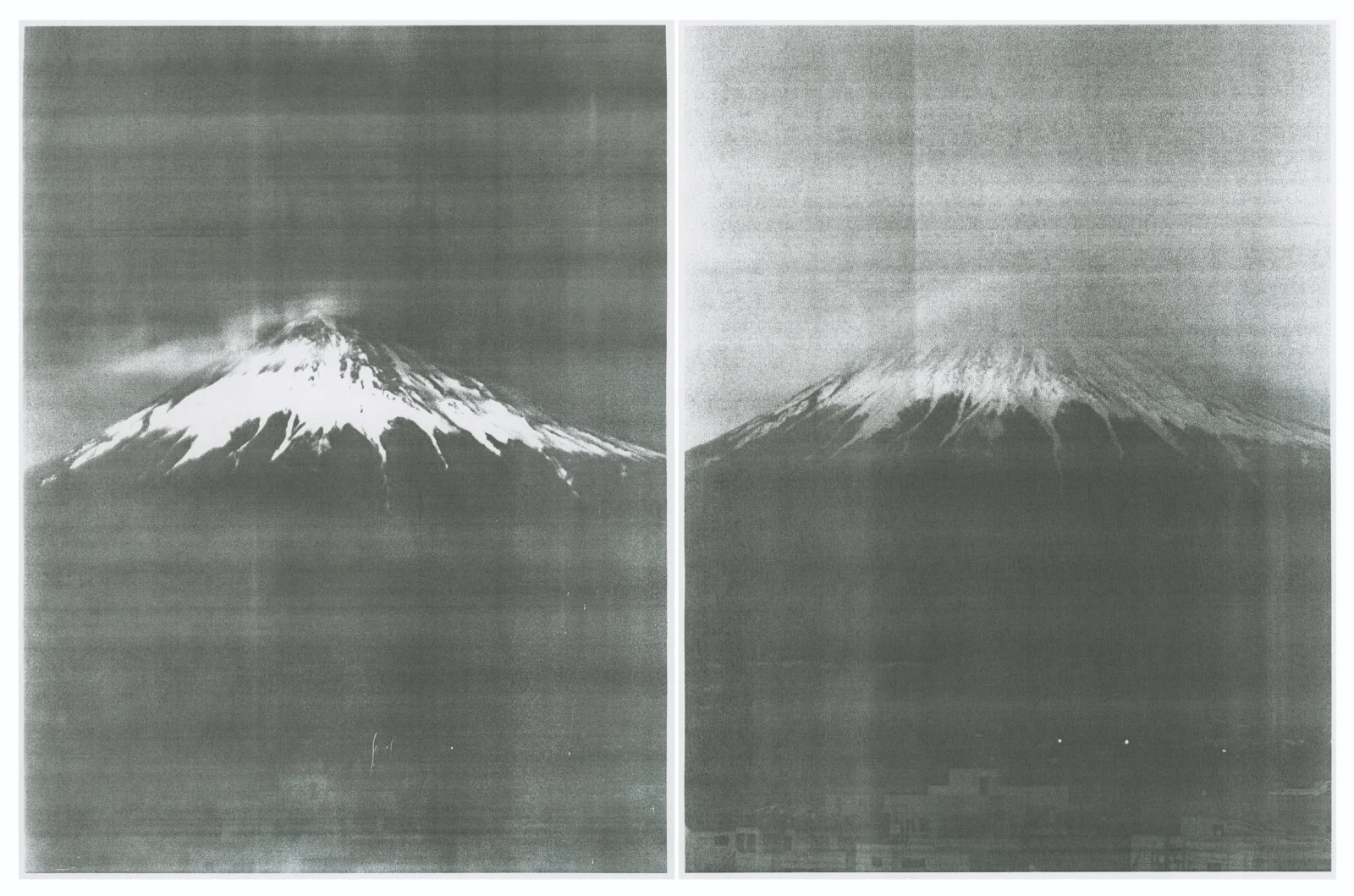
HARD COPY NEW YORK – International Centre of Photography, New York
29 January – 4 May
With HARD COPY NEW YORK, the International Centre of Photography gives the photocopied image a scale and seriousness that feel both overdue and faintly irreverent. Developed by Aaron Stern with David Campany as an expanded iteration of an ongoing project, the exhibition gathers a multigenerational roster (including Stephen Shore, Thomas Ruff, Ari Marcopoulos, Ryan McGinley, Collier Schorr, Gray Sorrenti and Andre D. Wagner) and submits their photographs to the drag, toner and abrasion of the Xerox process. In a moment when images circulate frictionlessly and rarely acquire physical form, these pinned, stapled and taped sheets recover something tactile, and more democratic about photography, turning reproduction itself into the medium’s subject. From Gray Sorrenti’s 51-foot autobiographical mural to Shore’s Factory pictures, first circulated in deliberately low-grade form, the exhibition gives photocopying a history as well as a present tense, finding in it a visual language of mutability and stubborn material appeal.
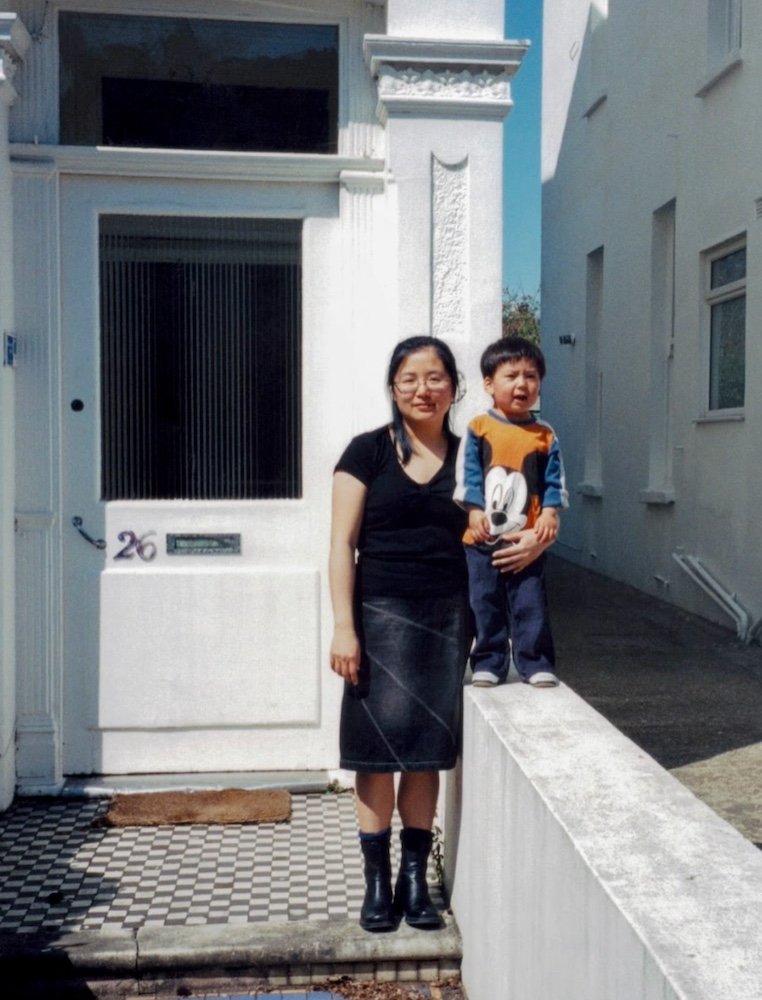
Familial – Centre for Contemporary Photography, Melbourne
11 February – 25 April
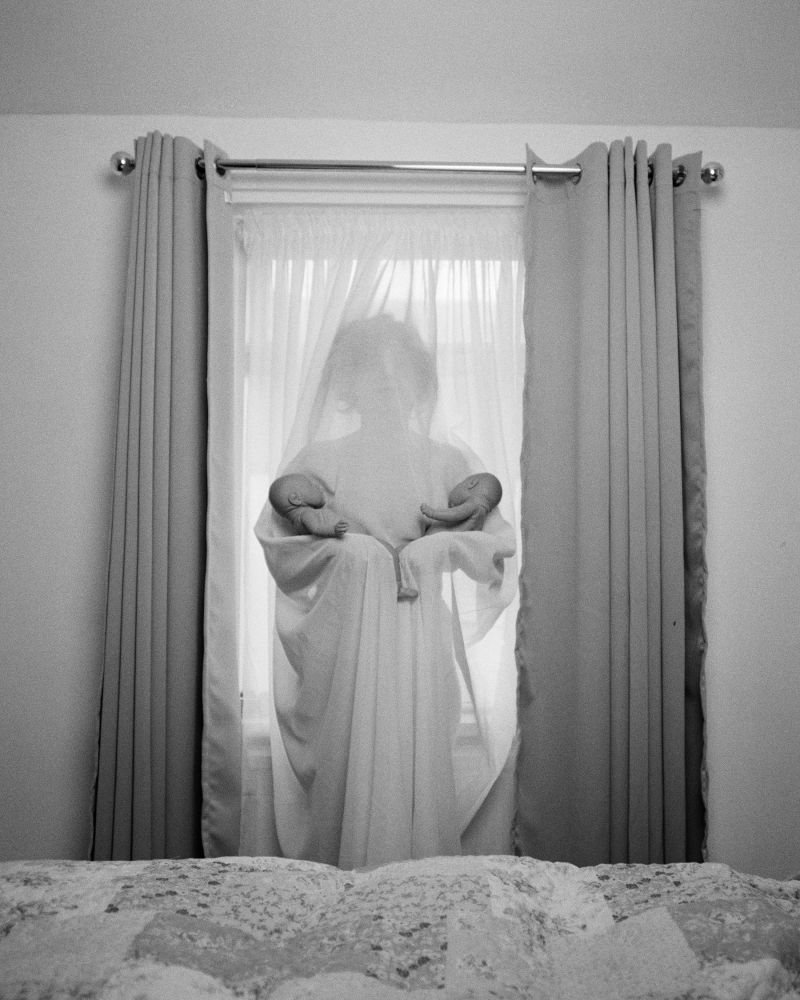
Taysir Batniji, EJ Hassan, Nur Aishah Kenton, Mariela Sancari, Abigail Varney and Annie Wang take up a subject so familiar it risks sentimentality, yet from it emerges something more difficult and enduring — grief, rupture, migration, tenderness and the stubborn afterlife of intimacy, all uncannily attuned to the temper of the present. The exhibition moves across distinct personal and geographic circumstances — from Batniji’s unstable WhatsApp exchanges with his mother in Gaza to Sancari’s portraits of older men wearing her late father’s clothes; from Hassan’s diaristic images of her twin sons to Wang’s long-running mother-son portraits, Kenton’s attempts to work through inherited trauma, and Varney’s layered invocations of maternal loss. Across these different practices, the idea of family isn’t shown as a stable, comforting unit — rather it is marked by absence and memory, and shaped by a series of sustained encounters with its consolations, fractures and unresolved ache.
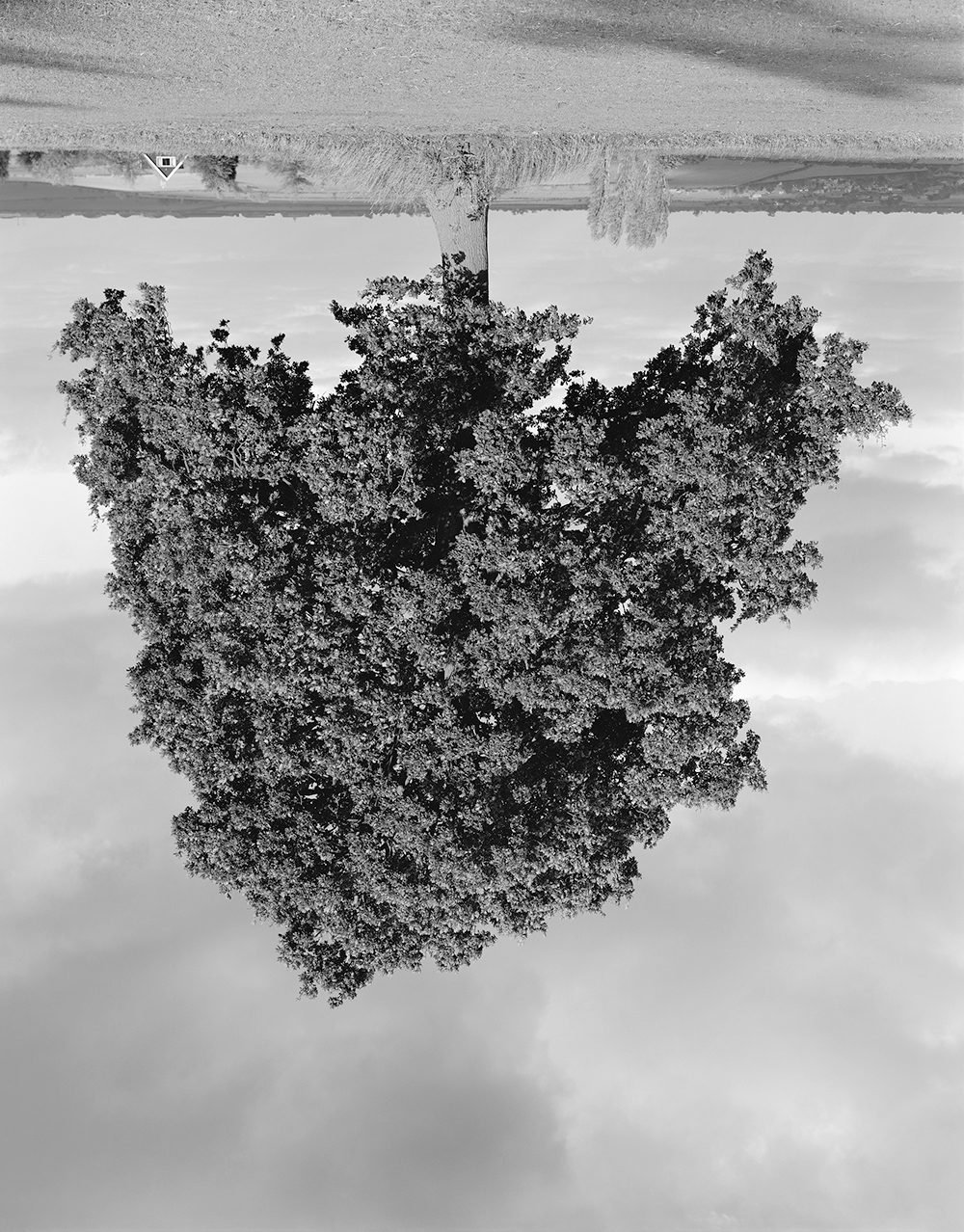
Rodney Graham, Who does not love a tree? – Lisson Gallery, London
18 February – 11 April
Rodney Graham’s latest exhibition at Lisson Gallery turns, with characteristic wit and philosophical exactness, toward the tree as image, actor and comic double. The gallery’s fifteenth exhibition with the late artist centres on two major bodies of work — the upside-down Oxfordshire Oaks photographs from 1990 and the immersive two-screen film Edge of a Wood (1999) — alongside the sly conceptual absurdity of Lobbing Potatoes at a Gong and Potatoes Blocking my Studio Door. What emerges is a compact survey of Graham’s longstanding fascination with the devices through which nature is staged and estranged: the camera obscura, the pinhole camera, cinematic projection, the lightbox, and the performed gesture. His inverted trees read at once as portraits, jokes and metaphysical propositions, while the later forest film shifts from solitary pastoral encounter toward a more ominous zone of hovering surveillance. Accompanied by a new text by Max Porter, the exhibition understands that in Graham’s hands the natural world was never merely pastoral; it was always also theatrical, technological and faintly uncanny.
Deutsche Börse Photography Foundation Prize 2026 – The Photographers’ Gallery, London
6 March – 7 June
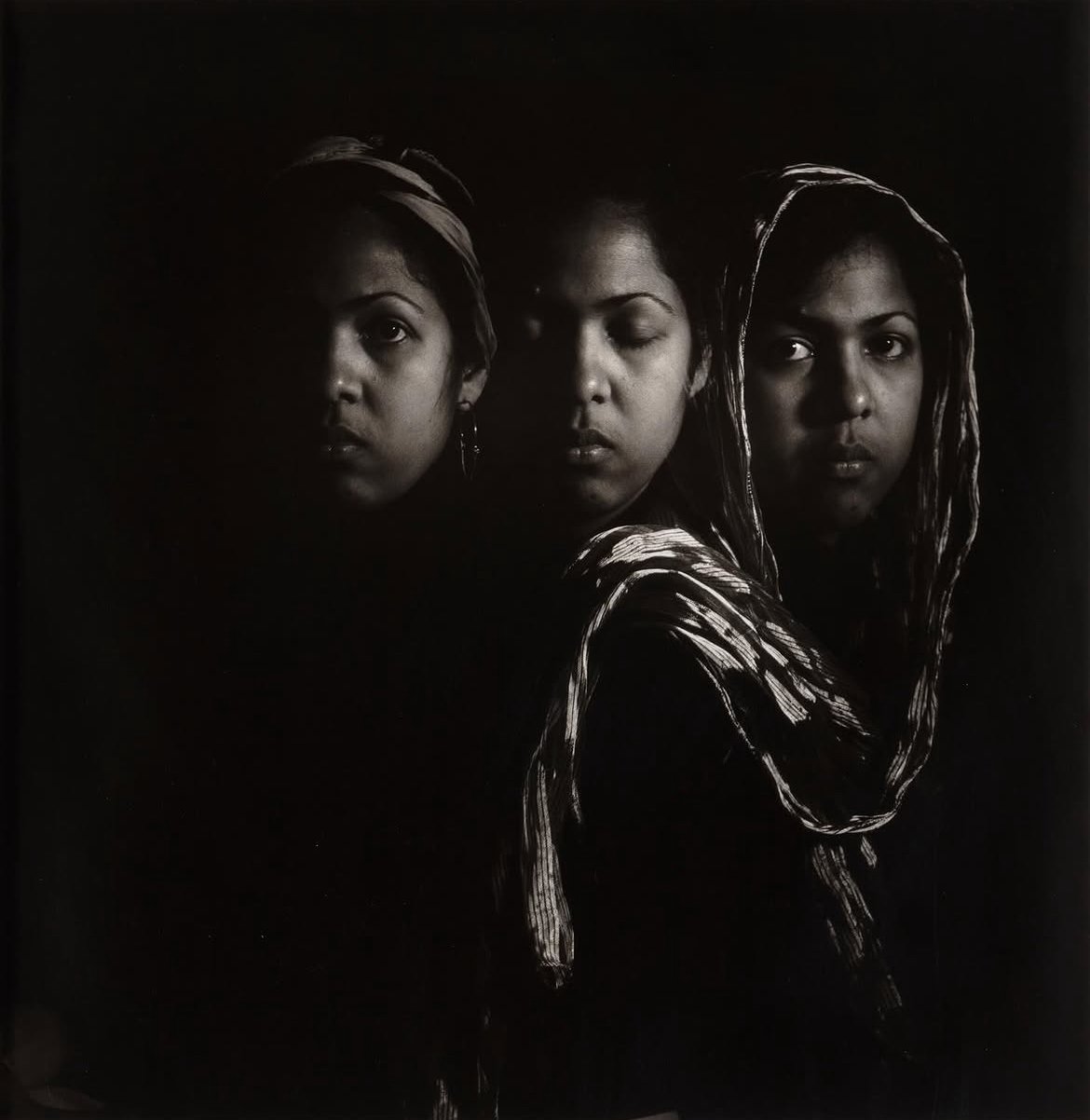
The prestigious Deutsche Börse Photography Foundation Prize returns to The Photographers’ Gallery as a kind of annual temperature check on the state of the medium. This year’s shortlist – Jane Evelyn Atwood, Weronika Gęsicka, Amak Mahmoodian, and Rene Matić – moves across prison advocacy, fabricated knowledge, exile, memory, subculture and the politics of belonging, bringing together revised publication, installation, video, sound and conceptual image-making under one roof. Atwood’s decade-long work on women’s prisons reanimates long-standing debates around documentary, advocacy and the limits of representation, while retaining the emotional gravity of witness through a practice grounded in research and sustained attention. Ultimately, the work brings us close to women whose lives have been brutalised and made disposable. Gęsicka’s counterfeit encyclopaedic worlds, with their sly use of A.I., raise another set of problems altogether. Mahmoodian’s collaborative meditations on displacement are more quietly affecting, while Matić’s intimate accounts of everyday life, for all their immediacy, fit comfortably within those currents of contemporary art focused on identity and affirmed by institutional taste.
Lewis Bush, An Infinitely Dark Legacy – NŌUA, Bodø
7 March – 26 April
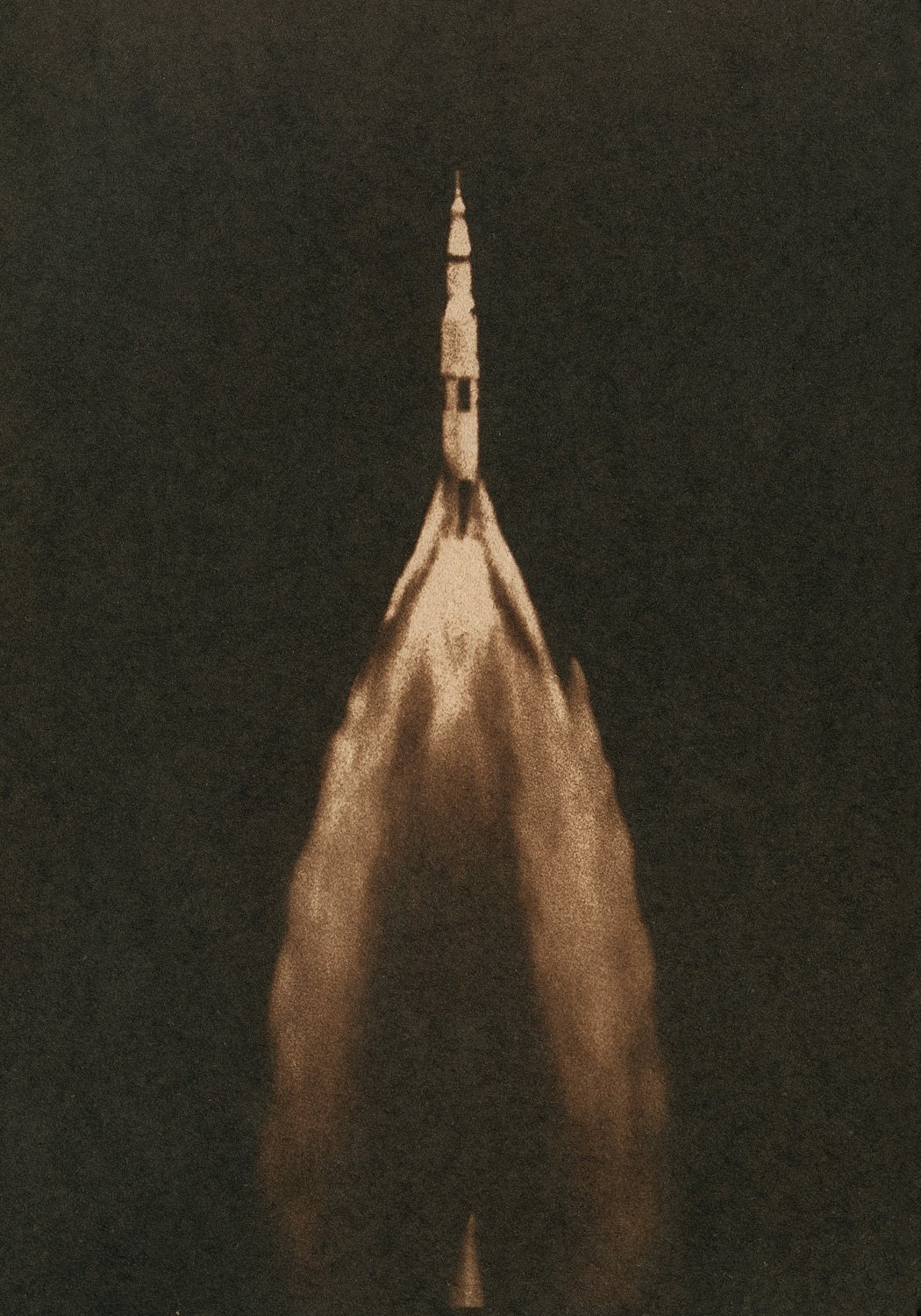
At NŌUA, Lewis Bush’s An Infinitely Dark Legacy folds the dream of space travel back into the violence from which it first emerged. Based on his project and book developed with Jens Temmen, Depravity’s Rainbow (2018–23), the exhibition traces the entanglement of modern rocketry with the Second World War and the Holocaust, centring in particular on the compromised figure of Wernher von Braun, whose trajectory ran from Nazi missile development using slave labour to the mythology of the Apollo programme. Bush structures the show through two visual registers: small framed prints drawn from archival material spanning pre-1945 German projects and postwar American programmes, and larger cyanotype fabric works, modelled on fascist banners, depicting largely forgotten sites of missile development, incarceration, launch, and impact across Europe. The effect is deliberately uneasy, as he lets wonder and atrocity remain uncomfortably bound together, showing how the future was built, in part, from histories it still struggles to acknowledge.
Jo Ractliffe, En ces lieux / Out of Place – Jeu de Paume, Paris
30 January – 24 May
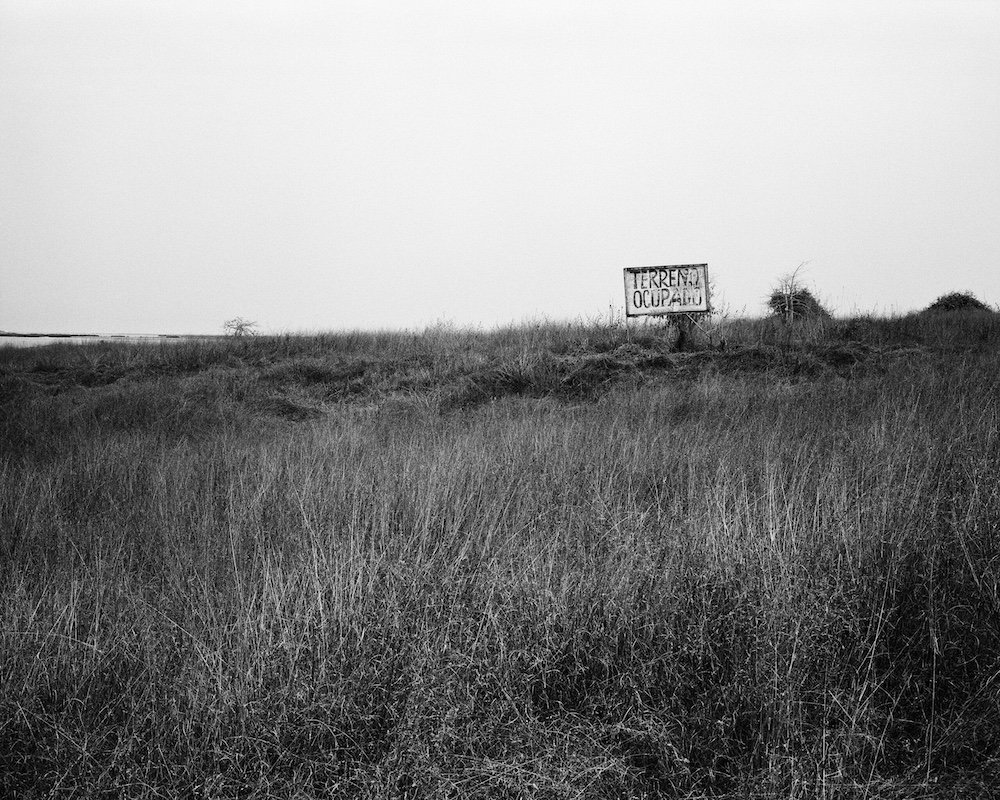
Jeu de Paume’s survey of Jo Ractliffe unfolds with the grave, lucid patience that has long distinguished her photographs, gathering more than four decades of work around the idea that landscapes absorb and bear histories. Curated by Pia Viewing, En ces lieux / Out of Place follows Ractliffe from 1982 to the present through terrains marked by apartheid, war, displacement and their long aftermaths, while refusing the bluntness of reportage in favour of atmosphere and delayed recognition. Recent writing around the exhibition suggests a more anchored and expansive reading of her practice, one that moves beyond the loose category of ‘landscape’ and includes more than a hundred previously unexhibited photographs, alongside The Garden, a new series shown for the first time. This feels crucial, grounding the images more firmly in their specific settings and giving Ractliffe’s long attention to aftermath, residue and mute trauma a renewed specificity.
Ten.8 afterimage – The New Art Gallery Walsall, Walsall
1 May – 13 September
Rather than treating Ten.8 as a sealed chapter in British photographic history, Ten.8 afterimage returns to the journal as an unfinished set of arguments still pressing on the present. Curated by Pelumi Odubanjo in partnership with International Curators Forum, the exhibition revisits the Midlands publication’s fierce engagement with representation and visibility, setting photographs from the 1980s and 1990s against more recent works and a new commission by Heather Agyepong. What begins in the radical cultural landscape from which Ten.8 emerged — shaped by Black British cultural politics, feminist and queer struggles, anti-apartheid movements, and resistance to colonial and state violence — opens outward into a dense cross-generational conversation among Ajamu X, Dawoud Bey, Zarina Bhimji, Rotimi Fani-Kayode, Sunil Gupta, Ingrid Pollard, Carrie Mae Weems, Deborah Willis, and many others, giving the exhibition a scale that feels expansive rather than commemorative.
Ghostland – Palazzo da Mosto, Reggio Emilia
30 April – 14 June
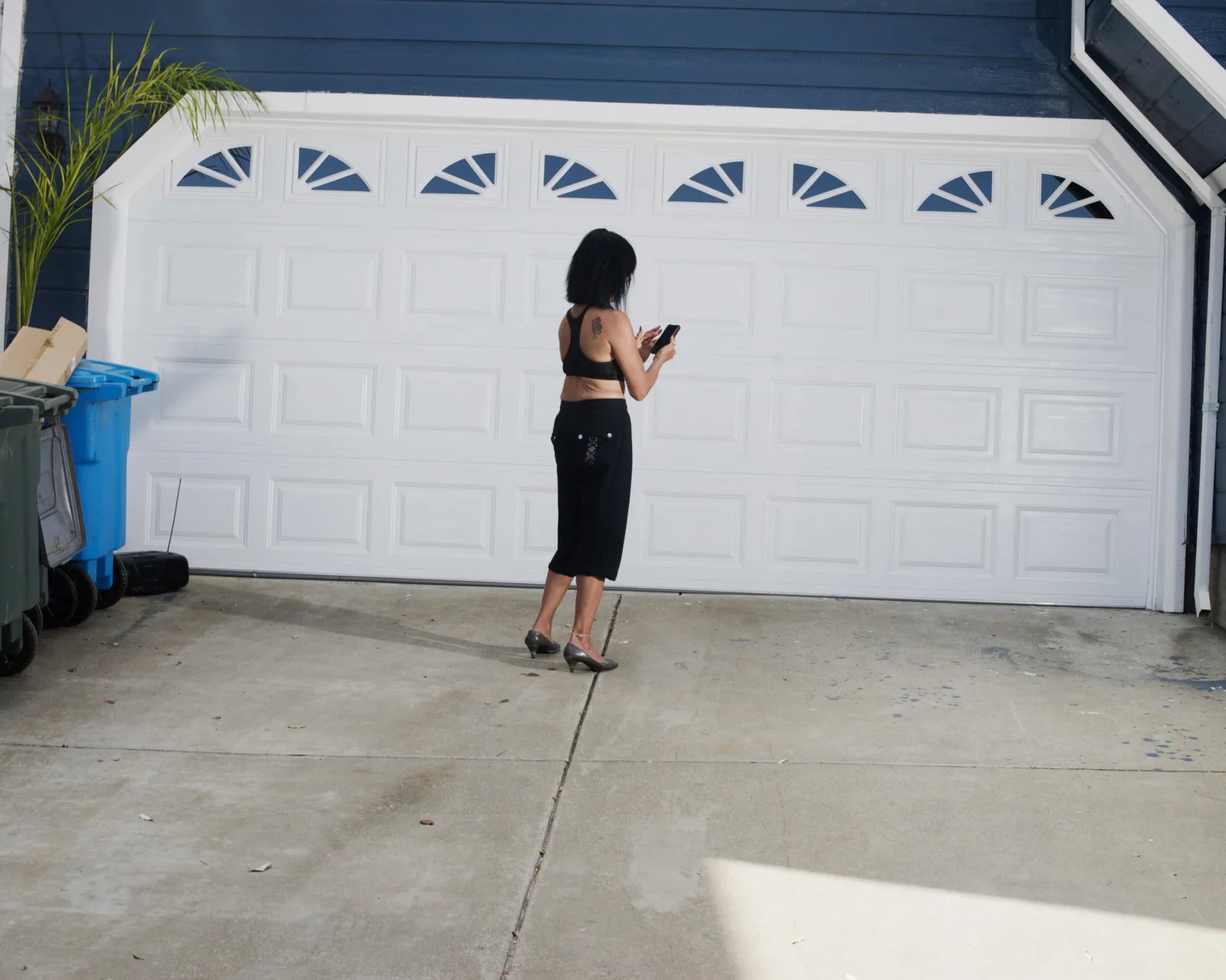
At Palazzo da Mosto, Ghostland casts the screen as the true environment of the present, a charged cultural space through which fear, memory, identity, and catastrophe are continuously filtered. As part of Fotografia Europea 2026’s wider theme, Ghosts of the Moment, the group exhibition brings together a range of artists to explore a mediated world shaped by surveillance, artificial intelligence, drone warfare, climate disaster, and the exhausting overproduction of images. What gives the show its force is the way these works refuse the comfort of distance: faces become interfaces, war arrives already mediated and disaster seems to reach us through the cold grammar of spectacle. To name a few examples, Sara Bezovšek turns online image culture into a saturated, navigable fiction; Carolyn Drake redirects surveillance toward domestic intimacy; and Visvaldas Morkevičius, Mykola Ridnyi and Indrė Šerpytytė probe the abstractions, blind spots and rituals through which contemporary warfare is seen and mis-seen.
Catherine Opie, The Pause That Dreams Against Erasure – Fridericianum, Kassel
14 February – 19 July
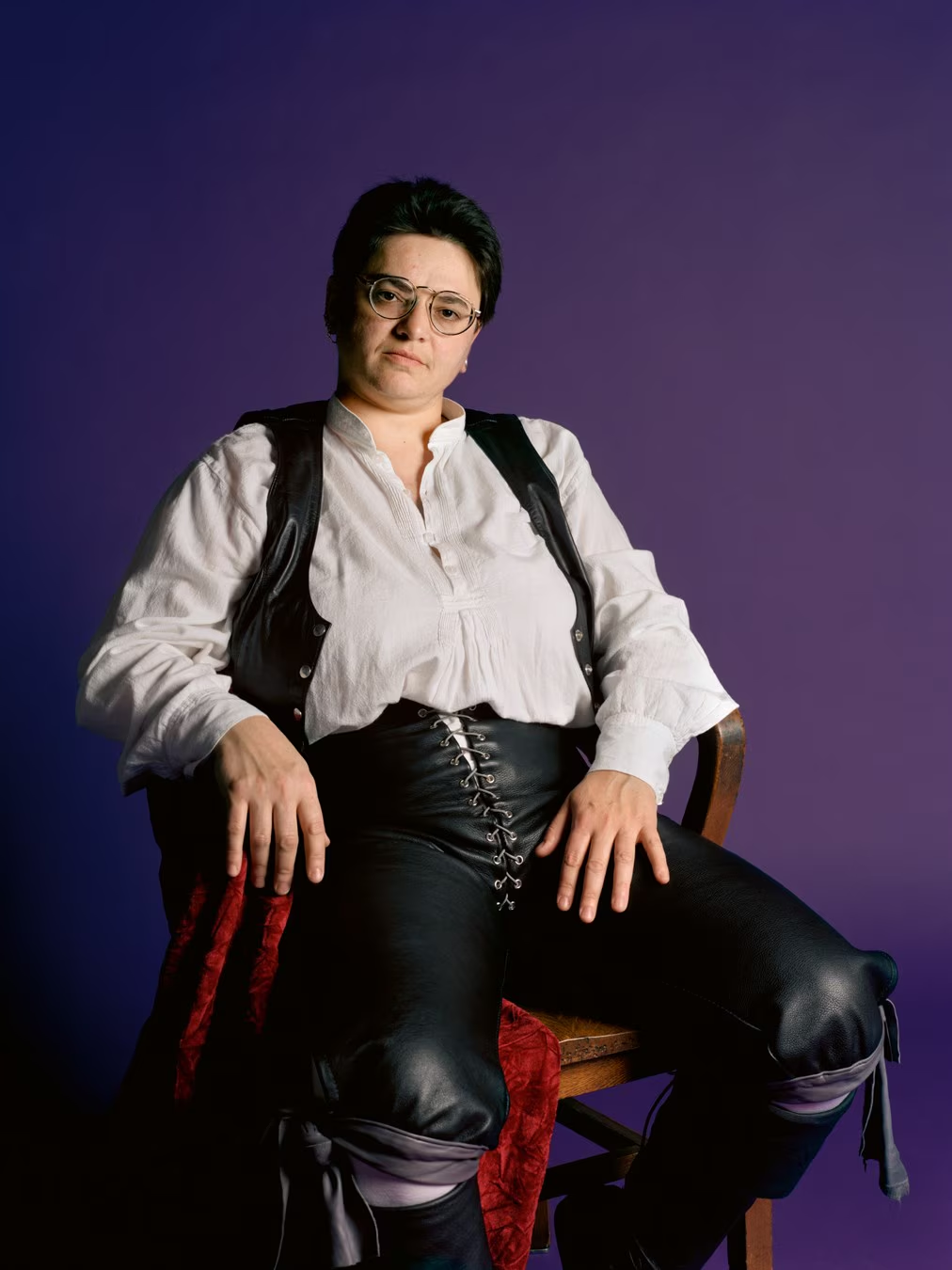
Catherine Opie’s exhibition at the Fridericianum, her first institutional solo presentation in Germany, gathers the breadth of a practice that has spent more than three decades asking how lives are shaped, constrained and made visible by the social worlds they inhabit. Conceived as a site-specific installation in dialogue with the Fridericianum’s architecture and history, the exhibition appears to move across the artist’s early portraits of queer community, self-portraiture and civic struggle, through landscapes, protest images and the monument/monumental works, and onward to more recent bodies of work such as the Norway Mountain photographs. Opie’s images never surrender their formal exactness, yet they remain tethered to questions of kinship, public life, exclusion, and the fragile possibility of living otherwise. That long commitment reads with particular force, as though the exhibition were less a retrospective than a sustained argument for photography’s capacity to hold intimacy, history and collective life in the same frame.♦
-1000 Words
Images:
1-Salvatore Vitale, untitled, 2024; from the series Death by GPS, 2022-26
2-Takashi Homma, Thirty-Six views of Mount Fuji, 2023/2024
3-Annie Hsiao-Ching Wang, My Son and I at the Same Height, (2002-ongoing)
4-Rodney Graham, Oak, Middle Aston, 1990. Courtesy Lisson Gallery. © Rodney Graham
5-Amak Mahmoodian, One Hundred and Twenty Minutes
6-Jo Ractliffe, Vacant plot near Atlantico Sul, 2007; from the series Terreno Ocupado
7-Lewis Bush, Depravity’s Rainbow (2018-23)
8-Roshini Kempadoo, Who do they want me to be today?, from the series Identity in Production (1990).
9-Carolyn Drake, Rose, from the Philippines, in her driveway during a tag sale. Courtesy Magnum Photos © Carolyn Drake.
10-Catherine Opie, Raelyn Gallina, 1994
1000 Words favourites
• Renée Mussai on exhibitions as sites of dialogue, critique and activism
• Roxana Marcoci navigates curatorial practice in the digital age
• Tanvi Mishra reviews Felipe Romero Beltrán’s Dialect
• Discover London’s top five photography galleries
• Tim Clark in conversation with Hayward Gallery’s Ralph Rugoff on Hiroshi Sugimoto
• Academic rigour and essayistic freedom as told by Taous Dahmani
• Shana Lopes reviews Agnieszka Sosnowska’s För
• Valentina Abenavoli discusses photobooks and community
• Michael Grieve considers Ute Mahler and Werner Mahler’s posthumous collaboration with their late family member
• Elisa Medde on Taysir Batniji’s images of glitched video calls from Gaza
Join us on Patreon today and be part of shaping the future of photographic discourse


