
What We’re Reading #6: Winter 2026
Our first What We’re Reading of 2026 brings together a fresh set of texts that engage debates on arts funding, interrogate the shortcomings of recent exhibitions and offer considered reflections on the expansive, and at times disorienting, terrain of contemporary photography. An NPR interview with Sally Mann revisits the scrutiny she has faced following the seizure of her prints, and its wider implications for artists today. Writing for Hyperallergic, Adam Broomberg addresses the irony of a fascism exhibition in Germany, while Gem Fletcher marks over 100 episodes of The Messy Truth podcast by partnering with the International Centre of Photography to host a one-day salon in New York.
Thomas King | Resource | 15 January 2026
Join us on Patreon
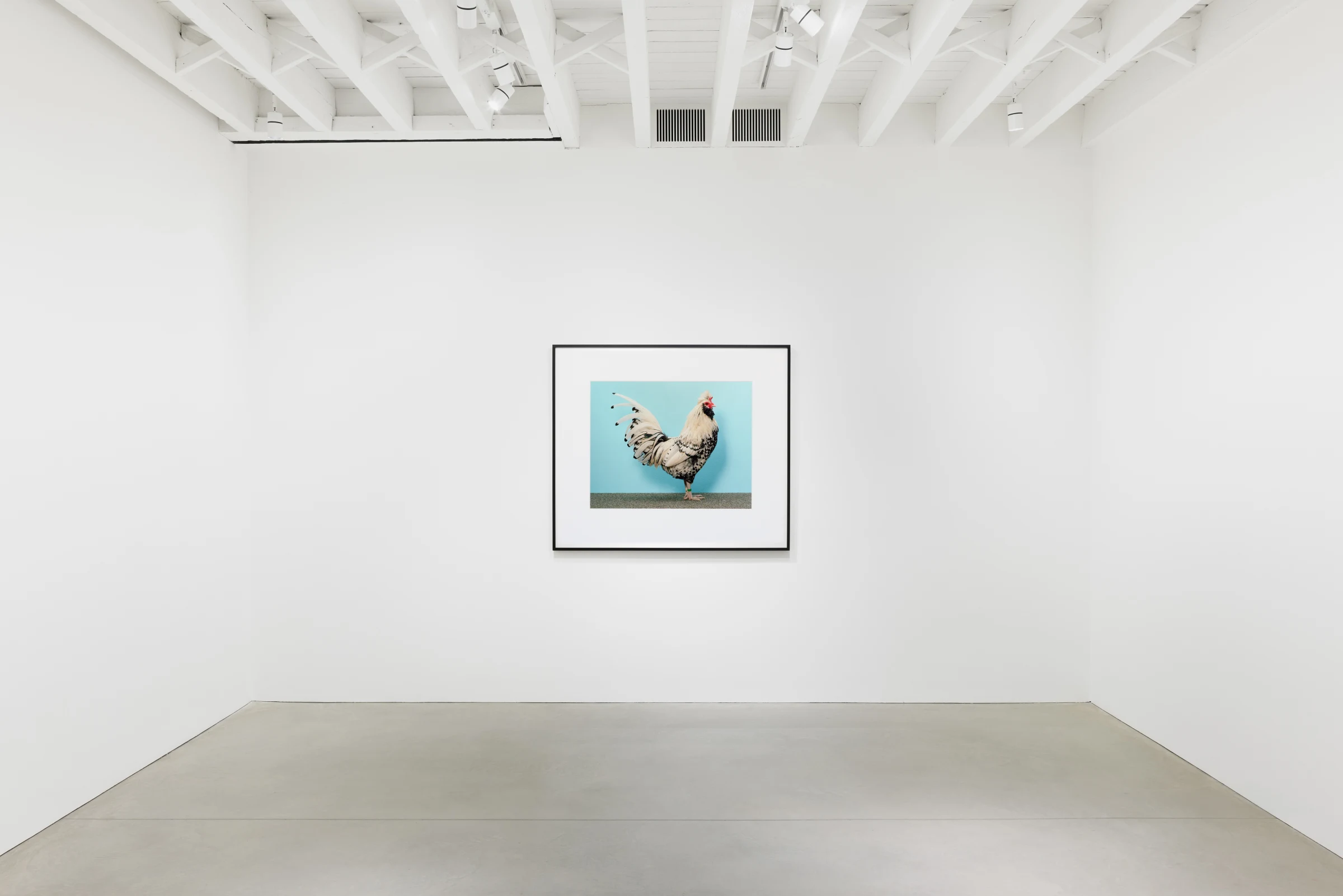
The captivating, revelatory world of Christopher Williams | Jeremy Millar for FT Weekend Magazine
Jeremy Millar, on Christopher Williams’ recent exhibition at The Perimeter, writes that the LA born artist is ‘is keen to remind us that although photography is often said to present the world just as it is, it is entirely dependent upon meticulous staging and forms of technology that are largely hidden from view.’ It’s an insight that steadies his account of an artist who may be less familiar to much of the gallery-going public, yet one who carries a distinctly idiosyncratic allure. It is true that Williams’ photographs attempt to reveal the mechanisms of image-making by foregrounding studio tools, technical devices and traces of the exhibition environment. This certainly might explain his elaborate still-lifes, darkroom compositions and high-detail photographs of show poultry inspired by magazine culture. And though he may occupy the niche of an ‘artist’s artist,’ as Millar suggests, concerned with how ‘the surface of the world intersects with the world of photography’, Williams’ presence feels subtly, and perhaps unknowingly, woven into the visual world around us, and this exhibition affirms his discerning eye in the world of photography.
The Messy Truth – Conversations on Photography: Between Two Worlds
Now with more than 100 episodes to its name, The Messy Truth has more than delivered on Gem Fletcher’s aim of sparking candid conversations with artists, editors, curators, and thinkers. To mark the milestone, she partnered with the ICP in New York to host a one-day salon. In Gem Fletcher’s own words, ‘My motivation was to gather the community together in person and start talking about where we stand in photography. Titled, Between Two Worlds, the salon was an attempt to describe the feeling of existing in two image worlds, the one we think we know, and the new one emerging.’ With four sessions spread across the day, conversations began by asking what contemporary art looks like today, then moved on to the evolving role of portraiture. From there, the programme turned to what we want from documentary photography, before wrapping up with a forward-looking discussion on storytelling and photography’s place in today’s fast-moving media landscape. For anyone interested in the photography’s ever changing nature, The Messy Truth is a must-listen.
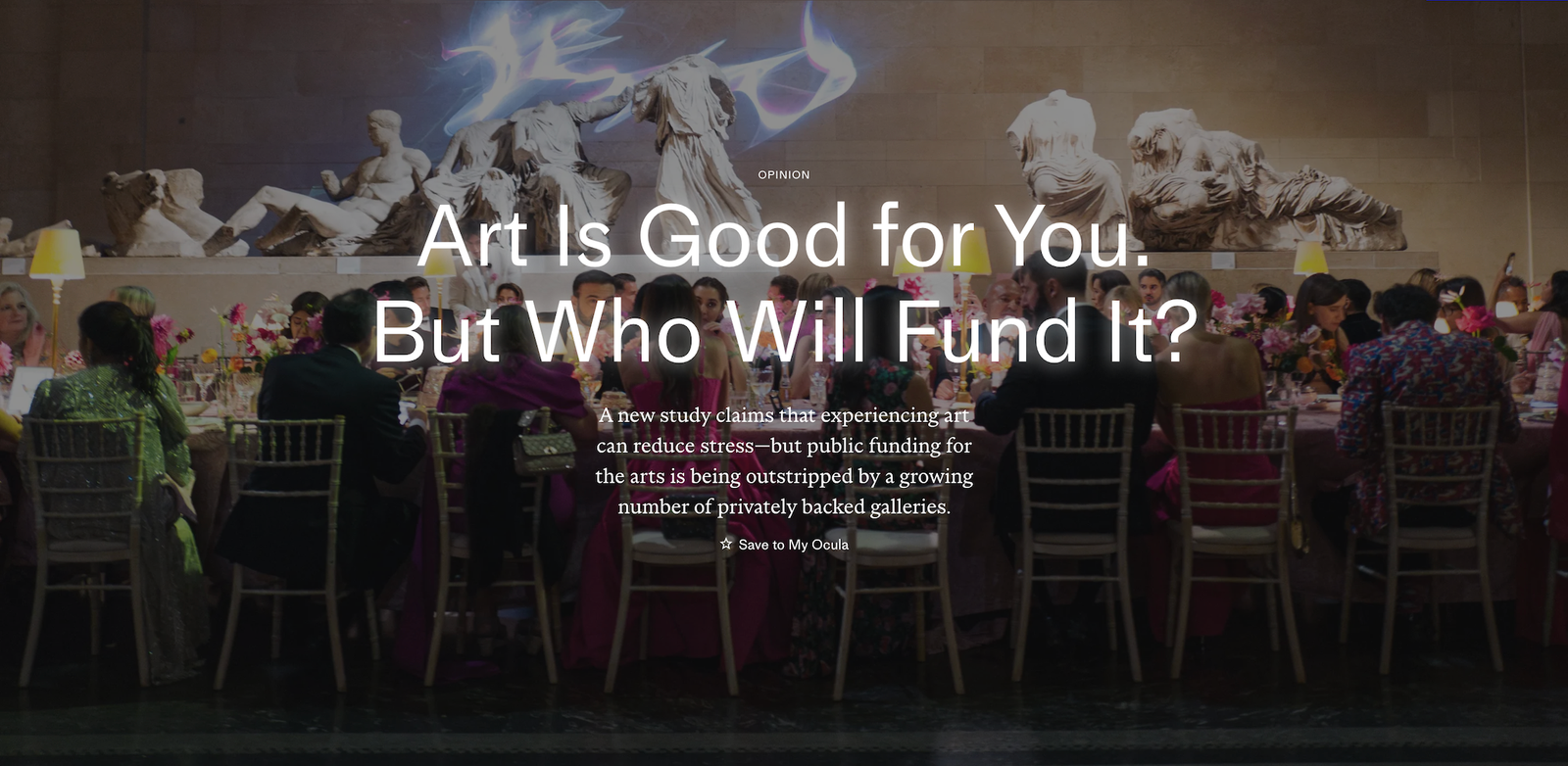
Art Is Good for You. But Who Will Fund It? | Eddy Frankel for Ocula
Part critique of contemporary science reporting, part memoir and part socio-political commentary on art funding, Eddy Frankel suggests that art itself, despite a recent study, isn’t magically curative, context matters. Setting his response to a King’s College survey against the current crisis of arts funding, he points to how private philanthropists and foundations now prop up a huge portion of the arts to fill gaps left by declining state funding — a reliance that brings with it controversial donors, political ties and branding-heavy philanthropy — before suggesting that state funding, while bureaucratic, remains socially important, protecting the public good in ways private donors typically do not: ‘Wouldn’t we rather fix a shitty system than rely on a shittier one to replace it?’
I’m not convinced that art has to rely on funding from either private or state sources, the best art usually has neither, nor that I ‘engage’ with an artwork because it’s supposed to be ‘good’ for me. Why should art be valued only insofar as it circulates within the economy of wealth and wellness, if at all, and studies that seem intent on turning art into a resource for productivity and health optimisation reveal an impulse to fold art into yet another system of measurable outcomes.
The Irony of a Fascism Exhibition in Germany | Adam Broomberg for Hyperallergic
The title says it all. Adam Broomberg, who continues to probe the intersections of art and activism and routinely pushing back against institutional complacency, shows how Berlin’s Haus der Kulturen der Welt (HKW) has become a model of capitulation to state control, particularly in relation to Germany’s unquestioned support for Israel. Once built on the site of Magnus Hirschfeld’s Institute for Sexual Science (a centre for LGBTQ+ rights destroyed by the Nazis) HKW now presents itself as a venue for postcolonial and global discourse, but Ndikung’s appointment as director came with the condition that he publicly renounce the BDS (Boycott, Divestment, Sanctions) movement.
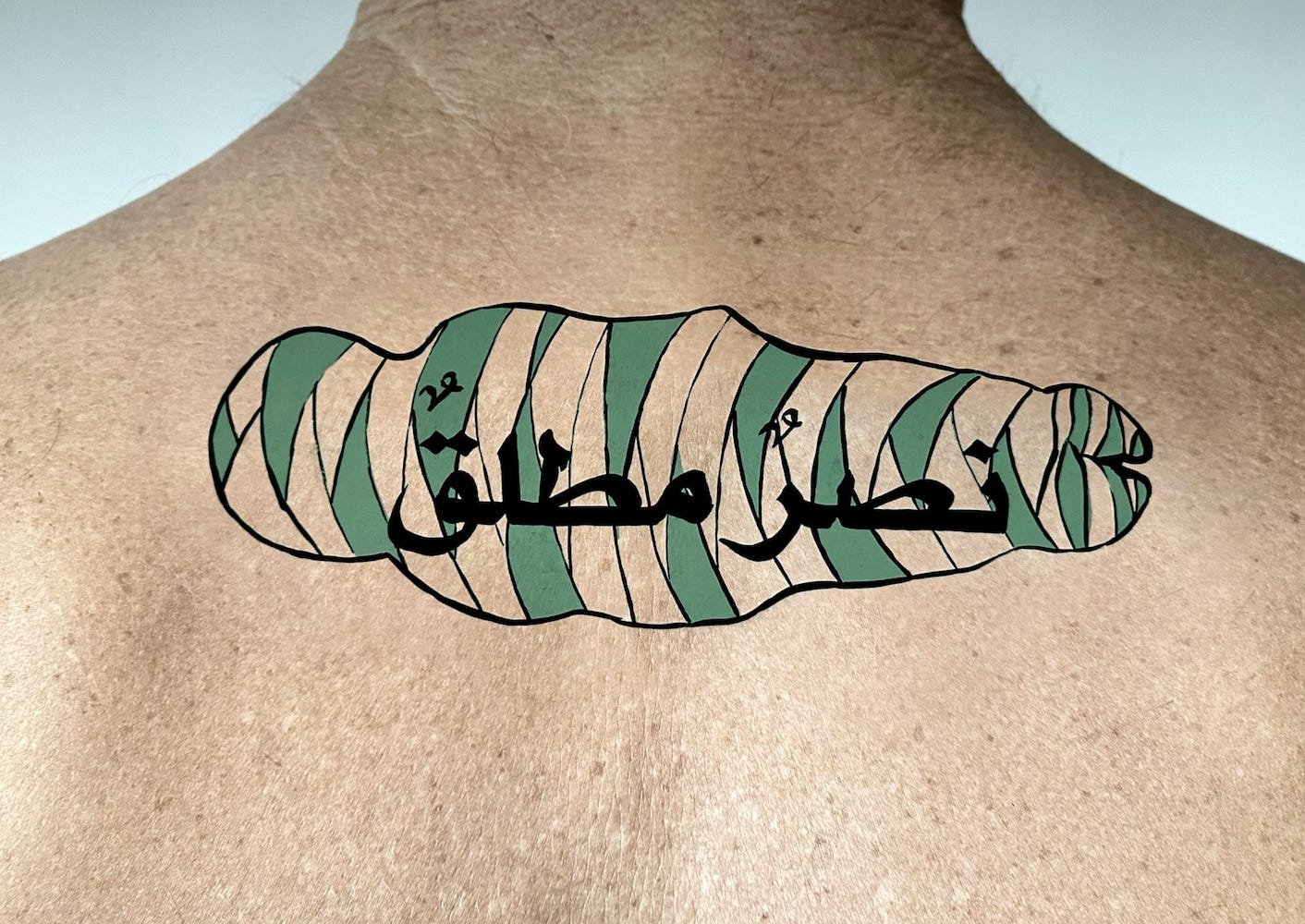
Broomberg points out that in the exhibition, Global Fascisms, Palestinian artists such as Sliman Mansour are limited to older or restrained works like Camel of Hardship (1974), described as a ‘possible allegory of the burden of Palestinian existence under occupation,’ whereas Israeli artists, including Roee Rosen, are allowed to address current conflicts. Rosen’s works, such as Gaza War Tattoos (2024–25), are presented in aestheticised, abstracted ways that ‘distil the easy arrogance, decadence, and moral numbness that a fascist society cultivates.’
‘Fascist violence made tasteful for modernist walls’, writes Broomberg.
Photographer Sally Mann warns of ‘new era of culture wars’ after art seizure | Olivia Hampton for NPR
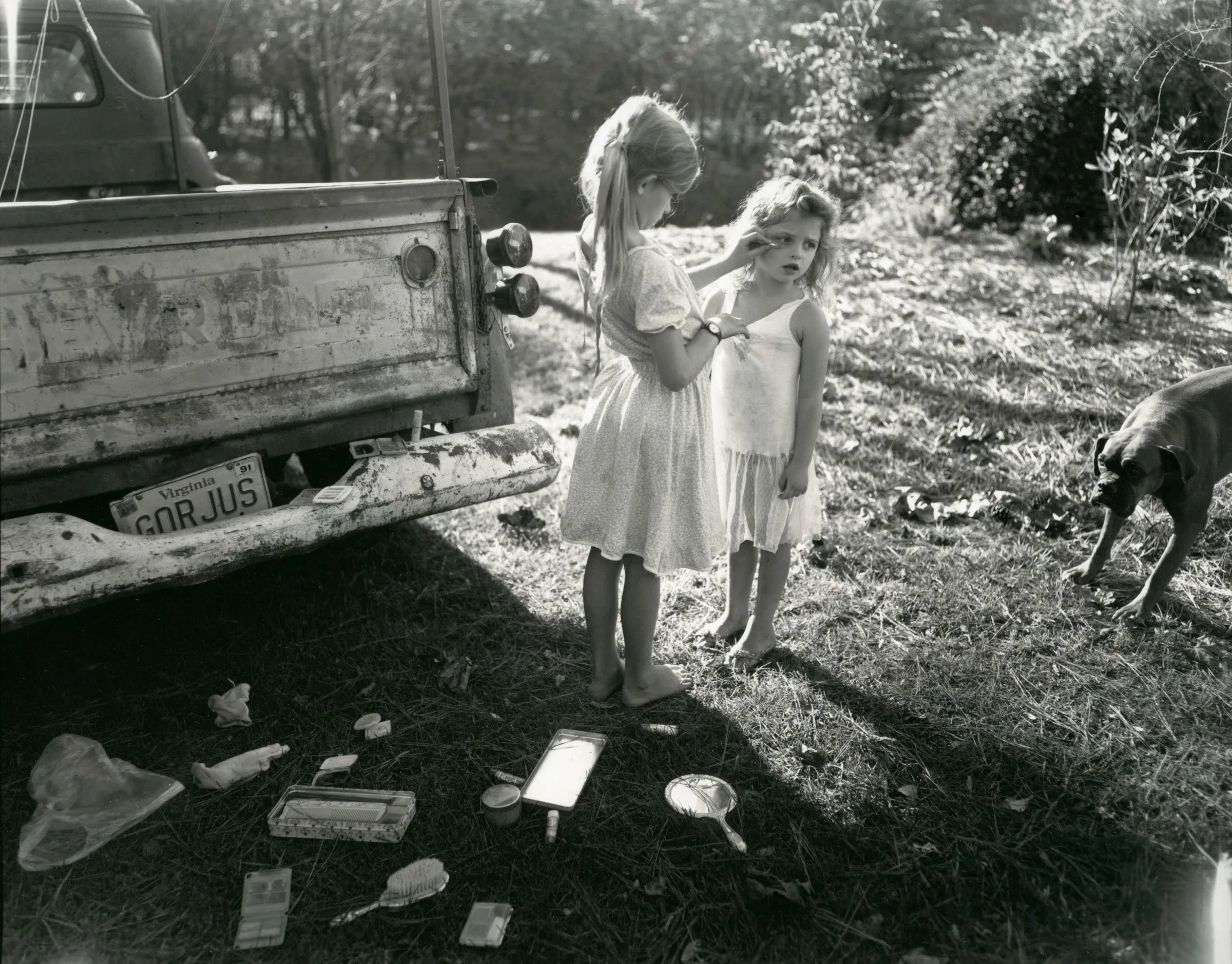
On the occasion of the publication of Sally Mann’s second memoir, coming nearly a year after her photographs were seized from the Modern Art Museum of Fort Worth in the US, Olivia Hampton visits the photographer in her Blue Ridge foothills home to explore what it means for art to come under siege in our time and to reflect on her long career in photography. Drawing historical parallels, Hampton recalls the period from 1873 to 1915, when police invoked anti-obscenity statutes to confiscate artworks from galleries and public spaces, as well as the trial over the late Robert Mapplethorpe’s allegedly explicit sadomasochistic photographs (a recurring pattern of oral panic as opposed to justified act). In the face of similar scrutiny, Mann explains how she continues to experiment with both traditional and digital photography, offering candid reflections on her position as a photographer and the choices she might make if given the chance. Definitely a worthy read before picking up Art Work, which has been described as reaffirming Mann as ‘a unique and resonant voice for our times’ and one ‘destined to become a classic.’♦
—
Thomas King is Editorial Assistant at 1000 Words and currently undertaking an MA in Literary Studies (Critical Theory) at Goldsmiths, University of London.
Images:
1-Installation view of Christopher Williams: Hand Painted Signs. The Perimeter, London, 2025. Courtesy the artist
2-Gem Fletcher, The Messy Truth – Conversations on Photography
3-Ocula, Art Is Good for You. But Who Will Fund It?
4-Roee Rosen, Absolute Victory; from the series Gaza War Tattoos (2024–25)
5-Sally Mann, Gorjus, 1989
1000 Words favourites
• Renée Mussai on exhibitions as sites of dialogue, critique and activism
• Roxana Marcoci navigates curatorial practice in the digital age
• Tanvi Mishra reviews Felipe Romero Beltrán’s Dialect
• Discover London’s top five photography galleries
• Tim Clark in conversation with Hayward Gallery’s Ralph Rugoff on Hiroshi Sugimoto
• Academic rigour and essayistic freedom as told by Taous Dahmani
• Shana Lopes reviews Agnieszka Sosnowska’s För
• Valentina Abenavoli discusses photobooks and community
• Michael Grieve considers Ute Mahler and Werner Mahler’s posthumous collaboration with their late family member
• Elisa Medde on Taysir Batniji’s images of glitched video calls from Gaza
Join us on Patreon today and be part of shaping the future of photographic discourse


