1000 Words x Photo Elysée
1000 Words is delighted to announce a new partnership with Photo Elysée, reaffirming our shared commitment to supporting young and exciting voices in contemporary photography.
20 years after its landmark exhibition reGeneration: 50 Photographers of Tomorrow, which opened up the institution to a new generation of image-makers, Photo Elysée recently returned its focus to youth with Gen Z: Shaping a New Gaze. This exhibition brought together the work of 66 international artists, primarily from Generation Z – broadly defined as those born between the mid-1990s and 2010 – whose practices reflect the social, political and personal realities shaping the present moment.
Employing a wide range of visual languages, these artists address questions of belonging, from shifting ideas of home and family to the politics of the body, gender and identity. Their work foregrounds intersectional experience, examining how race, class, sexuality, and gender converge to inform how lives are lived and represented.
As part of this collaboration, 1000 Words has launched a new weekly column dedicated to emerging voices in photography, featuring the work and accompanying texts of all 66 artists. Published on our online platforms, and encompassing all four sections of the exhibition – Mapping Belonging, Shifting Realities, Beyond the Mirror, and Multiplying the Gaze – the column makes the exhibition freely accessible, extending it beyond the museum walls and opening up these perspectives to a global audience.
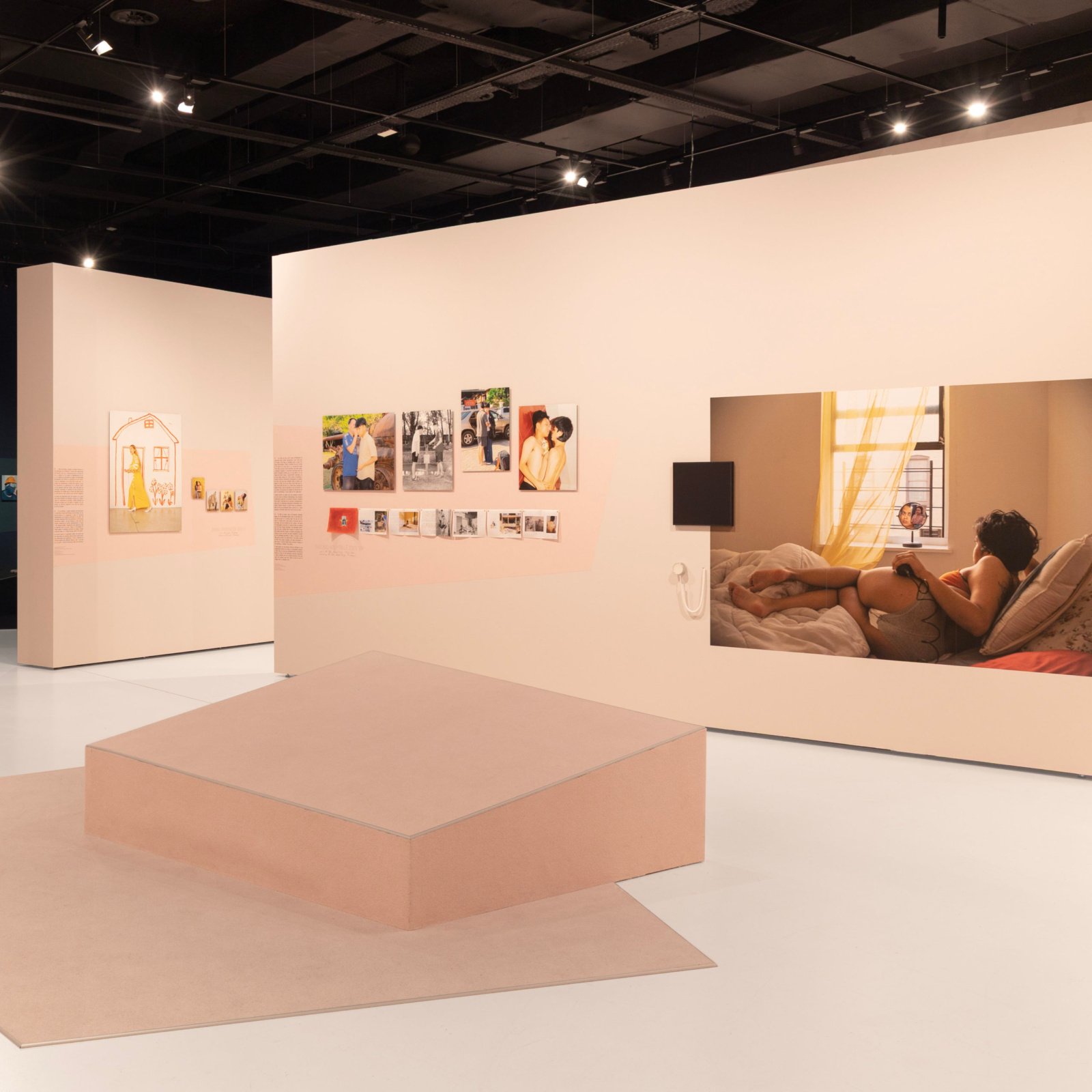
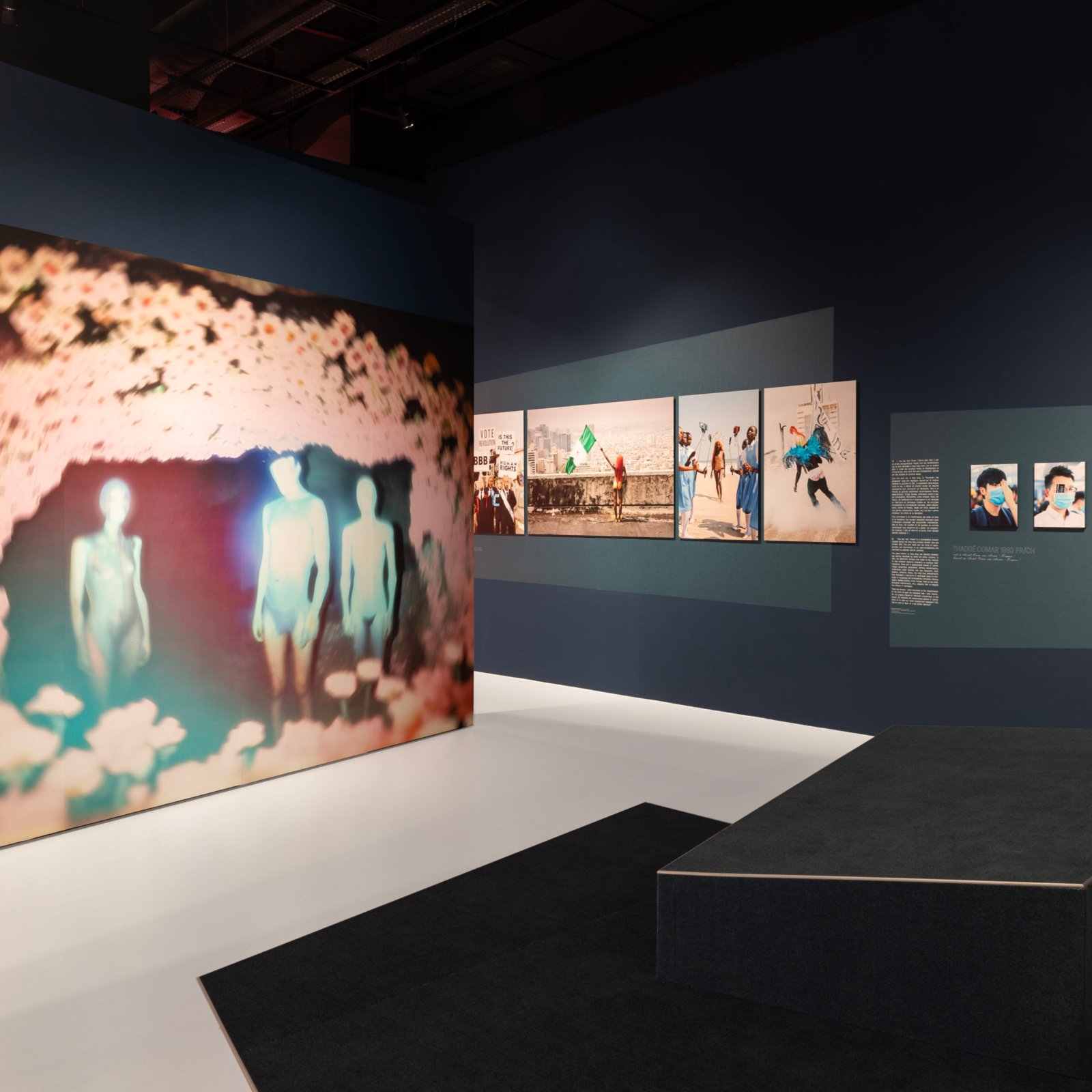
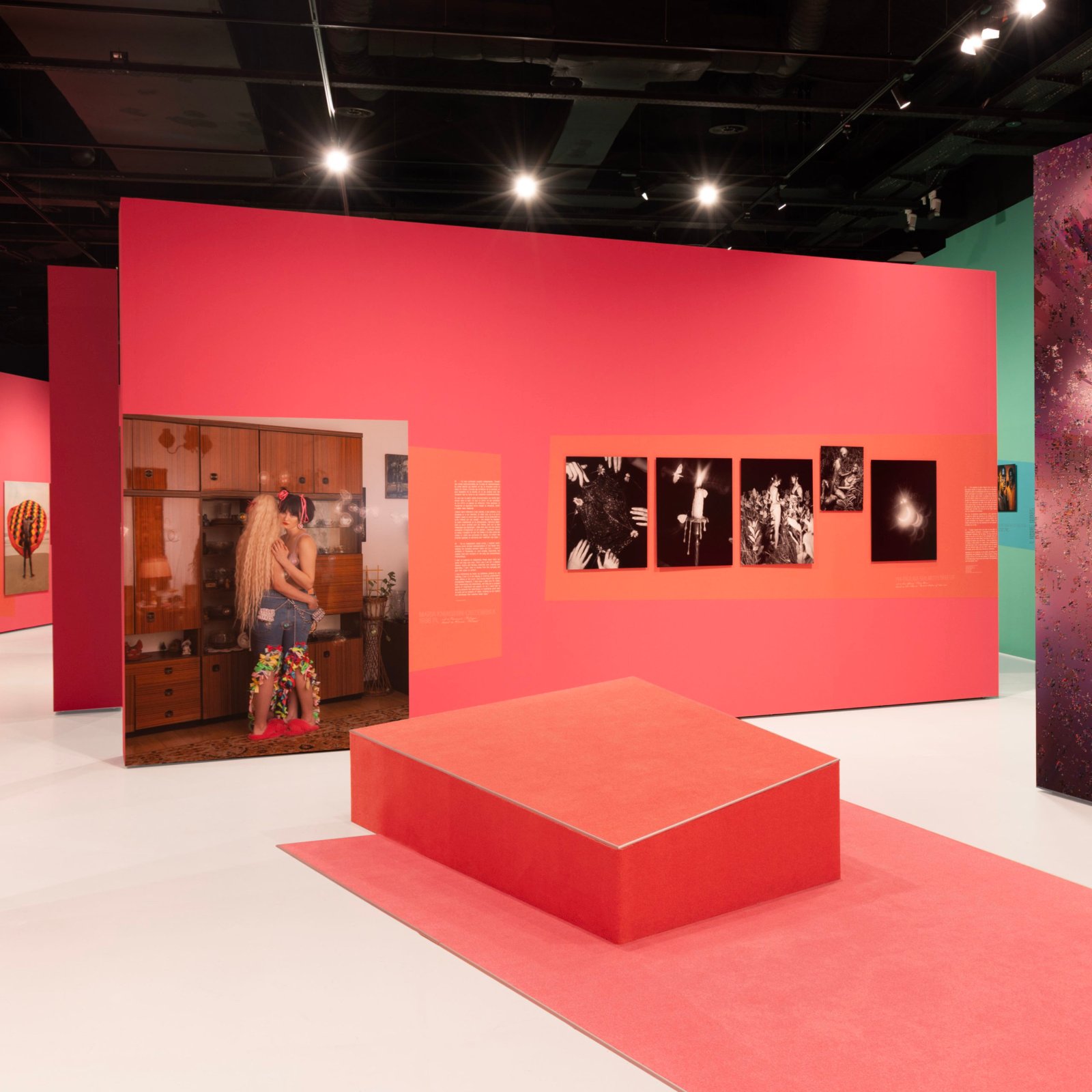
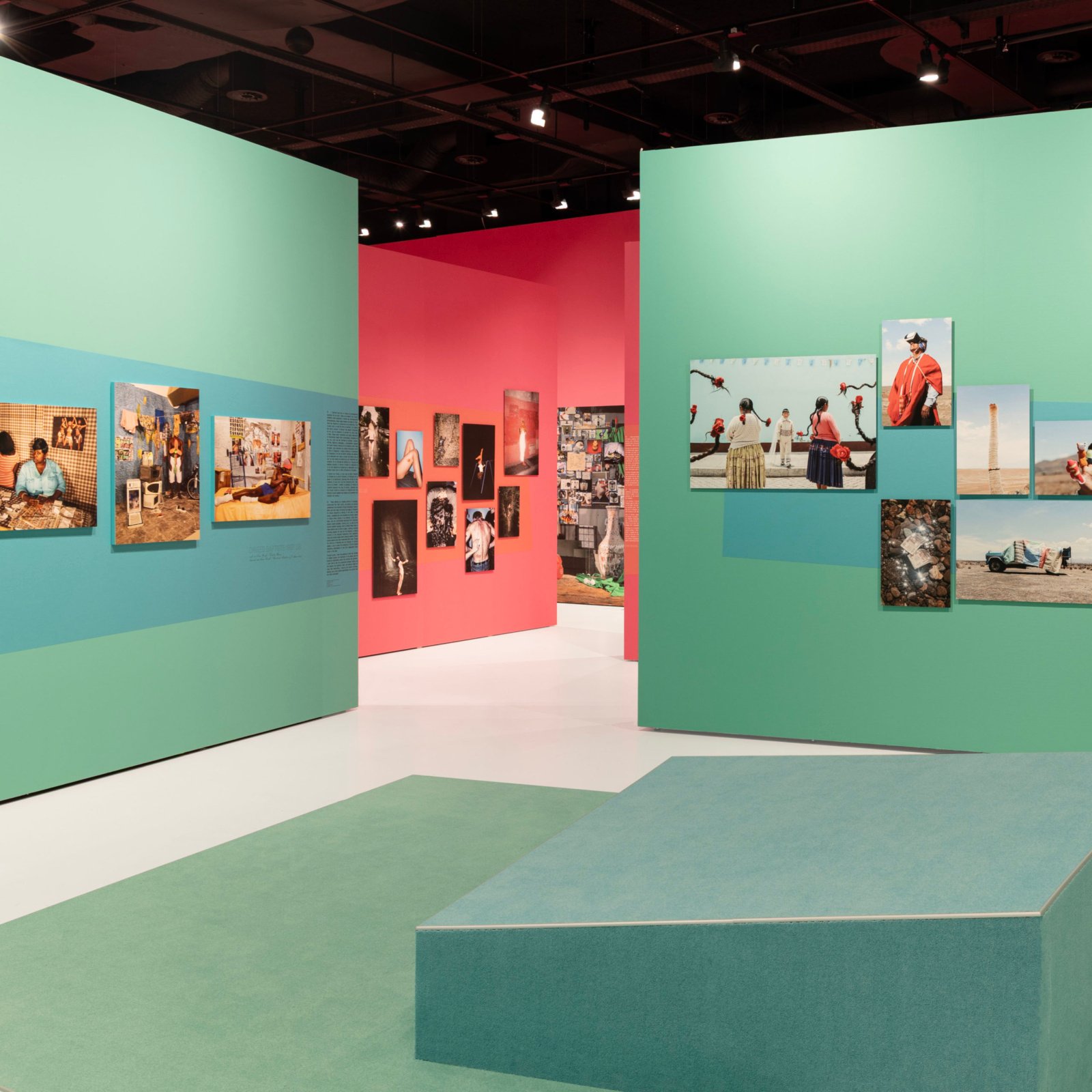
Images: Installation views, Gen Z: Shaping a New Gaze, Photo Elysée, 2025 © Khashayar Javanmardi / Photo Elysée / Plateforme 10
Introduction
Sara Messinger
Noah Noyan Wenzinger
Mapping Belonging
For many, a sense of belonging begins at home. Whether understood as family, a physical dwelling, or a chosen community, our notion of home is shaped by our experiences and the people with whom we build it. These foundations often carry pride and comfort but can also hold pain. The very spaces and structures meant to ground us can at times fracture and fall apart, becoming sites of vulnerability, anguish, and exclusion. As these relationships shift or erode over time, so too can our understanding of what home means.
The works in this section give form to these evolving notions of home and belonging. Through archives, childhood memories, intergenerational trauma and new models of living together, these artists explore how personal and collective identities are constructed, challenged, and reimagined. Together, they invite us to reflect on what it means to belong.
Sara De Brito Faustino
Thembinkosi Hlatshwayo
Lorane Hochstätter
Francesca Hummler
Lisa Karnadi
Nur Aishah Kenton
Phương Nguyên Lê
Vuyo Mabheka
Cheryl Mukherji
Emma Sarpaniemi
Suwa Shin
Agate Tūna
Varvara Uhlik
Tianyu Wang
Andong Zheng
Shifting Realities
For centuries, war, forced migration and political unrest have shaped – and often shattered – how people experience belonging and their sense of home. Today, the collapse of our climate adds a new and urgent layer to this long history of displacement. These forces blur the boundaries between safety and threat, home and exile. As states falter and ecosystems break down, home becomes unstable – a place to flee from, to defend, or to mourn.
This section brings together works that explore instability, displacement, and resilience. They consider how both humans and the natural environment must adapt to a world that is constantly changing. What future can we imagine when everything is shifting – and what does it take to hold your ground?
Thaddé Comar
Claudia Fuggetti
Florian Gatzweiler & Sascha Levin
Valerie Geissbühler Pacheco
Toma Gerzha
Lea Greub
Ahmed Khirelsid
Daniel Obasi
Beyond the Mirror
Long regarded as central to identity and a key part of how we experience belonging, the body serves as both a powerful medium and subject of self-expression. Artists in this section explore the body as a site where identity is formed, performed, and ever evolving. Their images challenge dominant narratives of rigid gender stereotypes and binaries, offering new ways of seeing the body and honoring its capacity to shift, feel and express. They show that through the body, identity can be both multilayered and fluid.
Here, the body is considered in its most holistic sense, encompassing the mind and the full spectrum of human emotions – the interior life of the self. We see how artists use photography to trace the contours of emotions and mental health.
Chloé Azzopardi
Hidhir Badaruddin
Clara Belleville