
10 Must-See Exhibitions: Winter 2026
Our quarterly guide to the global art calendar is back with must-see exhibitions for Winter 2026, taking in galleries and museums from Vienna to San Francisco.
1000 Words | Resource | 8 Jan 2026
Join us on Patreon
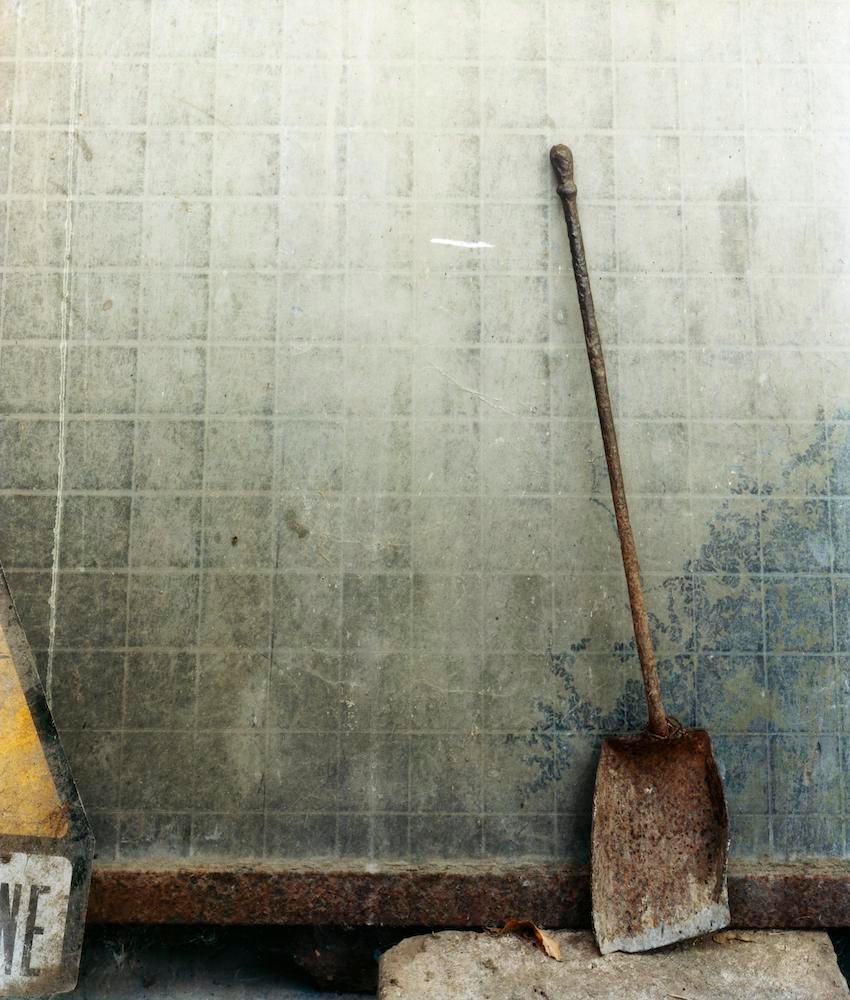
Guido Guidi, A Casa / Guest appearance John Gossage – Large Glass Gallery, London
28 November – 28 February
One of Italy’s finest and most legendary photographers, Guido Guidi marks his seventh exhibition at the innovative, silk-sleek Large Glass Gallery on Caledonian Road, this one turning toward his home in Ronta as its subject. Photographer and bookmaker John Gossage, a longtime companion in Guidi’s roaming practice, has shared countless journeys with him over the decades, and for A Casa created a delicate suite of six small books, each filled with photographs made during visits to Guidi’s place. Speaking with Bartolomeo Sala, Guidi reflected on how Dutch landscape painting – ‘neither dramatic nor concerned with great, heroic deeds’ – had set the tone for his school of photographers. Certainly, that understated sensibility comes to the fore in images where tools lie in the corners of the frames, the spaces are rustic and wooden, and the rooms seem to belong to the humble interiors painted by those Dutch masters.
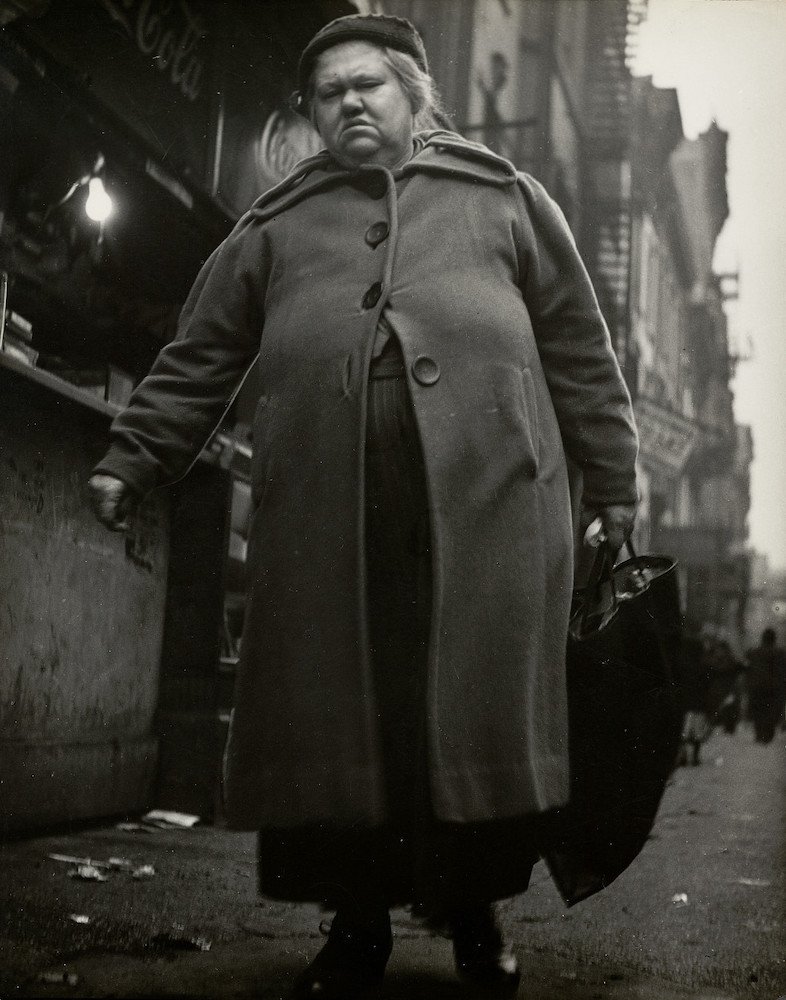
Lisette Model, Retrospective – The Albertina Museum, Vienna
30 October – 22 February
The Albertina Museum looks back to the photographs of Lisette Model (1901–1983) whose uncompromising vision reshaped 20th-century portraiture. Though born into a Viennese Jewish household, Model made her name far from Vienna yet remains unmistakably marked by the city. While her legacy is often framed in American terms, the exhibition’s lead curator, Walter Moser, suggests that a deeper story begins in the cultural voltage of her birthplace. She certainly grew up in a milieu alive with artistic agitation, where Expressionist painters once pushed the human figure toward distortion and emotional extremity. Perhaps, in her own way, Model used the camera to probe the same intensity. It was this instinct that caught the eye of Harper’s Bazaar and MoMA New York which recognised in her images a startling directness – a way of revealing character through gesture, posture, and the unexpected drama of ordinary life – and soon began publishing or exhibiting her works.
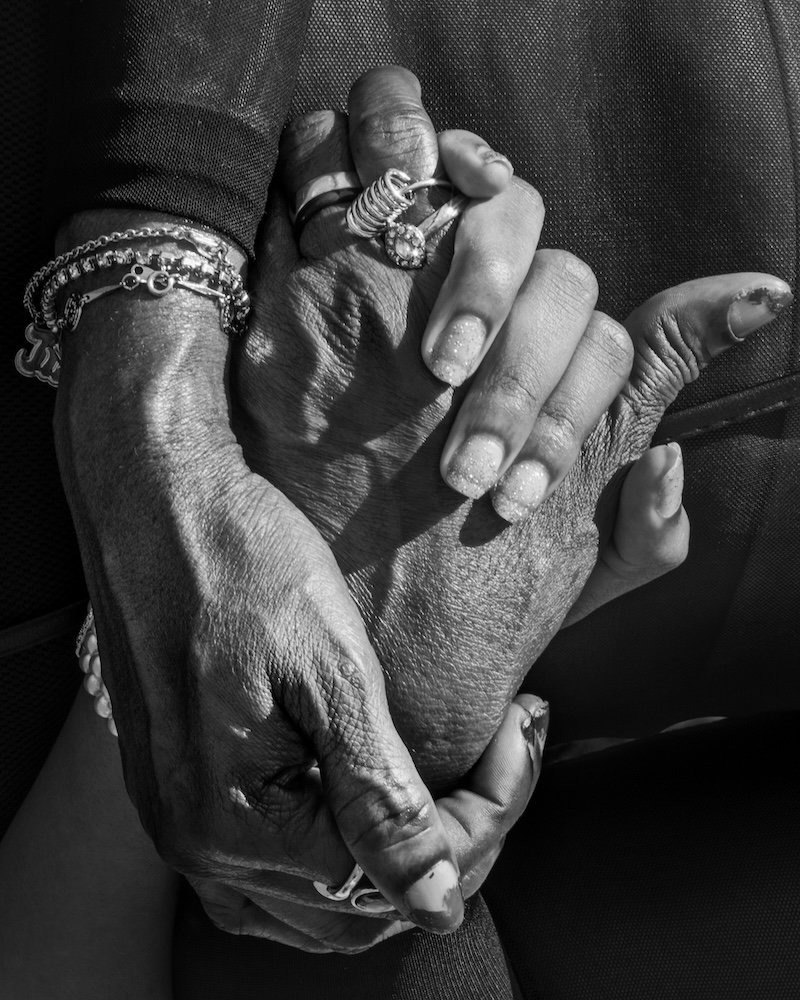
Philip Montgomery, American Cycles – Deichtorhallen, The House of Photography, Hamburg
28 November – 10 May
Spanning more than 100 works created between 2014 and the present, Phillip Montgomery’s photography offers a compelling portrait of a decade defined by ongoing political turbulence and the intensifying crises of our era. The House of Photography at Deichtorhallen Hamburg – one of Europe’s largest centres for contemporary art and photography, and set on the waterfront – hosts Montgomery’s first major institutional solo exhibition, bringing together an expansive vision of America from coast to coast. Alongside his celebrated projects for The New York Times Magazine and The New Yorker, it unveils, for the first time, previously unseen photographs and Montgomery’s most recent independent work. Far from fleeting snapshots, Montgomery’s images are carefully composed, often illuminated with dramatic contrast or flash. Their sense of ‘timeless urgency’ perhaps reaffirms that documentary photography, as Montgomery practices it, still matters deeply in an age of ubiquitous images.
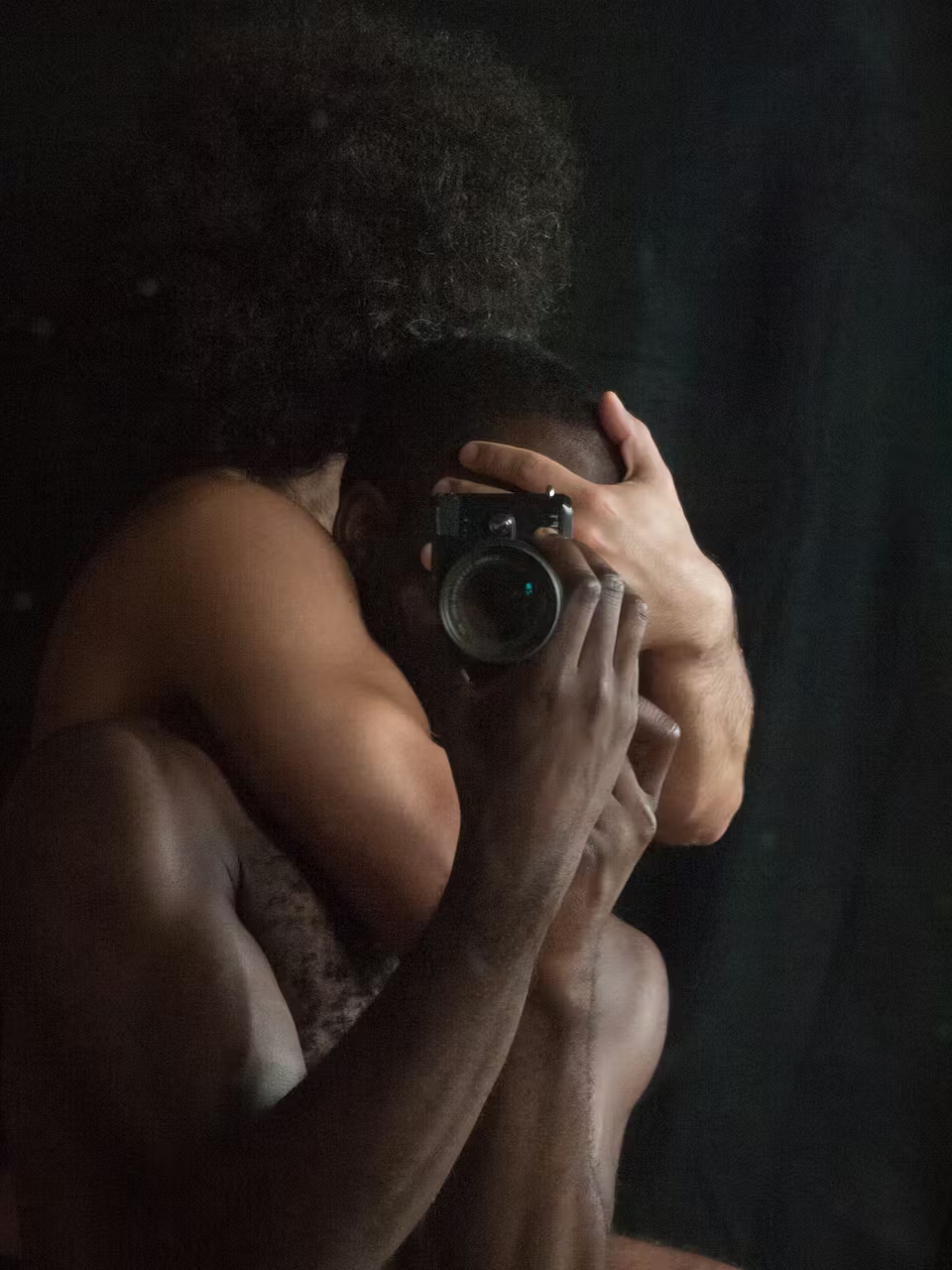
Paul Mpagi Sepuya, Focus. Desire. – Fotomuseum Winterthur, Switzerland
28 February – 14 June
In 2024, Taous Dahmani wrote for 1000 Words that ‘Sepuya skilfully navigates the frame, either concealing or unveiling fragments of his undressed body, and thus, his identity,’ drawing from a rich history of queer imagery – from the kouros figures of Ancient Greece to Rotimi Fani-Kayode’s Snap Shot (1987) and Caravaggio’s ephebes.. Promising to be a thoughtful and considered show, Sepuya’s latest exhibition brings together the artist’s now firmly established and impressive oeuvre with the curatorial vision of Fotomuseum Winterthur, marking his first major solo exhibition in Switzerland. Taking shape across three distinct spaces – Studio, Archive and Dark Room – each carries literal and metaphorical significance, staging a dialogue between early and recent works. The exhibition highlights the evolution of the US-American artist’s practice while continually questioning the acts of looking and the power structures they reinforce.
Lebohang Kganye, Le Sale ka Kgotso – Fotografiska, Berlin
12 September – 25 January
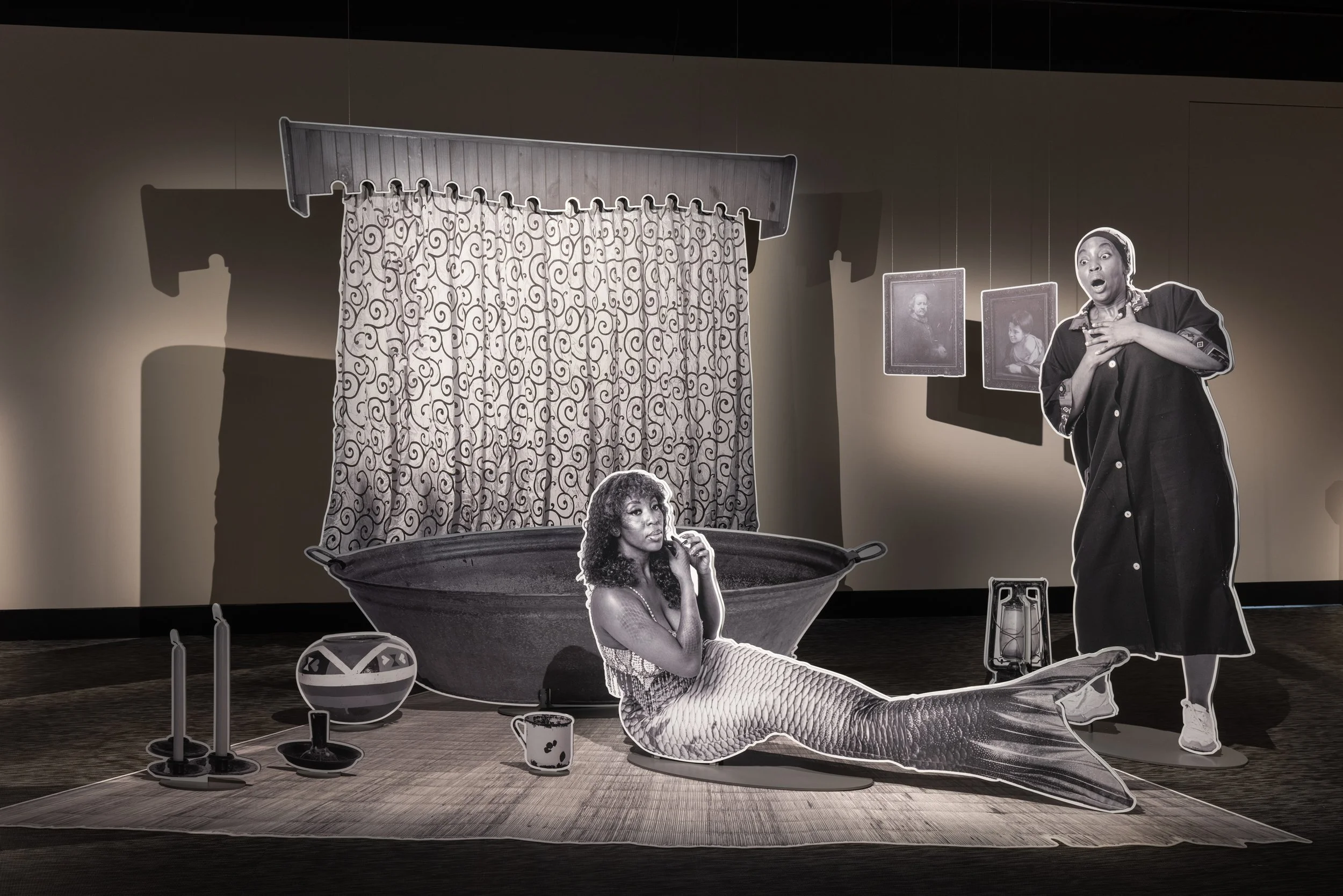
In Sesotho, ‘Le Sale ka Kgotso’ is the parting wish offered at the doorway, a gentle hope that peace will remain with the one who stays behind. But a slight shift of breath, ‘le sale le kgotso,’ calls forth an entirely different presence, that of the tokoloshe, the capricious and feared spirit of Xhosa and Zulu legend. In this slippage, language falters, revealing its own instability – an uncertainty that Lebohang Kganye draws into focus as she turns Fotografiska Berlin into something closer to a lived-in interior. The museum’s rooms soften into the contours of a home shaped by memory, where language, personal history and the lingering marks of architecture overlap and echo through one another. Working across photography, sculpture and installation, Kganye reshapes family stories and folklore into spaces meant not for resolution. Instead of offering the promise of reconstruction, her work reveals the breaks, absences and unresolved tensions that continue to haunt the idea of home.
Batia Suter and Zoe A. Keller, The Eranos Archives. Laboratory of the Anarchetype – Bibliothéque de Genève, Espace Ami-Lullin, Geneva
20 February – 9 May
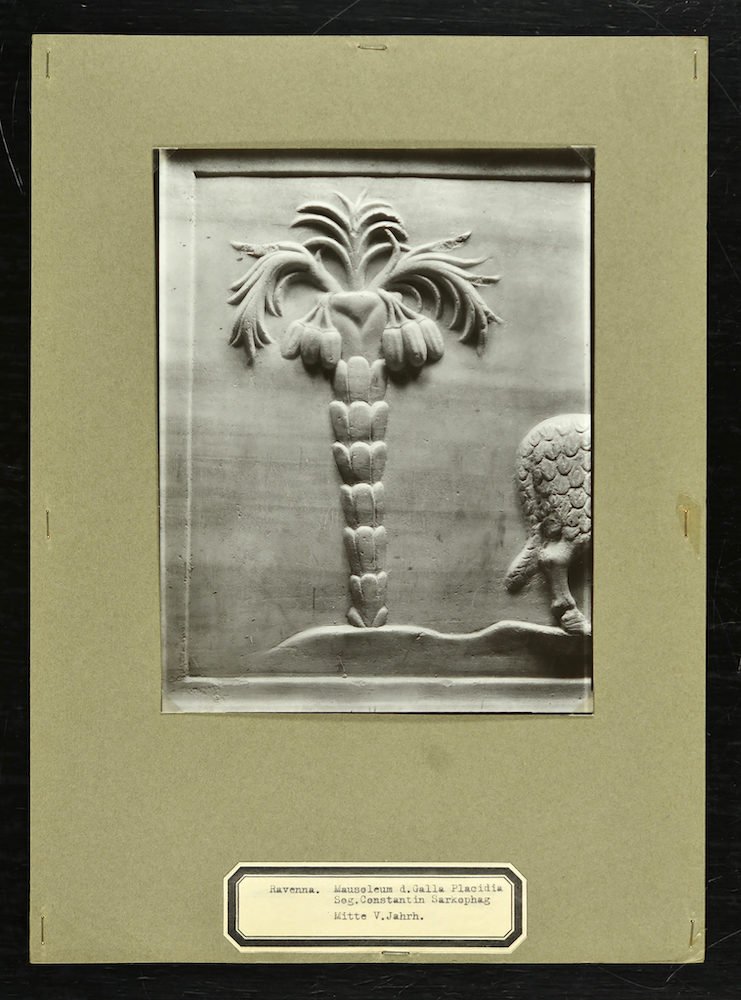
A new exhibition from the Centre de la photographie Genève presents approximately 3,000 archetypal images assembled by the Dutch scholar Olga Fröbe-Kapteyn, founder of the Eranos conferences, which later developed into a lasting intellectual forum. The collection, now housed at the Warburg Institute, was formed between the mid-1930s and early 1940s, when Fröbe-Kapteyn, initially at the request of Carl Jung, undertook extensive research travels through European and American libraries to gather symbolic material. Shown alongside photographs and various materials of industrially manufactured objects from the same period (from artist Batia Suter’s own collection), the figures of the Eranos Archive shed any claim to timeless universality and are read as contingent forms, their meanings refracted through the economic pressures, ideological currents and material conditions of a rapidly transforming interwar world. Long unseen by the public, the archive is now accessible and acquires new critical resonance.
Seriously. – Sprüth Magers, London
21 November – 31 January
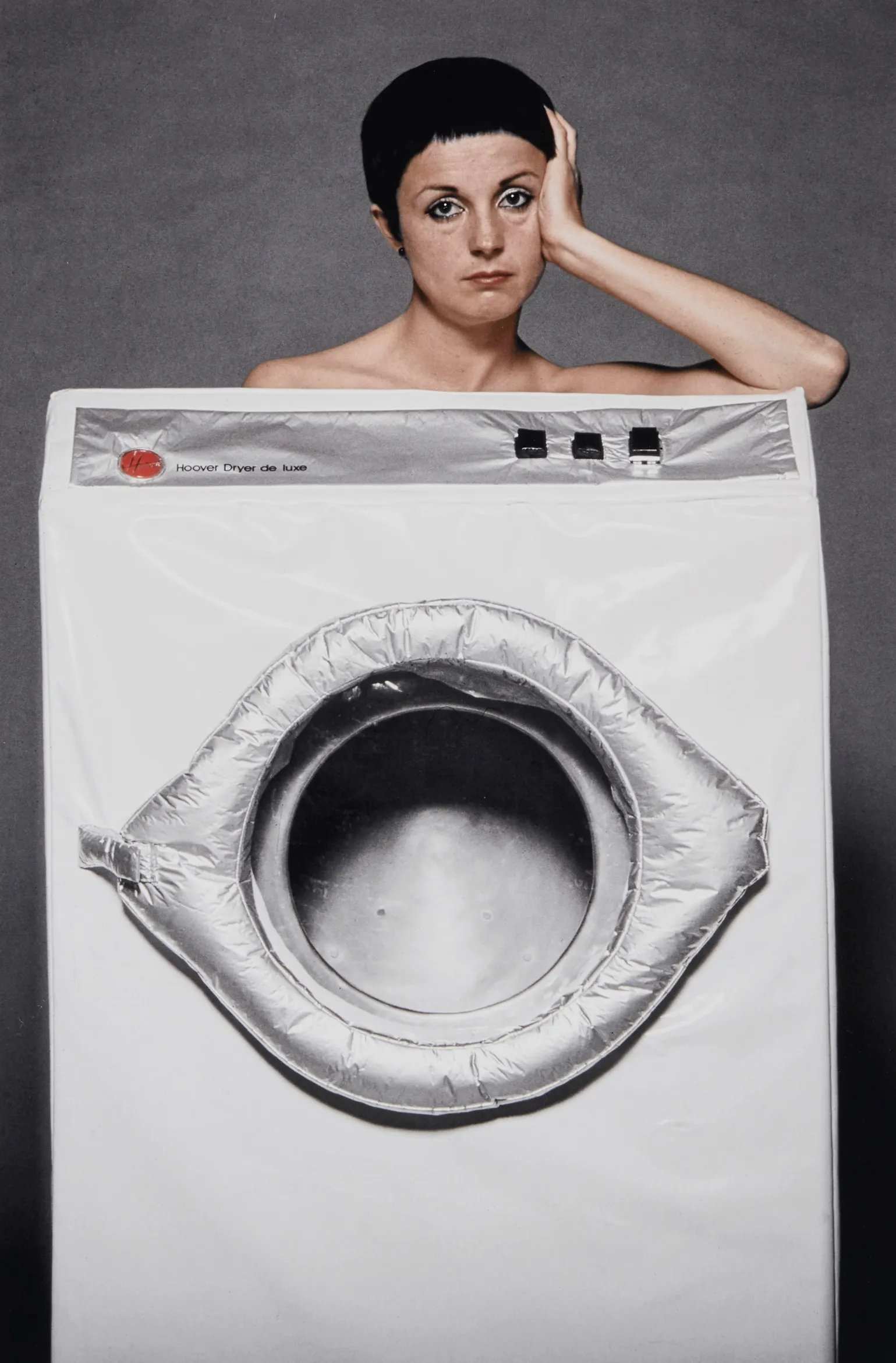
Humour finds its resonance in unexpected corners in Seriously., a group exhibition curated by Nana Bahlmann, featuring over 100 ‘conceptual’ photographs, prints and select films from the 1960s to the present. Revealing a shared willingness to flirt with absurdity, playfulness and critique, the exhibition frames the experimental possibilities of slapstick and wit – from masquerade and role-play to the staging of seemingly inexplicable scenarios – through the works of artists such as John Baldessari, Cindy Sherman, Thomas Demand, and others. Part of the exhibition meditates on the artist’s role and the fluidity of identity; the other explores the body in dialogue with objects and landscapes, where incisive satire and subtle mimicry reframe the ordinary and ask us to reconsider what we take for granted in images, representation and everyday life.
Early Gaze: Unseen Photography from the 19th Century – Fotomuseum, Antwerp
24 October – 1 March
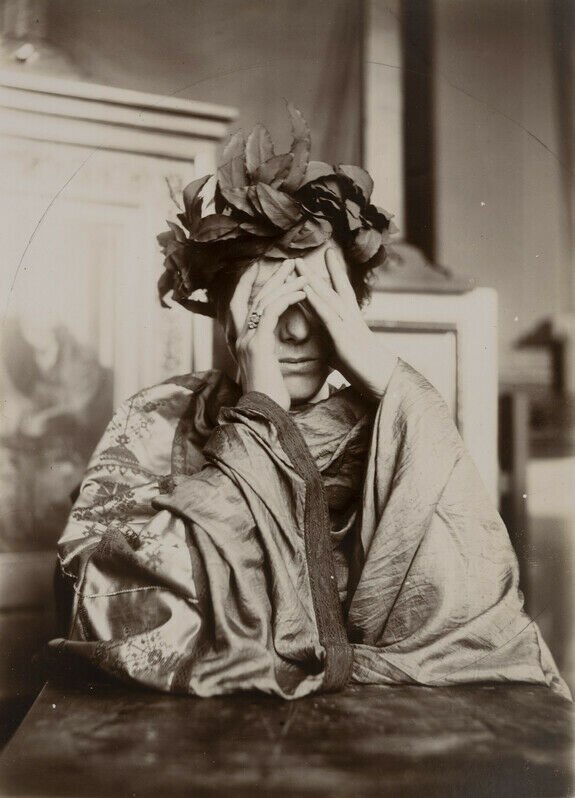
A new exhibition at FOMU promises a rare glimpse into the first 60 years of Belgian photography, including previously unseen photographs, prints and archival material from the 19th century – many of which have never been publicly exhibited. This includes original cameras, along with extensive information on early photographic techniques, its technological birth and the debates surrounding the medium. The exhibition also confronts the darker side of Belgium’s 19th-century ambitions, including photographs taken in colonial contexts, such as those associated with the 1897 World’s Fair at Cinquantenaire Park in Brussels. Highlights range from the pioneering work of Belgium’s first female amateur photographer, Louise Le Ghait, to early crime scene photographs by the well-known Ghent portraitist Charles D’Hoy. A packed, assertive show illustrates that, from its very start, photography was not a neutral registration of reality but a powerful instrument that helped shape the story of the ruling class.
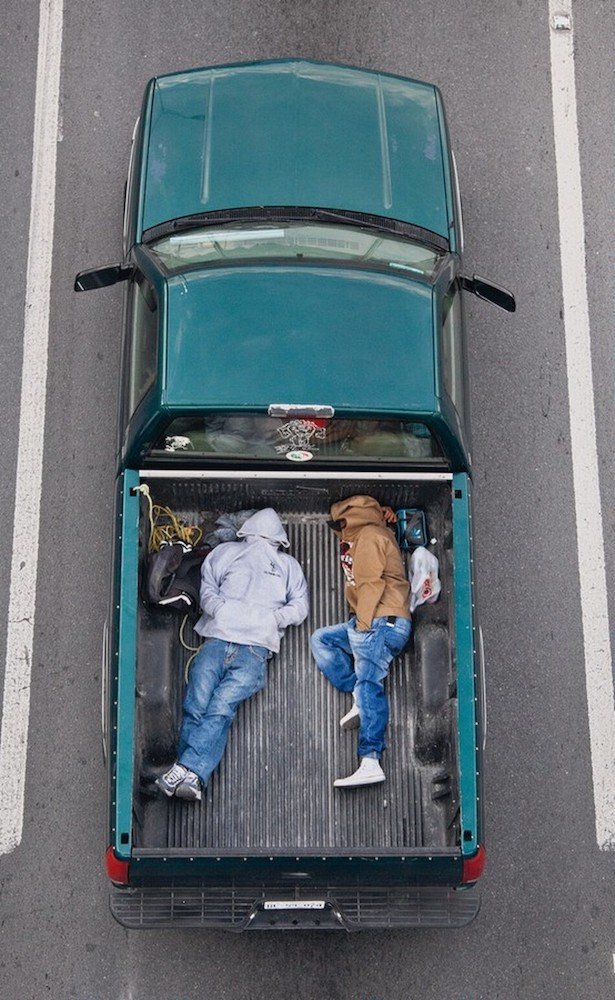
Alejandro Cartagena, Ground Rules – SFMOMA, San Francisco
22 November – 19 April
SFMOMA presents the first major retrospective of the celebrated photographer Alejandro Cartagena, including work from his seminal large-scale project Identidad Nuevo León (2005) where he portrayed hundreds of people from 25 municipalities, through to his latest video series We Are Things (2025). A meticulous researcher and, in a sense, an urban archaeologist, Cartagena has described how his walks through various landscapes, in ‘an attempt to understand Mexico,’ become inseparable from the photographs themselves, while also reflecting that ‘you’re never from here, yet you’re here.’ On display are more than 20 of his series, including documentary images, collages, vernacular photographs, and AI-generated videos, revealing the richness and diversity of Cartagena’s practice. Ground Rules coincides with the release of a fully bilingual (English/Spanish) monograph of the same title, published by Aperture, which compiles, contextualises and reflects on this comprehensive study.
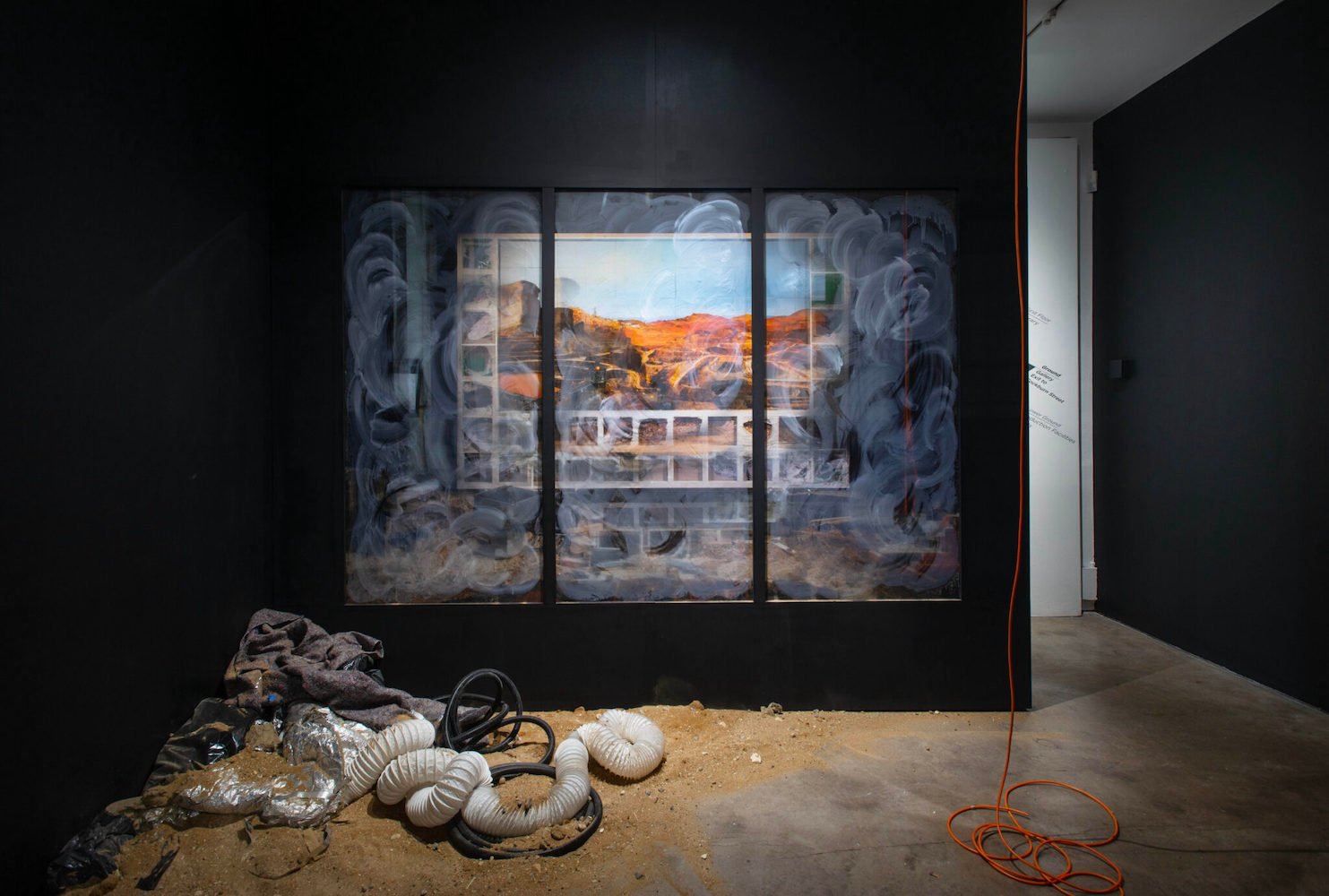
Felicity Hammond, V4: Repository / Variations – Stills, Edinburgh
7 November – 26 February
V4: Repository is the culmination of Felicity Hammond’s Variations, a project exploring the overlaps between geological mining, data mining and the ways image-making engages with machine learning. This final chapter follows Model Collapse at The Photographers’ Gallery, London; Rigged at QUAD, Derby, presented during FORMAT International Photography Festival; and Content Aware, originally experienced as a public installation during Photoworks Weekender, Brighton, 2024. In many ways, a truly unique project – something that could only hsve emerged in our time, in the advent of artificial intelligence, and thus engaging the politics of surveillance, data extraction and the exploitation of land, resources and labour. If the fourth and final variation considers how hidden processes of extraction are stored, then Stills provides a fitting venue: as it approaches its 50th anniversary, the institution, in its own words, turns attention toward its archive.♦
–1000 Words
Images:
1-Guido Guidi, Ronta, 2023
2-Lisette Model, Lower East Side, New York City, 1940-1947. Courtesy baudoin lebon, Paris and Keitelman Gallery, Brussels
3-Philip Montgomery, George Floyd Memorial II, Minneapolis, June 2020; from the series American Mirror
4-Paul Mpagi Sepuya, Darkroom Mirror (_2070386), 2017
5-Lebohang Kganye, Beneath the Deep
6-Batia Suter & Zoe A. Keller, The Eranos Archive. Laboratory of the Anarchetypal, 2023-ongoing
7-Helen Chadwick, In the Kitchen (Washing Machine), 1977 © Helen Chadwick. Courtesy Richard Saltoun Gallery, London, Rome and New York and Sprüth Magers
8-Fernand Khnopff, Portrait of Marguerite Khnopff, ca. 1890. Courtesy FOMU
9-Alejandro Cartagena, Carpooler #8, 2011
10-Felicity Hammond, V4: Repository; from the series Variations, 2025
1000 Words favourites
• Renée Mussai on exhibitions as sites of dialogue, critique and activism
• Roxana Marcoci navigates curatorial practice in the digital age
• Tanvi Mishra reviews Felipe Romero Beltrán’s Dialect
• Discover London’s top five photography galleries
• Tim Clark in conversation with Hayward Gallery’s Ralph Rugoff on Hiroshi Sugimoto
• Academic rigour and essayistic freedom as told by Taous Dahmani
• Shana Lopes reviews Agnieszka Sosnowska’s För
• Valentina Abenavoli discusses photobooks and community
• Michael Grieve considers Ute Mahler and Werner Mahler’s posthumous collaboration with their late family member
• Elisa Medde on Taysir Batniji’s images of glitched video calls from Gaza
Join us on Patreon today and be part of shaping the future of photographic discourse


